
September 2, 2026
The Ultimate Guide to Custom Sheet Metal Carts and Trolleys
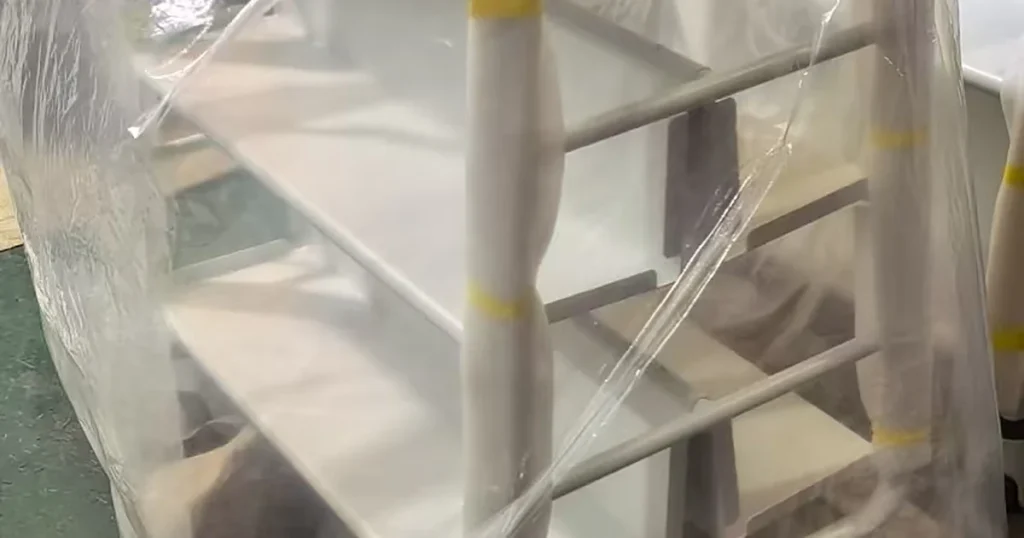
What makes a sheet metal cart custom?
A custom sheet metal cart is designed around a real cargo and working route rather than selected only from a catalogue photo. The useful starting points are the heaviest load, cargo footprint, floor, aisle width, operator movement, storage method, environment and shipping plan. These inputs decide whether the project needs a platform trolley, shelf cart, cage trolley, tool cart, library cart, studio cart or a special welded frame.
Customization does not always mean changing every part. It can mean changing the deck size, shelf pitch, mesh opening, handle height, caster layout, brake position, finish, logo plate or packing method while keeping a proven basic structure. A good RFQ separates what must be fixed from what can be optimized for cost and manufacturing repeatability.
Anatomy of a custom metal trolley
The frame carries the load into the caster plates and wheels. The platform, shelves or cage control how goods are loaded and retained. Handles affect pushing angle and operator comfort. Casters determine rolling resistance, noise, floor protection, turning and parking. Surface treatment protects the metal and sets the appearance. Hardware, labels and packing complete the product for the destination market.
Small details can create large problems. A caster plate that is not flat can make one wheel carry too much load. A shelf lip that is too low may let cartons or books slide. A hinge with no finish clearance may bind after coating. A tall tool cart with heavy drawers stored high can feel unstable. These are design-review questions, not just production questions.
The six core trolley families
- Platform trolleys: open decks for bulky or heavy goods, tooling and factory movement.
- Warehouse trolleys: shelves, bins or platforms for picking, replenishment and stock transfer.
- Cage trolleys: mesh or roll-cage structures for containment and visibility.
- Tool trolleys: drawers, trays, pegboards and locks for workshops and maintenance.
- Library book trolleys: quiet, stable shelves for books, files and archives.
- Film and TV trolleys: organized shelves, guards, hooks and protection for production equipment.
See the complete custom trolley product guide for the selection matrix and link to each detailed product page.
Material, finish and caster decisions
Carbon steel is often selected for industrial frames when strength and cost are important. Stainless steel may be considered for corrosion-sensitive or easy-clean environments. Aluminum can reduce weight in selected designs, but the structure still needs a load and impact review. Mesh, tube and sheet can be combined when the trolley needs both containment and a rigid load path.
Powder coating is common for indoor steel carts and allows color or texture control. Zinc plating and galvanizing can be considered for selected steel parts and humid or outdoor exposure. Brushing, polishing or anodizing may suit visible stainless or aluminum components. The finish should be specified together with cleaning method, corrosion exposure, masking zones and packing protection. Learn more in the trolley surface treatment guide.
Casters should be chosen from the route backward. PU wheels often suit smooth indoor floors; rubber can reduce noise and protect floors; nylon can suit hard surfaces and selected heavy-load uses; pneumatic wheels may help on rougher ground. Fixed and swivel layouts change straight-line control and turning. Brakes matter when the cart is loaded, parked on a slope or used as a mobile workstation.
Manufacturing route and quality gates
A typical project may combine laser-cut decks and brackets, CNC-bent shelves or trays, tube cutting and bending, welding, surface treatment, caster installation, assembly and export packing. The manufacturing process hub explains how each stage affects the finished trolley.
Useful quality gates include material and thickness confirmation, first-piece checks, critical hole and bend measurements, frame diagonal and squareness checks, caster and brake function, shelf or drawer fit, finish inspection, accessory count and packing review. For repeat orders, the approved drawing revision, wheel model, finish reference, labels and packing method should remain controlled.
Specification ranges a real trolley project usually sits in
Buyers often ask for “the heaviest specification available” without knowing what normal looks like. On the trolley and cart projects we handle, the ranges below cover most of the work, chosen per project rather than copied from a catalogue:
- Frame tube: roughly 20 to 50 mm outside diameter
- Wall thickness: roughly 1.2 to 3.0 mm depending on span, load and impact
- Deck and shelf plate: roughly 0.8 to 3.0 mm
- Caster diameter: roughly 75 to 200 mm, chosen from floor condition and pushing effort
Two carts with the same load rating can sit at opposite ends of those ranges, because a pallet resting flat on a deck is a very different problem from a stack of castings landing on four feet. See the tube and wall thickness guide for how those numbers are chosen.
What actually drives the unit price, in order
- Quantity. Setup, fixturing and finish changeovers are fixed costs; they divide differently at 15 units than at 300.
- Finish. Powder coating is economical at volume; unusual colours, stainless construction or galvanizing each add their own cost.
- Caster specification. Wheel diameter, tread, bearing quality and brake type can move the price more than structural changes.
- Structural complexity. Cages, drawers, folded trays and fixtures cost more in labour than in material.
- Packing. Individual cartons, crates and protective separation are real costs that protect real value.
- Documentation. Inspection reports and certificates are small line items when planned, and expensive when added late.
That order is also the order to negotiate in. Cutting wheel specification or packing usually costs more than it saves.
From first sketch to repeat order
A custom cart programme has six stages, and skipping one of them is where most disappointment comes from:
- Requirement: load, route, floor, storage method, environment, quantity and packing
- Engineering review: drawing or sketch reviewed for manufacturability, with suggested changes before quoting
- Quotation: specification, packing, lead time and terms all stated in writing
- First article: one unit built with production tooling, tested on the real route – see the first article guide
- Batch production: built against the approved drawing, with inspection at the agreed gates
- Repeat: drawings and jigs held on file so the next order matches the first one
Programmes that follow this sequence rarely have surprises. Programmes that skip the first article usually rediscover the same issue on every reorder, with less time to fix it.
What to send for quotation
Send a drawing when available, but a photo or sample can also start the discussion. Include overall size, usable deck or shelf size, maximum and typical load, cargo dimensions, floor condition, route distance, wheel and brake preference, material, finish, quantity, destination country and packing requirement. If your purchasing team needs inspection reports, material records or supplier questionnaires, send the format early.
Start an RFQ for a custom metal trolley or contact the team at gao@doingmetal.com with your reference files.
Related: when a shared trolley platform pays off.
Have a Similar Trolley Project? Send It for Review
Send your trolley type, load capacity, size, wheel requirement, quantity, and drawings or reference photos. Our team will review the structure and reply within 24 hours on business days.
Urgent project? Email gao@doingmetal.com or WhatsApp +86 18158549983.