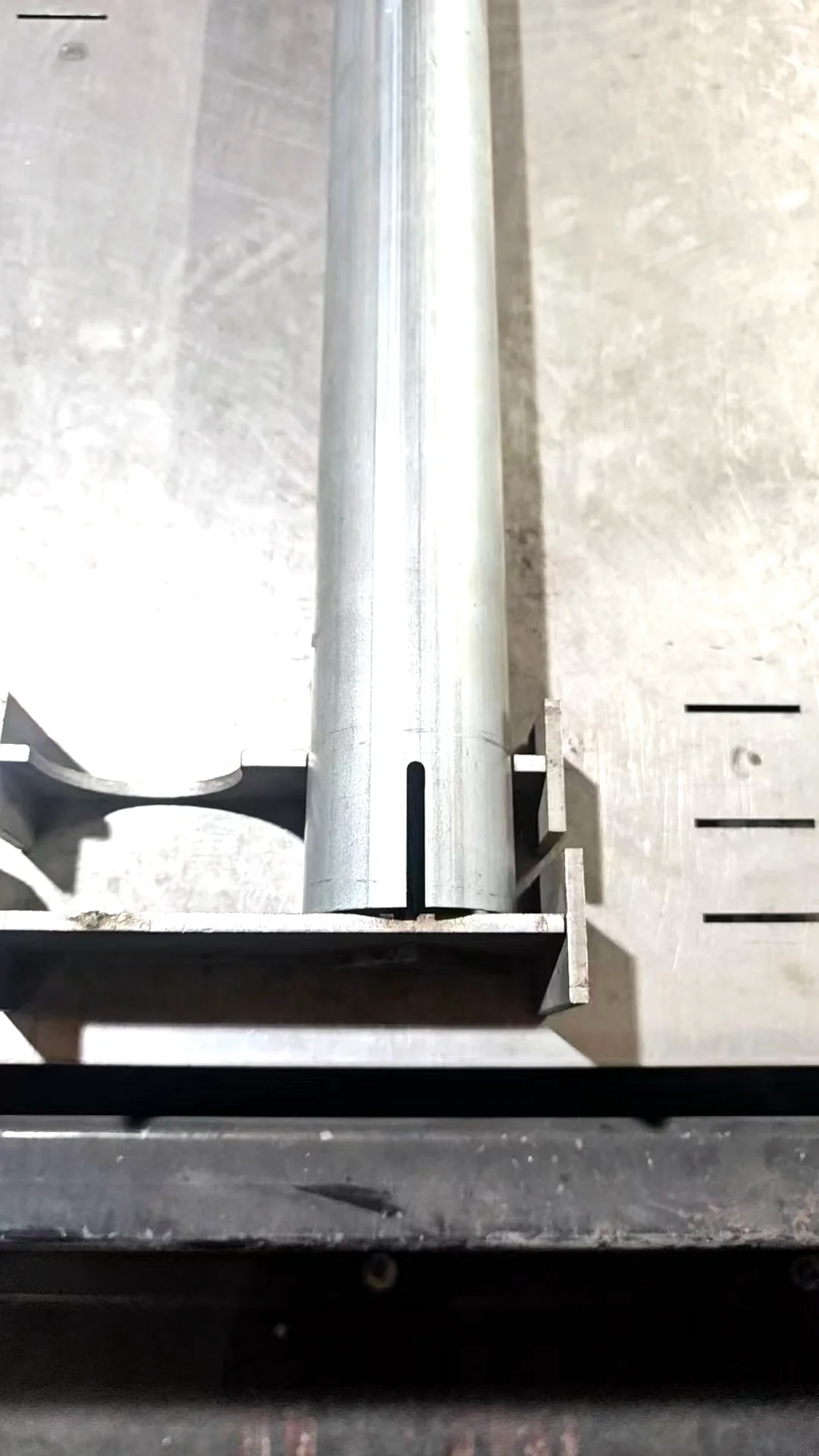
Fixtures hold the frame while it is welded, so caster plate spacing and handle position repeat across the batch.
 DoingMetal
Quality Control
Every trolley we build is made to a drawing, so quality control means proving the drawing was followed — batch after batch. Below is what is actually measured, which evidence exists in the workshop, and what you can specify so the checks match your own approval process.
Evidence From The Workshop
These are working photographs from the Ningbo workshop, not stock images. They show the four things that decide whether a custom trolley arrives usable: controlled welding dimensions, calibrated measurement, checked geometry and a documented outgoing result.
Fixtures hold the frame while it is welded, so caster plate spacing and handle position repeat across the batch.
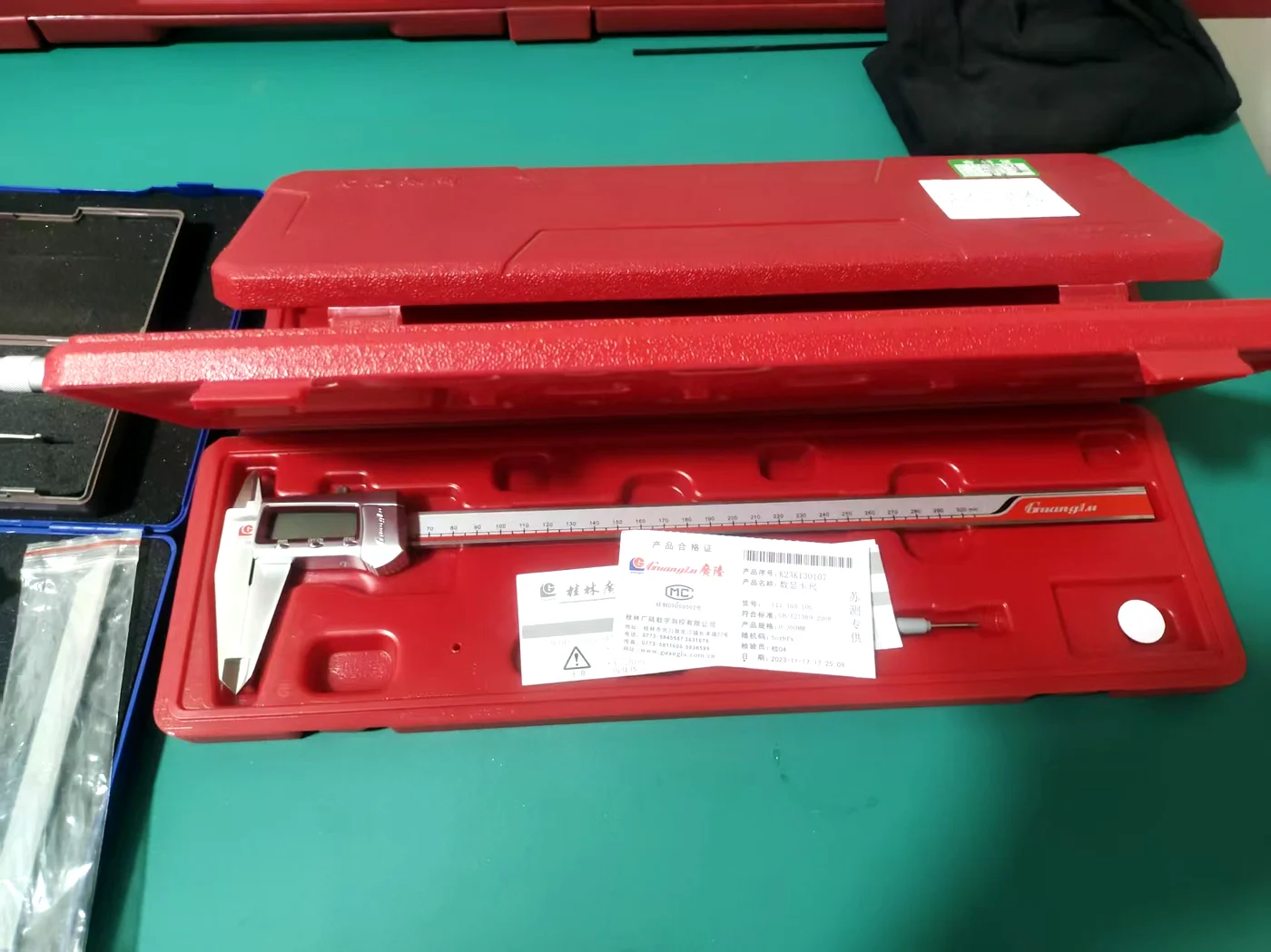
Calibrated calipers for the dimensions you marked critical to function — not a random walk around the drawing.
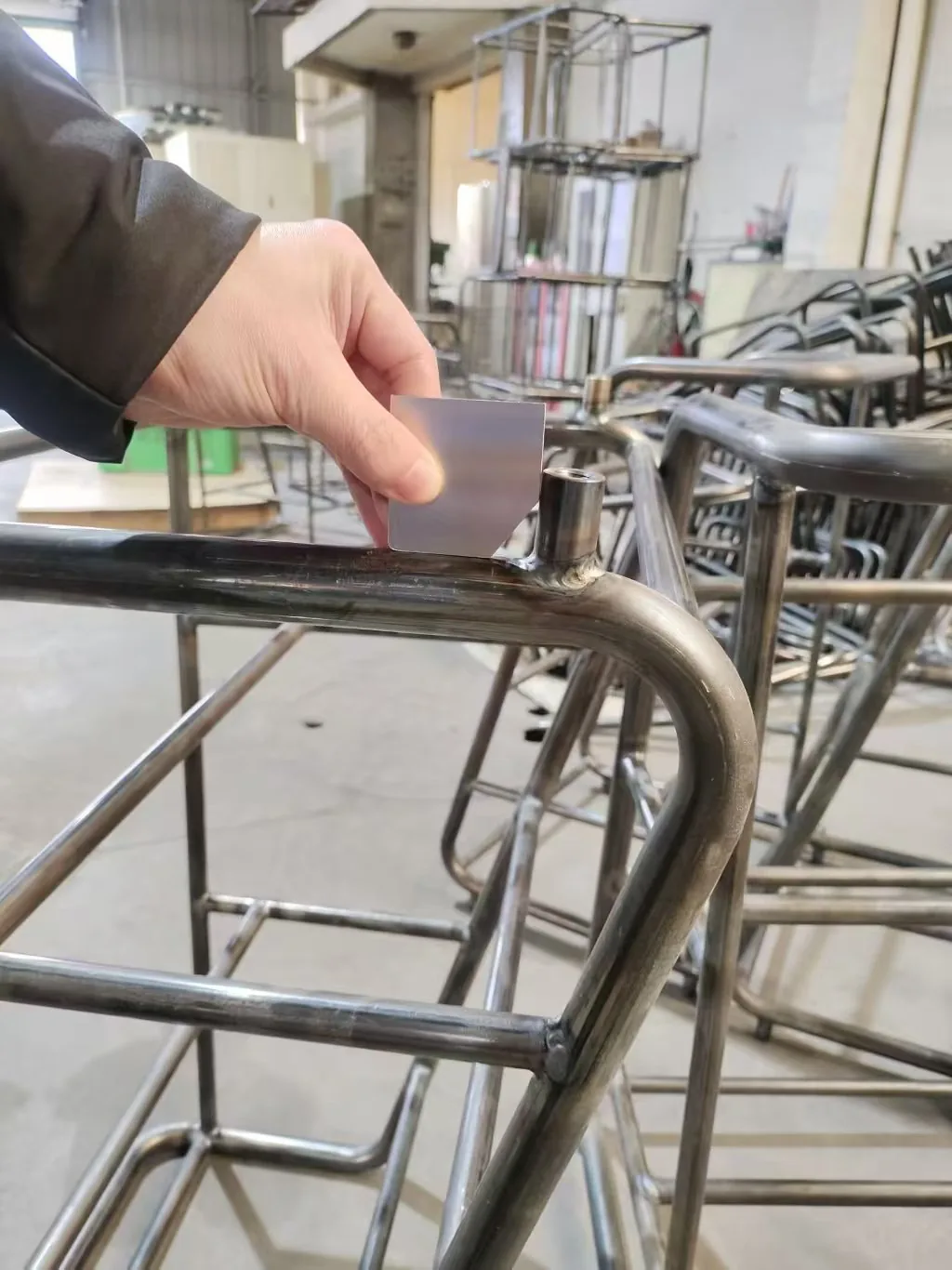
Angle and squareness are checked against a template before the frame leaves welding.
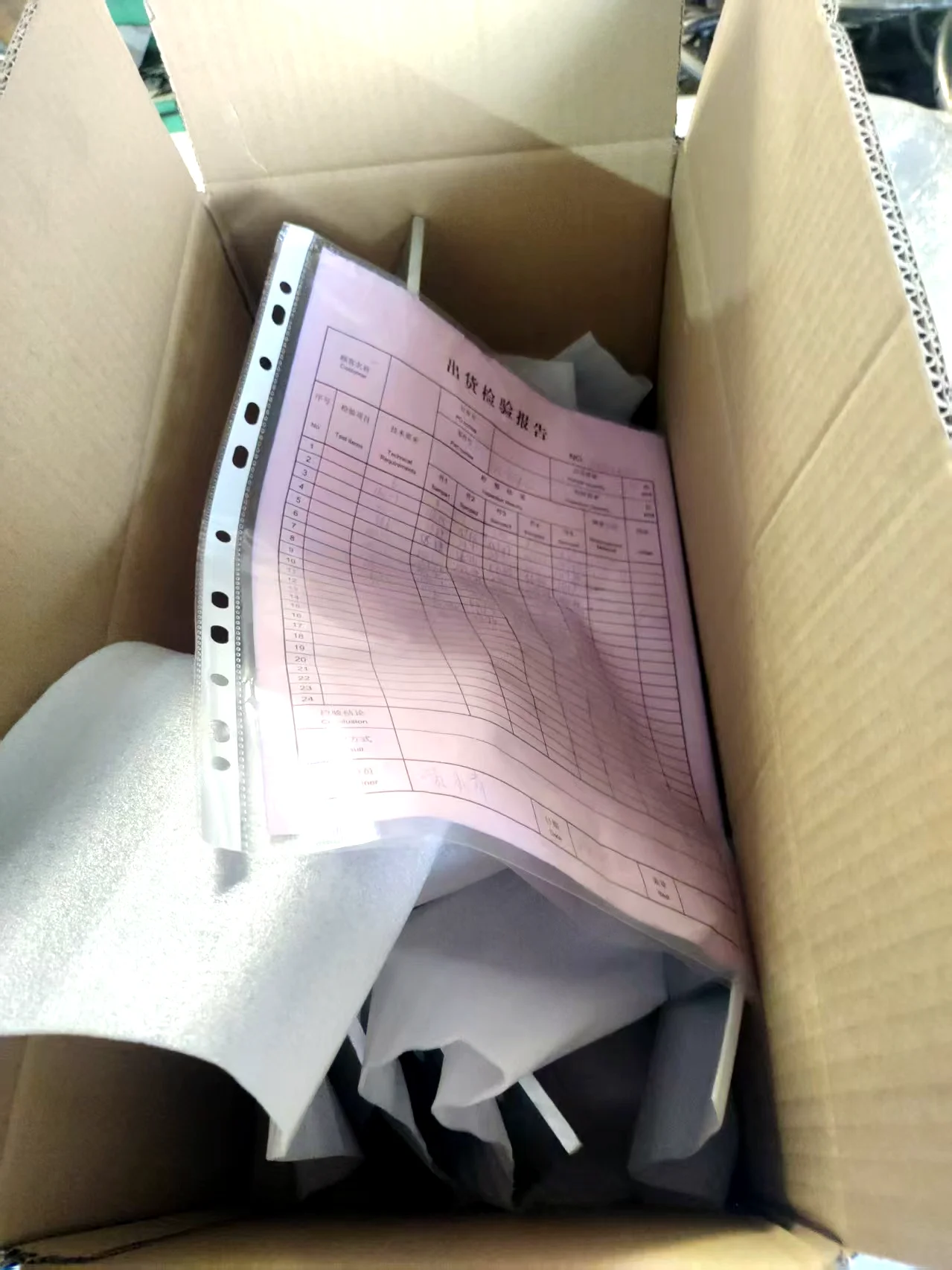
An outgoing report ties the measurements to your drawing revision and order number.
Five Gates
A single final inspection cannot fix a frame that was Welded out of square. Quality is placed at five points in the build, and each gate produces evidence you can request.
| Gate | What is checked | Evidence you can request |
|---|---|---|
| Material receiving | Material grade, sheet thickness, tube wall thickness and coating or plating condition. | Material certificate or mill certificate when your purchasing policy requires it. |
| First article | Overall size, critical-to-function dimensions, wheel plate spacing, brake function, rolling and finish. | First-article photos or a measured report before the batch is released. |
| In process | Cut dimensions before batch cutting, first-piece bend angle, weld fit-up and frame squareness. | The stage you choose to witness, remotely or on site. |
| Before assembly | Deburring, hole-to-hole spacing for casters and brackets, accessory positions and label artwork. | Assembly check on one unit from the batch, packed the same way you will receive it. |
| Before shipment | Quantity, colour and finish consistency, packing method, pallet stacking, markings and carton condition. | Outgoing inspection report and packing photos before the container is loaded. |
Repeatability
A sample trolley that rolls nicely is easy. A batch that all roll the same way, take the same wheel, accept the same shelf and survive the same container is the real deliverable. Repeatability is built from fixtures, released drawings and a frozen bill of materials.
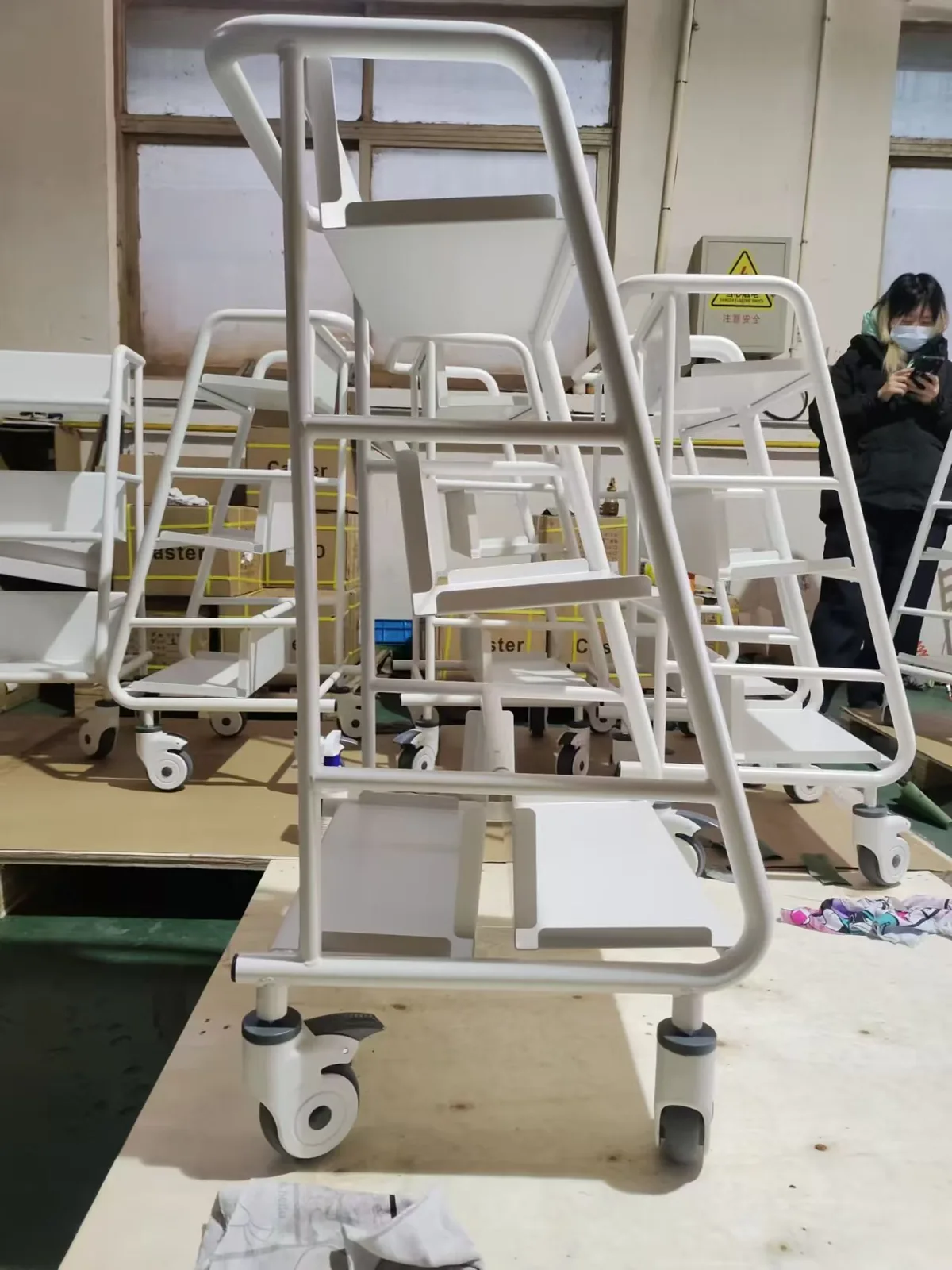
Batch staging — a complete order is checked as a batch, not as loose units.
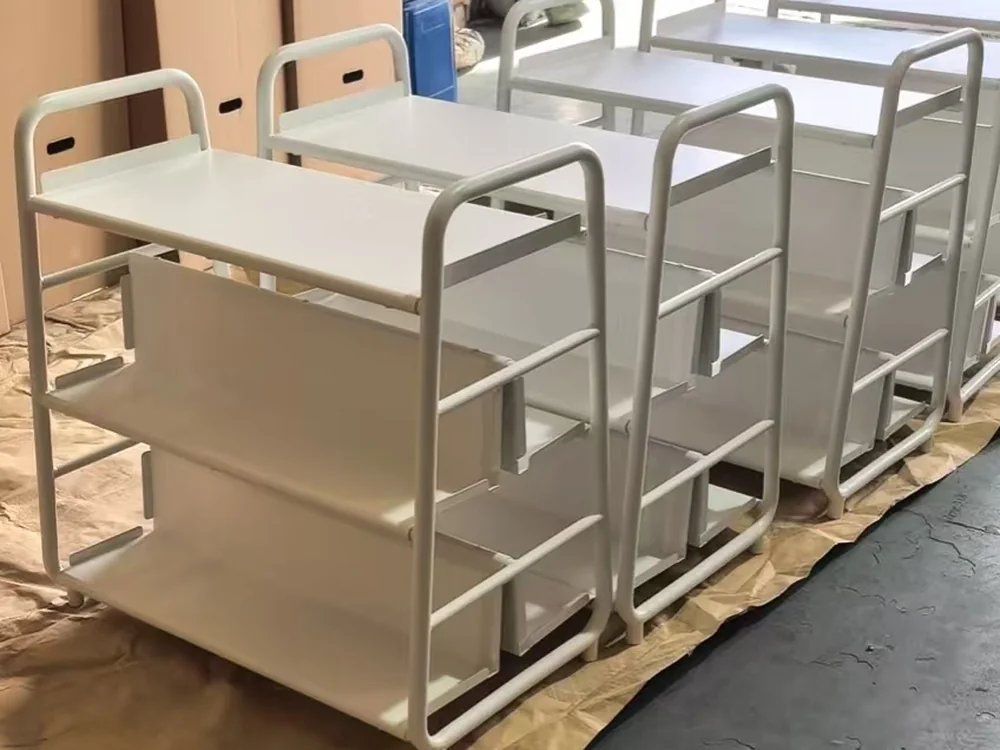
Repeat batch built to the released drawing, fixtures and wheel specification.
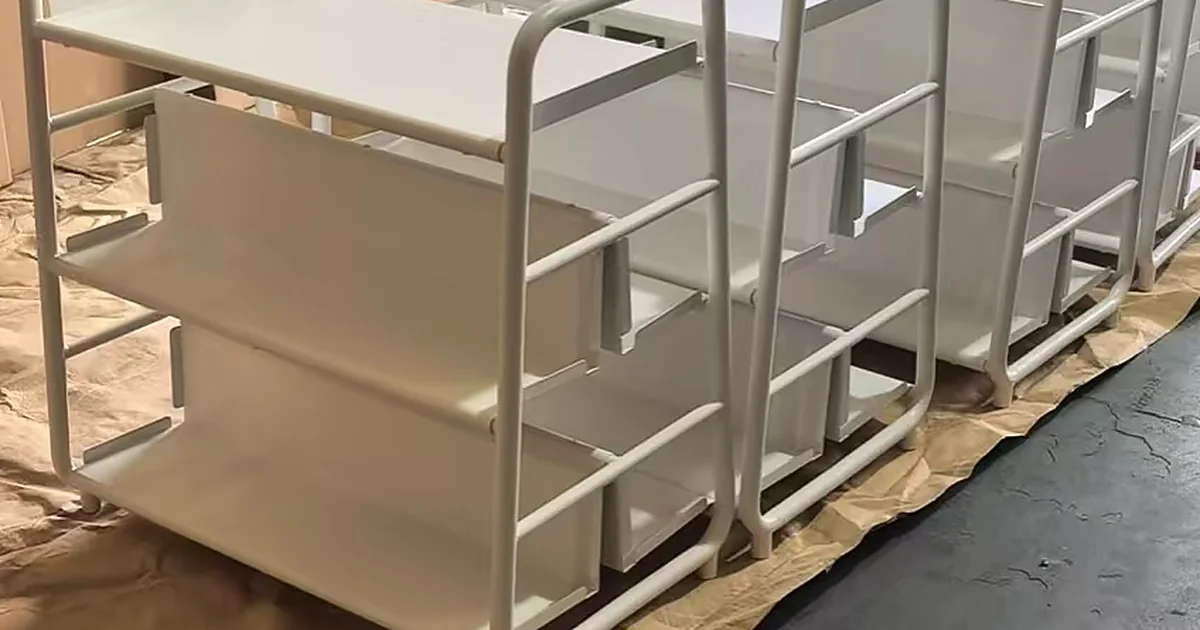
Fleet consistency is what a multi-site buyer actually receives.
Packing Is Quality Too
Scratched uprights, bent handles and rubbed coating usually come from how the trolley sits against another trolley for four weeks at sea. Packing method is agreed with the drawing, then treated as an inspection item before loading.
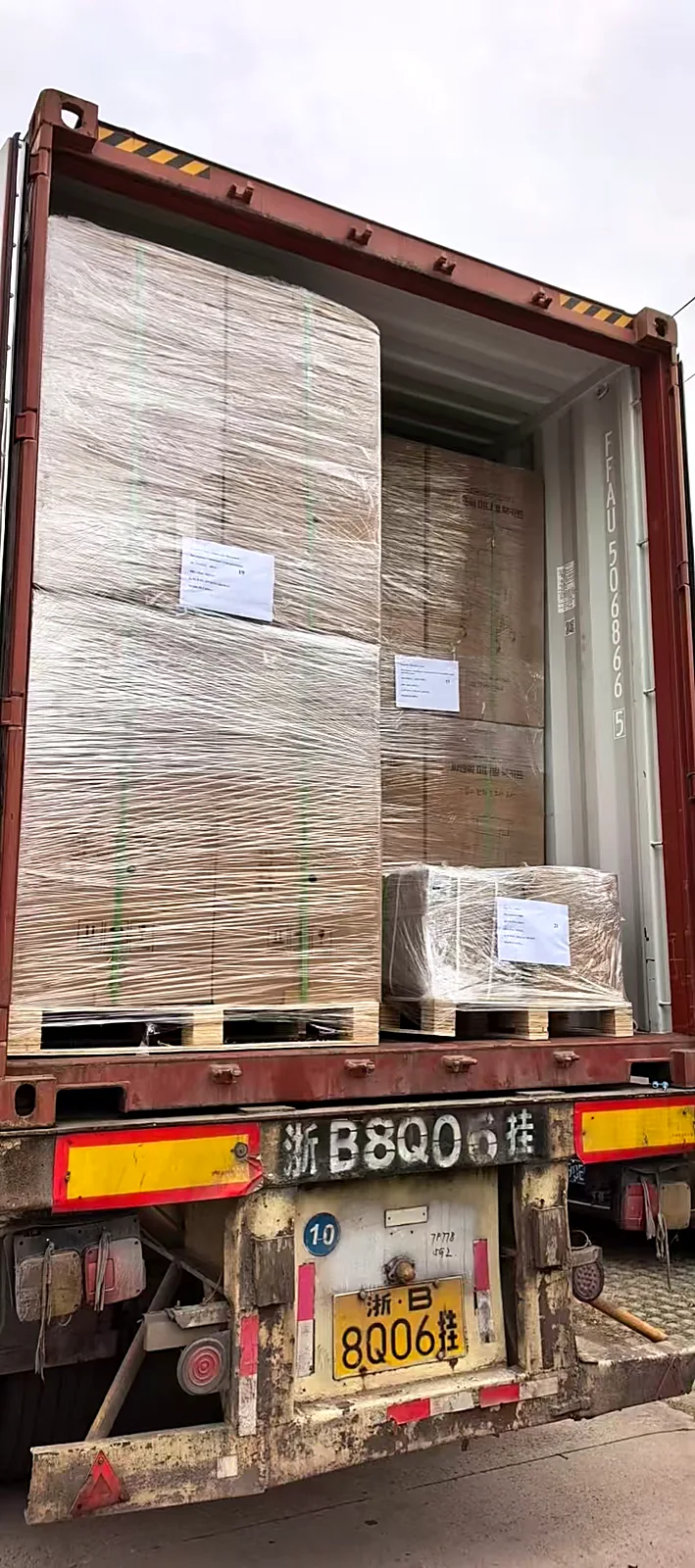
Export packing is planned for the route, not improvised at the dock.
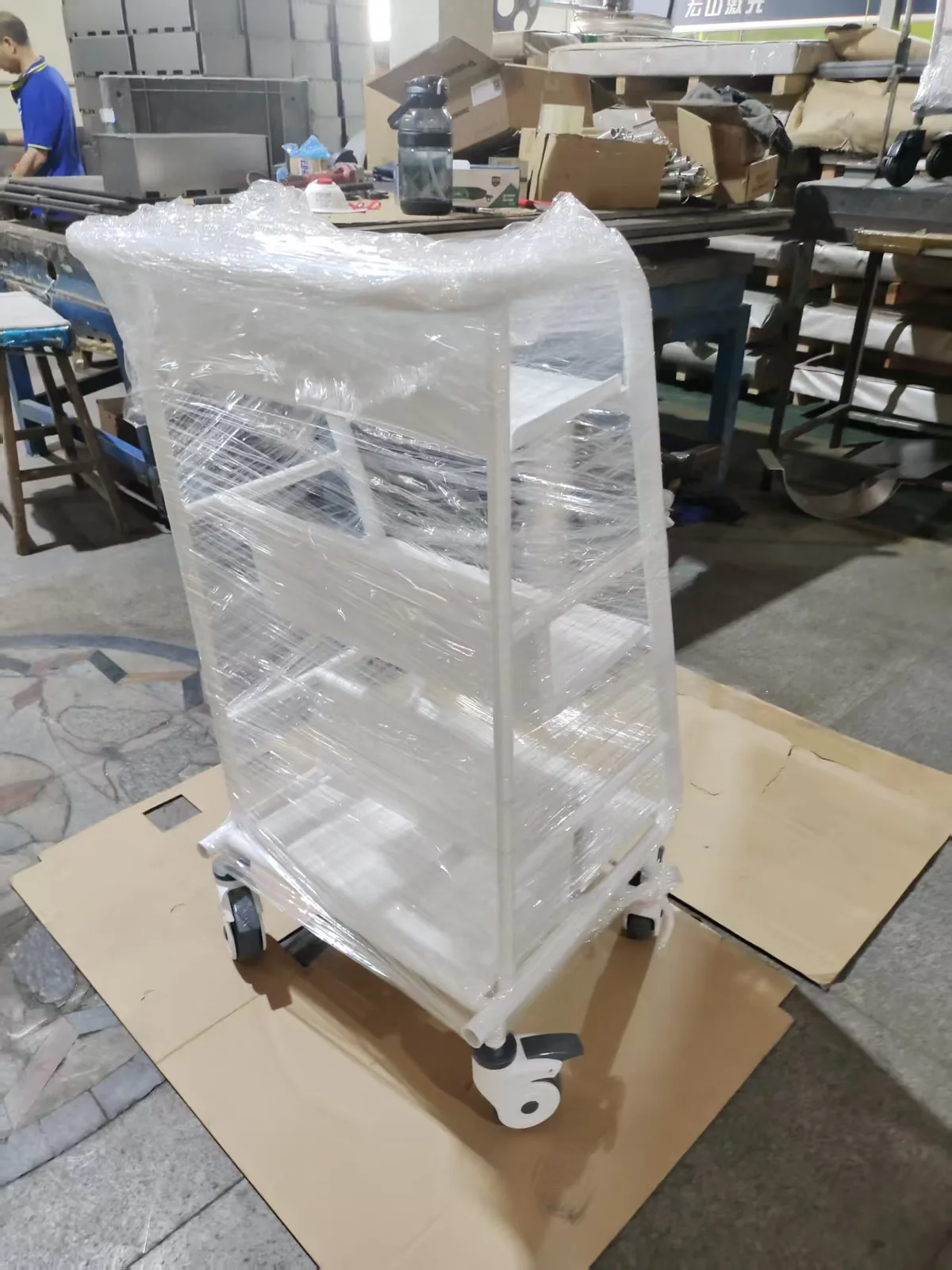
Knock-down units are protected against frame finish rubbing during transit.
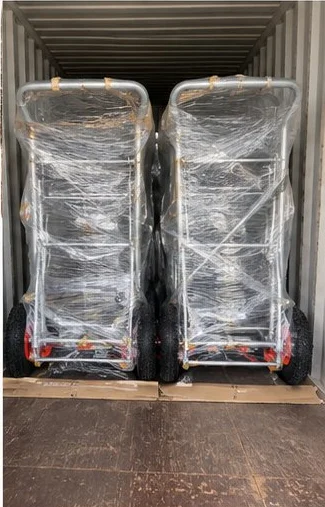
Container loading — stacking pattern and dunnage agreed before booking.
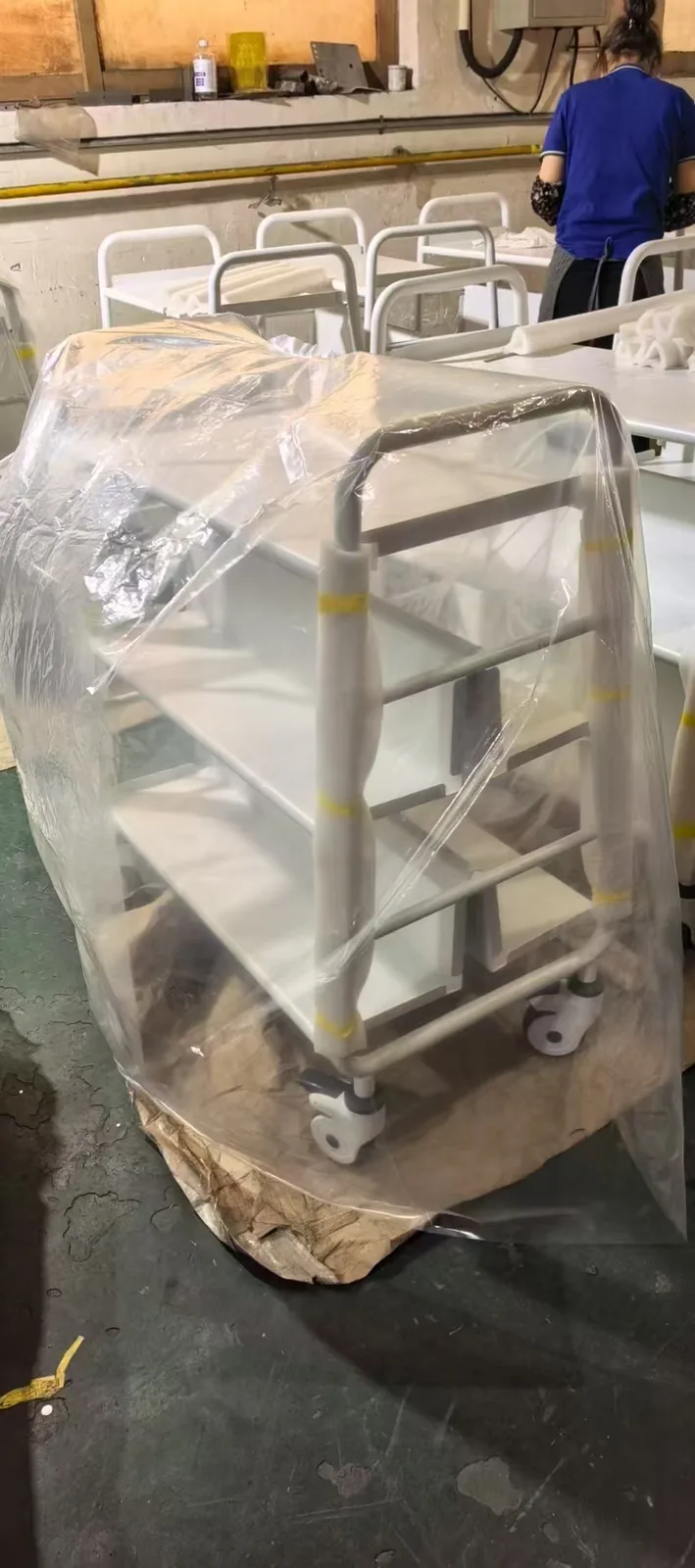
Palletised and wrapped so the last leg does not undo the first.
Specify It Up Front
Inspection is cheapest when it is defined at the drawing stage. These six lines turn "please check quality" into something a factory can actually execute and a buyer can actually verify.
Quality Questions
Yes, and it usually works better than a generic report. Send your form before production starts and we will map each line to the drawing, the process stage and the record that supports it.
Buyer-nominated inspection can be accommodated. Tell us early which stage you want witnessed — pre-production, during production or final random inspection — so production planning leaves room for it.
Rather than publish numbers that may be out of date, send your supplier questionnaire. Available company and compliance documents are separated from project-specific evidence and confirmed after internal verification.
The released drawing revision, jig and fixture setup, approved wheel model, finish reference, label artwork and packing version are kept together as one specification. A change to any of them is confirmed with you before it enters production.
The check points and acceptance limits are agreed before production begins. If something falls outside that agreement, you get the measurement, the likely cause and the corrective route before shipment, not after.
Start a Project
Send the drawing, the dimensions you consider critical, the wheel or load requirement and the inspection format you use. If your company has a supplier questionnaire or an AQL policy, attach it and the review starts from your own standard.
Send your trolley type, load capacity, size, wheel requirement, quantity, and drawings or reference photos. Our team will review the structure and reply within 24 hours on business days.
Urgent project? Email gao@doingmetal.com or WhatsApp +86 18158549983.