Facility maintenance
Operational need: Technicians move tools and consumables across long routes.
Trolley design: Use tool carts with drawers, shelves, hooks and quiet or durable wheels.
 DoingMetal
Construction & Maintenance Trolleys
Construction and maintenance teams move tools, consumables, repair kits, spare parts and heavy components across workshops, facilities and job sites. The trolley must handle impact, rougher floors, organized tool access and safe parking.
Application Thinking
A maintenance trolley is often a mobile toolbox, parts shelf and work surface at the same time. The layout should match the team, route and repair task: drawers, trays, hooks, pegboard, side rails, lockable storage and brake casters.
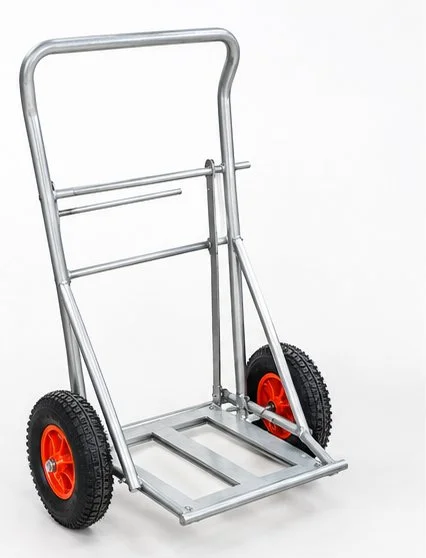
For construction or facility use, impact resistance, wheel size, powder coating, galvanized parts and replaceable casters are important. If the cart goes over thresholds or rough ground, caster choice becomes a major design item.
Workflow Map
Each application page is written from the buyer's working route first, then converted into a trolley structure and RFQ checklist.
Operational need: Technicians move tools and consumables across long routes.
Trolley design: Use tool carts with drawers, shelves, hooks and quiet or durable wheels.
Operational need: Materials and tools move through unfinished spaces and rougher floors.
Trolley design: Use reinforced platform carts or utility carts with larger wheels and side rails.
Operational need: Heavy parts and tools must stay close to the repair point.
Trolley design: Use low, strong trolleys with brakes and organized storage.
Operational need: Fasteners, hardware and consumables need movable storage.
Trolley design: Use shelf carts, bin carts or cage trolleys with labels and protective finish.
Buyer Pain Points
Drawers, hooks, pegboard and label areas help keep tool sets complete and visible.
Wheel diameter and material should match thresholds, debris, floor joints and route distance.
Brakes are important when the trolley is used as a temporary work surface.
Shelf liners, thicker decks or replaceable surfaces can protect the cart and cargo.
Lockable drawers or cabinets help control tools in shared work areas.
Reinforced corners, bumpers and strong powder coating can improve daily durability.
Recommended Structures
Drawers, locks, hooks, pegboard and brakes for repair teams.
View related trolleyFor site materials, boxes and heavy components with reinforced deck and wheels.
View related trolleyFor consumables, spare parts and mobile work supplies.
View related trolleyFor loose site supplies or staged materials that need containment.
View related trolleyEngineering Details
| Design point | What buyers should confirm |
|---|---|
| Tool organization | Define drawers, hooks, trays, pegboard, bins, labels and lockable zones. |
| Wheel route | Confirm thresholds, rough floors, ramps, debris and route distance. |
| Load type | Separate distributed loads from point loads, sharp parts or heavy components. |
| Working stability | Brake casters, lower shelves and wider stance can improve stability. |
| Surface durability | Powder coating, galvanized parts or thicker contact surfaces may be needed. |
| Security | Lock systems and drawer design should match the tool value and shared-use environment. |
Manufacturing Route
Doing Metal connects trolley design with sheet metal fabrication, tube work, welding, surface treatment, assembly and inspection.
Review tools, parts, site route and storage requirement.
Decide drawers, shelves, pegboard, hooks and lock points.
Cut, bend and weld frame, shelves, guards and brackets.
Fit wheels and brakes for the route and working stability.
Apply selected finish and protect the trolley for shipment.
RFQ Preparation
Send the details below together with drawings, sketches, photos, existing cart references or samples. The more real workflow information you provide, the more useful the quotation will be.
Buyer FAQ
Yes. Drawer size, load, slide type and lock position should be confirmed.
Larger rubber or pneumatic wheels are often considered for rougher routes. The final choice depends on load and ground condition.
Yes, but stability, brake layout and top surface strength should be designed for that use.
Yes. Send the tool list and preferred arrangement so the storage layout can be planned.
Related Capability Pages
Send your trolley type, load capacity, size, wheel requirement, quantity, and drawings or reference photos. Our team will review the structure and reply within 24 hours on business days.
Urgent project? Email gao@doingmetal.com or WhatsApp +86 18158549983.