Camera department
Operational need: Cameras, lenses, monitors, cases and accessories must stay protected and ready.
Trolley design: Use shelves, rails, padded zones, case-sized spaces and brake casters.
 DoingMetal
Film & TV Production Trolleys
Film and TV production carts are mobile equipment bases. They carry cameras, monitors, lenses, lights, batteries, cables, audio gear, cases and tools through studios, sets, venues and outdoor locations where fast access and equipment protection are critical.
Application Thinking
A production cart may need shelves for cases, hooks for cables, rails for stands, spaces for battery boxes, smooth quiet wheels for studio floors and brakes for safe parking during setup. The layout should follow the real equipment list.
Custom metal fabrication is useful when off-the-shelf carts do not match case sizes, monitor height, cable volume, handle direction or brand style. Doing Metal can adjust frame size, shelf spacing, guard rails, dividers, hooks, finish and packing for OEM or project-based orders.
Workflow Map
Each application page is written from the buyer's working route first, then converted into a trolley structure and RFQ checklist.
Operational need: Cameras, lenses, monitors, cases and accessories must stay protected and ready.
Trolley design: Use shelves, rails, padded zones, case-sized spaces and brake casters.
Operational need: Stands, cables, clamps and fixtures are long, heavy or awkward.
Trolley design: Use reinforced frames, side rails, hooks and upright storage areas.
Operational need: Audio bags, recorders, microphones and batteries need organized, quick access.
Trolley design: Use multi-level carts with cable hooks, small trays and protected equipment areas.
Operational need: The cart must move quietly and park safely during setup.
Trolley design: Use smooth wheels, brakes, floor-safe materials and compact turning radius.
Buyer Pain Points
Cameras, lenses, monitors and audio devices need stable shelves, guarded edges and controlled contact points.
Cable hooks, reels, dividers and labeled zones help crews find the right item quickly.
Wheel material and bearing quality affect noise and floor protection.
Mixed indoor/outdoor routes may need larger wheels, stronger frame design and weather-aware finish choices.
Case dimensions, monitor sizes and battery boxes should determine shelf spacing.
Powder coating color, logo plate and clean weld finishing make carts suitable for professional production teams.
Recommended Structures
Shelves sized for cases, monitors and accessories with stable parking and protective rails.
View related trolleyReinforced frame with rails, hooks and long-item storage for stands, clamps and fixtures.
View related trolleyCustom hooks, trays, dividers and low heavy-load placement to keep movement stable.
View related trolleyA rolling work surface with storage zones, brakes and custom accessory positions.
View related trolleyEngineering Details
| Design point | What buyers should confirm |
|---|---|
| Equipment list | Case size, monitor size, cable quantity, battery boxes, stands and fragile equipment decide the layout. |
| Protection | Rails, lips, dividers, padded areas and rounded edges help reduce impact and sliding. |
| Wheels | Studio use may prioritize quiet wheels; outdoor mixed routes may need larger rubber or pneumatic wheels. |
| Brakes | Brake casters are important when crews load equipment or use the cart as a work surface. |
| Finish | Powder coating, black finish, logo plates and surface texture can be specified for professional appearance. |
| Packing | Foldable or knock-down structures can reduce shipping size but must keep the cart rigid after assembly. |
Manufacturing Route
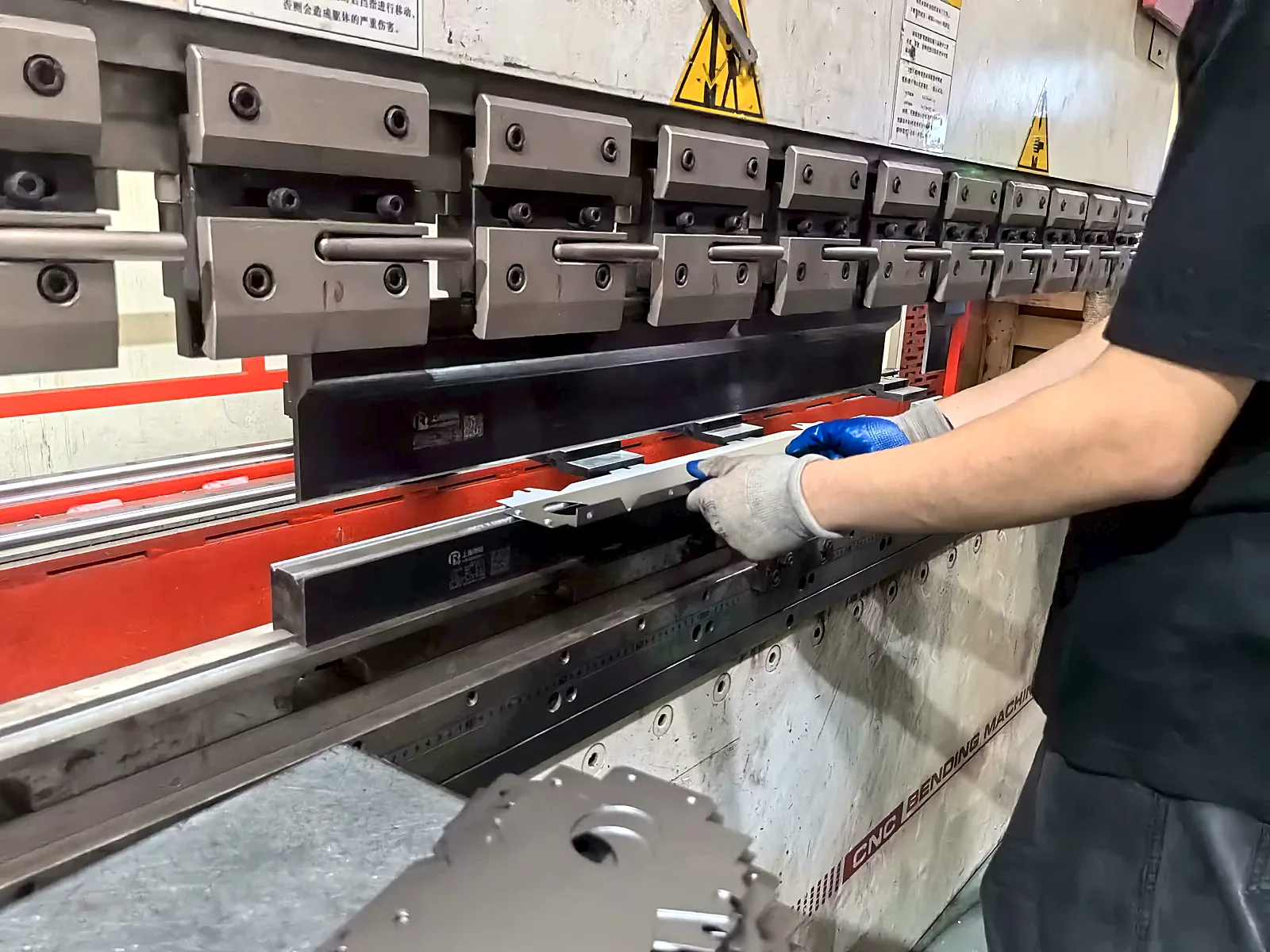
Doing Metal connects trolley design with sheet metal fabrication, tube work, welding, surface treatment, assembly and inspection.
List all equipment and mark fragile, heavy and frequently used items.
Define shelves, hooks, rails, dividers, battery zones and handle direction.
Cut, bend and weld the frame, shelves and accessory brackets.
Fit wheels, brakes, handles and protective details.
Check appearance, stability and shipment protection before delivery.
RFQ Preparation
Send the details below together with drawings, sketches, photos, existing cart references or samples. The more real workflow information you provide, the more useful the quotation will be.
Buyer FAQ
Yes for early discussion. Dimensions and weights are still needed before final quotation and sample production.
Yes. Hooks, rails, dividers, trays and holders can be designed around the real equipment list.
Quiet non-marking wheels are usually preferred for studio floors. Mixed outdoor use may need larger rubber or pneumatic wheels.
Powder coating color and logo plates can be specified, subject to artwork and finish confirmation.
Related Capability Pages
Send your trolley type, load capacity, size, wheel requirement, quantity, and drawings or reference photos. Our team will review the structure and reply within 24 hours on business days.
Urgent project? Email gao@doingmetal.com or WhatsApp +86 18158549983.