Skip to content

CNC Bending Capability

CNC Bending for Sheet Metal Trolley Parts and Panels

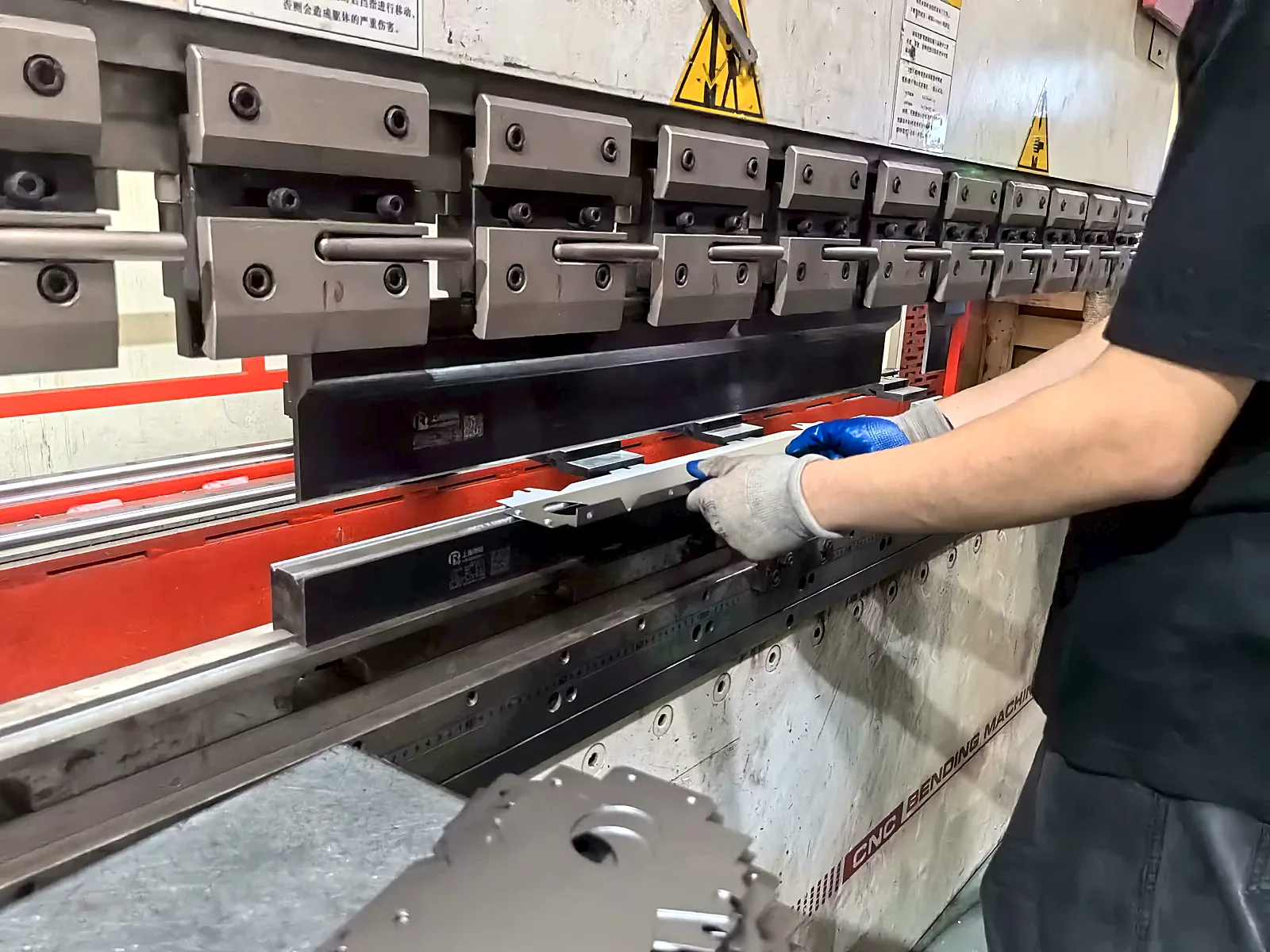
CNC bending turns laser-cut blanks into stronger, safer and more useful trolley parts. Shelf lips, tray edges, drawer bodies, U-channels, side panels and reinforcement forms are where bending quality becomes visible to the buyer.

4 CNC press brakes listed publicly 0.5-20 mm public forming range Shelves, trays and channels Bend radius and springback review First-piece angle checks
CNC Bending for Sheet Metal Trolley Parts and Panels

Engineering Context

Bending is what gives sheet metal trolley parts strength

Flat sheet metal becomes much stiffer after a flange, lip or channel is formed. This is why trolley shelves, book cart trays, drawer bodies, platform edges and side guards often use formed edges instead of simply increasing material thickness. Better bending design can reduce weight while keeping strength where the product needs it.

DoingMetal public content describes CNC bending with high accuracy and repeatability and states an allowable range of 0.5-20 mm depending on material. In practice, every bending job should be checked for part length, flange height, inside radius, tooling availability, material springback and whether holes or slots are too close to the bend line.

For trolley buyers, bending quality affects shelf fit, drawer movement, visible lines, edge safety, final width and how easily welded or bolted assemblies go together. It also affects packing, because knock-down trolleys often use formed panels and brackets that must assemble without forcing.

Capability Details

What Buyers Should Confirm

Item What to Confirm Why It Affects Quality
Equipment Public FuleiMetal / DoingMetal content lists 4 CNC press brakes. Multiple bending machines support different part sizes and repeat-order production.
Materials Carbon steel, stainless steel, aluminum and galvanized sheet can be reviewed by drawing. Material hardness and grain direction change springback, cracking risk and final angle stability.
Thickness DoingMetal public content states 0.5-20 mm depending on material. Thicker sheet needs larger tooling, higher force and different bend radius expectations.
Bend Radius Confirm inside radius or allow the factory to match available tooling after DFM review. Incorrect radius assumptions can change flat pattern size and assembled dimensions.
Tolerances Confirm critical dimensions across bends, angle tolerance, overall width and hole-to-bend relationships. Bending tolerances are different from laser cutting tolerances and become harder over multiple bends.

Process Know-How

How This Process Affects Trolley Performance

Trolley parts that depend on bending

Common bent parts include shelf lips, tray bodies, drawer panels, book cart shelves, platform edges, wheel guards, side covers, brackets, U-channels and formed reinforcements. These parts protect goods, increase stiffness and remove exposed sharp edges.

Springback and bend sequence

After bending pressure is released, metal springs back slightly. The amount depends on material, thickness, hardness, bend radius and tooling. Multi-bend parts also need the correct bend sequence so earlier flanges do not block later forming operations.

Holes, slots and coating clearance

Holes too close to a bend can stretch or distort. Slots and tabs may need bend relief. If parts will be powder coated or galvanized, assembly holes, hinges and sliding areas need clearance because finish thickness can change the final fit.

Inspection

Quality Control Points

Material and thickness confirmation before forming First-piece angle and flange dimension check Review of hole-to-bend distortion Assembly fit check for shelves, drawers and guards Drawing revision and tooling notes kept for repeat orders

RFQ Preparation

Information That Helps Us Quote Accurately

For custom trolley projects, a clear RFQ helps us choose the right process, avoid overbuilding and identify quality risks before sample production.

3D model plus 2D drawing if available Material, thickness and required bend radius Critical dimensions after bending, not only flat blank size Visible surfaces and cosmetic requirements Finish type and coating clearance requirements Quantity and whether repeat-order tooling notes are needed

Buyer FAQ

Common Process Questions

Can every laser-cut part be bent afterward?

Not always. Flange height, hole position, material thickness, part size and tooling access decide whether the bend can be made accurately.

Why do bent dimensions need wider tolerances?

Bending adds springback, tooling variation and material behavior. Dimensions over several bends naturally need more review than flat laser-cut dimensions.

How can I make shelves stronger without making them too heavy?

Use return flanges, U-shapes, ribs, formed lips or local reinforcements instead of increasing the whole sheet thickness.

Should the drawing show inside or outside dimensions?

Show the dimensions that matter for assembly and function, then mark critical tolerances clearly. For formed trays, inside usable space is often more important than outside size.

Related Pages

Continue Reviewing the Manufacturing Route

Send Your Drawing for CNC Bending Capability Review

Send your trolley type, load capacity, size, wheel requirement, quantity, and drawings or reference photos. Our team will review the structure and reply within 24 hours on business days.

Urgent project? Email gao@doingmetal.com or WhatsApp +86 18158549983.