Skip to content

Laser Cutting Capability

Sheet Metal Laser Cutting for Trolley Parts and OEM Components

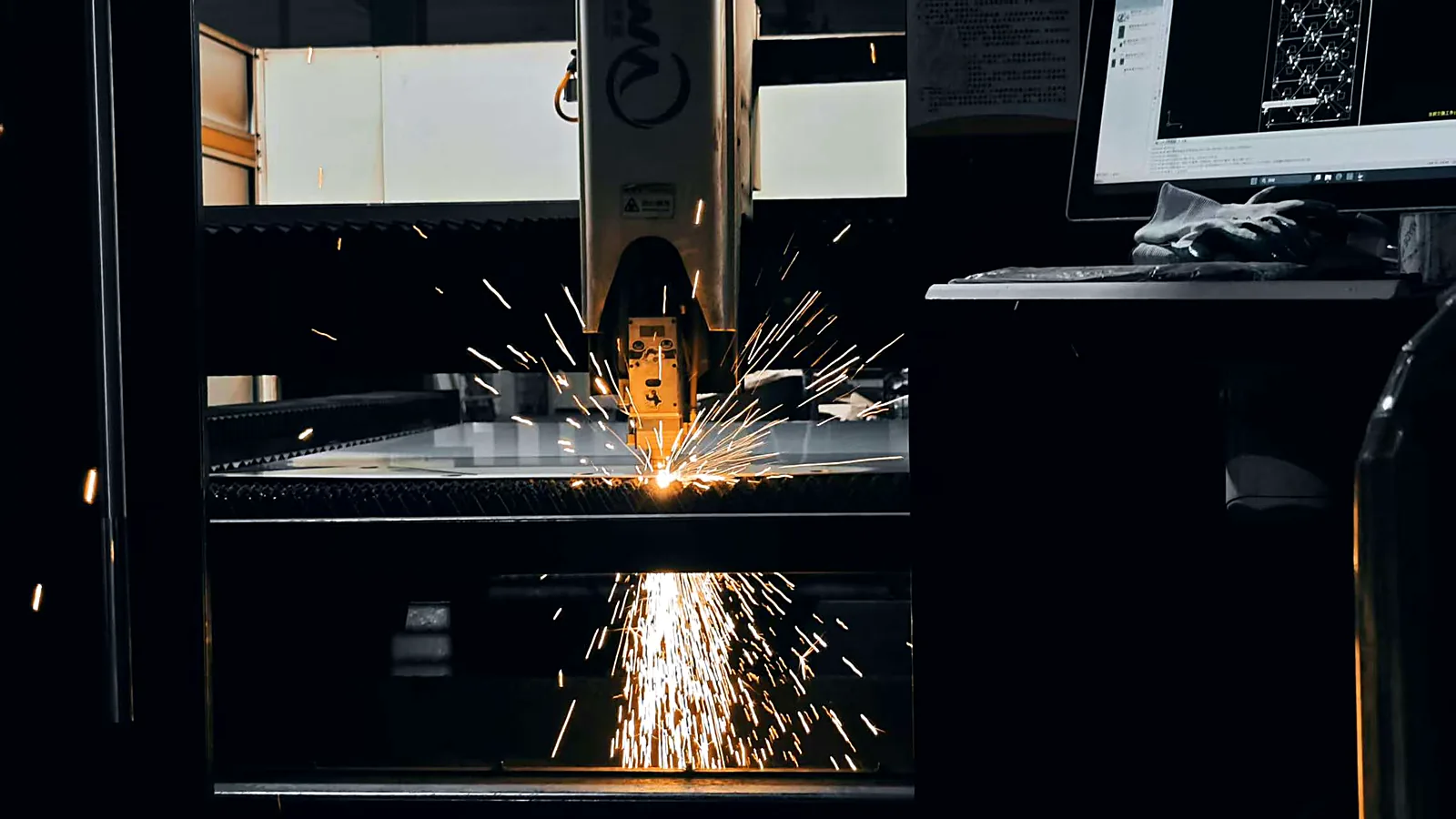
Laser cutting is where many trolley projects begin. Deck plates, shelves, caster mounting plates, brackets, side guards, drawer panels, pegboard panels and custom cutouts must be accurate before bending, welding, coating and assembly can be stable.

TRUMPF laser cutting listed publicly 3 laser systems listed publicly 0.5-18 mm public sheet range +/-0.1 mm public precision reference DFM review before quotation
Sheet Metal Laser Cutting for Trolley Parts and OEM Components

Engineering Context

Why laser cutting matters for trolley manufacturing

A trolley may look simple, but precision sheet metal fabrication decides many downstream problems. If wheel plate holes are off, casters do not align. If shelf blanks are not consistent, bending and welding fixtures become harder to control. If cut edges remain sharp, the finished trolley is less safe to handle and powder coating can look poor around corners.

DoingMetal public content lists TRUMPF laser cutting, multiple laser machines and a sheet processing range of 0.5-18 mm depending on material. For each RFQ, the practical limit should still be checked against material grade, thickness, part size, hole size, edge quality and whether the part will be bent, welded or coated after cutting.

For custom trolley buyers, laser cutting is useful when the product needs accurate holes, slots, tabs, mounting plates, logo plates, ventilation patterns, lightening cutouts or repeated parts across a production batch. It also helps prototypes move faster because no hard tooling is required for the first flat blanks.
Capability Details

What Buyers Should Confirm

Item What to Confirm Why It Affects Quality
Equipment TRUMPF laser cutting and multiple laser systems are listed in public DoingMetal / FuleiMetal materials. Machine stability, programming and nesting affect cut accuracy, delivery speed and repeatability.
Materials Carbon steel, stainless steel, aluminum, galvanized sheet and selected non-ferrous sheets can be reviewed by drawing. Material type changes cutting gas, speed, burr risk, oxide layer, heat effect and finish choice.
Thickness DoingMetal public content states 0.5-18 mm depending on material. Thicker or special materials should be confirmed case by case. Thickness changes kerf, taper, burr, heat input, flatness and whether the part can be bent or welded afterward.
Tolerance Public DoingMetal content mentions +/-0.1 mm precision for laser cutting; final tolerance should be agreed by drawing and inspection method. A trolley normally has functional tolerances around holes, wheel plates and assembly interfaces rather than every cosmetic edge.
Design Files DXF, DWG, STEP, PDF or dimensioned sketches. STEP plus 2D drawings are preferred for assemblies. Clear files reduce quoting errors and avoid wrong hole sizes, missing bends or unmarked critical dimensions.

Process Know-How

How This Process Affects Trolley Performance

Trolley parts made by laser cutting

Common parts include platform decks, shelf blanks, caster plates, handle brackets, drawer fronts, side guards, cable hooks, mesh reinforcement plates, label plates, folding hinge plates and custom fixture plates. These parts often move to bending or welding after cutting, so bend reliefs, hole spacing and tab locations should be reviewed together.

DFM points buyers should not ignore

Small holes, narrow slots and sharp internal corners can create heat, burr or fit-up problems. Holes near bend lines may deform during forming. Cosmetic parts handled by operators should specify deburring, corner radius or edge-break requirements. If the trolley is powder coated, tight mating holes and hinge areas may need allowance for coating build-up.

How quality is controlled

Before batch cutting, the program, material thickness and first parts should be checked. Critical hole-to-hole dimensions, outside size, slot width and visible edge condition can be measured. Parts that later become wheel plates or mounting brackets deserve special attention because they affect caster alignment and assembly speed.

Inspection

Quality Control Points

Material grade and sheet thickness check First-piece cut dimension check before batch cutting Hole and slot inspection for caster plates and brackets Burr and sharp-edge review before bending or coating Part count and drawing revision check before release to the next process

RFQ Preparation

Information That Helps Us Quote Accurately

For custom trolley projects, a clear RFQ helps us choose the right process, avoid overbuilding and identify quality risks before sample production.

Material grade and thickness DXF/DWG/STEP/PDF files or measured sample photos Critical dimensions and tolerance requirement Hole diameter, slot width and edge-break needs Whether parts will be bent, welded, coated or assembled Quantity and whether nesting cost matters more than delivery speed

Buyer FAQ

Common Process Questions

Can laser cutting make finished trolley parts directly?

Sometimes yes for flat brackets, plates and guards. Most trolley parts still need bending, welding, deburring, coating or assembly after cutting.

Should I compensate for laser kerf in my drawing?

Normally send the final required dimensions. The cutting program should handle kerf compensation. If your file is only a cutting path, explain that clearly.

What tolerance should I request?

Use tight tolerances only where function requires them, such as caster holes, mating slots and assembly interfaces. General outside edges can often use normal sheet metal tolerances to control cost.

What causes burrs or rough edges?

Material type, thickness, cutting gas, speed, focus, nozzle condition and part geometry all affect edge quality. Thick plate and small holes need more careful review.

Related Pages

Continue Reviewing the Manufacturing Route

Send Your Drawing for Laser Cutting Capability Review

Send your trolley type, load capacity, size, wheel requirement, quantity, and drawings or reference photos. Our team will review the structure and reply within 24 hours on business days.

Urgent project? Email gao@doingmetal.com or WhatsApp +86 18158549983.