Between processes
Operational need: Laser-cut blanks, bent parts or welded frames need to move without mixing batches.
Trolley design: Use WIP carts with dividers, labels, removable trays and clear loading direction.
 DoingMetal
Manufacturing Workshop Trolleys
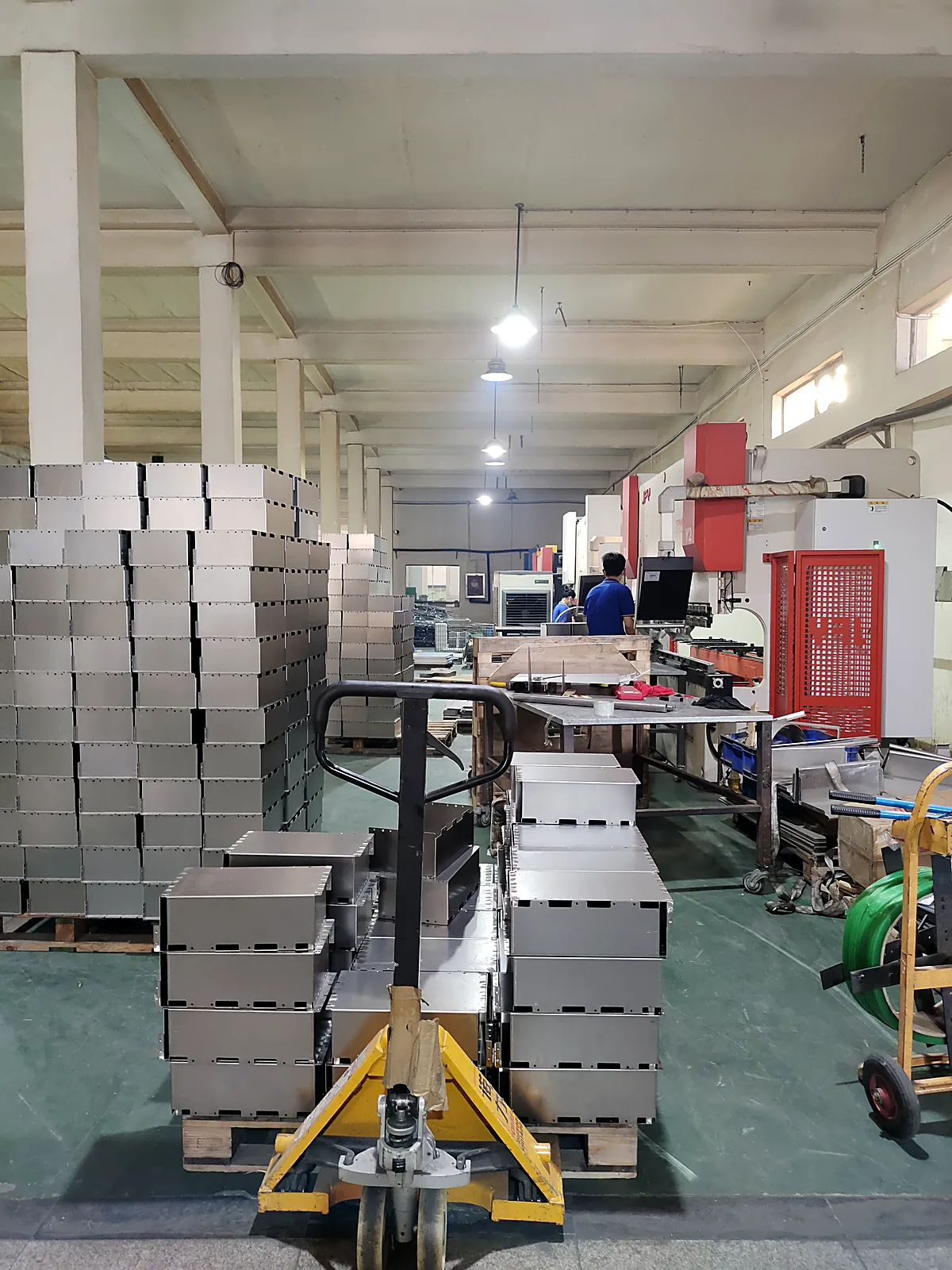
Workshop trolleys help factories move work-in-process parts, tools, fixtures, bins and semi-finished products between cutting, bending, welding, assembly, inspection and storage. The design must protect parts, fit the station height and survive repeated industrial use.
Application Thinking
A production trolley should match part geometry, batch size, station height, operator reach, floor condition and daily movement frequency. A generic shelf cart may move parts, but it may also create scratches, mixed batches, wasted walking or unsafe lifting.
Doing Metal can design metal workshop trolleys around trays, dividers, tube frames, drawers, hooks, pegboard panels, anti-slip surfaces, brake casters and protective contact points. The key is to decide what the trolley carries and how workers use it before confirming the frame.
Workflow Map
Each application page is written from the buyer's working route first, then converted into a trolley structure and RFQ checklist.
Operational need: Laser-cut blanks, bent parts or welded frames need to move without mixing batches.
Trolley design: Use WIP carts with dividers, labels, removable trays and clear loading direction.
Operational need: Operators need screws, tools, small parts and subassemblies close to the station.
Trolley design: Use shelf carts, bin carts or mobile workstations with tray lips, drawer storage and ergonomic handle height.
Operational need: Fixtures can be heavy, awkward and easy to damage.
Trolley design: Use reinforced frames with custom slots, rubber contact points and low center of gravity.
Operational need: Technicians need tools, consumables and spare parts in one mobile unit.
Trolley design: Use tool trolleys with drawers, locks, pegboard, hooks, brake casters and a durable powder-coated finish.
Buyer Pain Points
Flat shelves are not enough for sensitive bent parts, painted panels or precision components. Dividers, liners and batch labels can reduce damage and confusion.
A trolley that carries the right kit to the station reduces repeated trips to shelves, tool cabinets and temporary storage areas.
Point loads from metal parts, fixtures or tooling require stronger deck design, closer supports and sometimes thicker plate or tube.
Drawers, hooks, pegboard, locks and shadow-board style layouts help teams find tools quickly and notice missing items.
Assembly and maintenance trolleys often become temporary workstations. Brake casters or central brake systems help keep them stable during work.
If shelf height is wrong, workers bend, lift or reach too much. Height should match the machine, bench, conveyor or operator process.
Recommended Structures
For parts moving between production steps. Choose shelves, slots, trays or dividers according to part shape and batch quantity.
View related trolleyFor maintenance and production tools. Drawer load, lock system, pegboard, hooks and brake casters are the main custom points.
View related trolleyFor jigs, molds, fixtures or special parts. The frame should control point loads and keep the center of gravity low.
View related trolleyFor heavier boxes, components and finished assemblies. Reinforced caster plates and deck supports are important.
View related trolleyEngineering Details
| Design point | What buyers should confirm |
|---|---|
| Part contact | Define whether parts can touch each other, need rubber strips, foam, dividers, hooks, slots or removable trays. |
| Batch control | Add label holders, color coding, shelf numbers, document pockets or barcode areas if the trolley supports production tracking. |
| Frame strength | Review point loads, dynamic movement, shelf span, caster plate size and weld positions for heavy components. |
| Ergonomics | Confirm handle height, shelf height, loading direction, turning space, and whether operators push, pull or tow the trolley. |
| Finish | Powder coating is common for indoor workshops; galvanized or stainless designs may be used when moisture, chemicals or cleaning are important. |
| Repeatability | For repeat orders, fixture-controlled welding and documented wheel/finish specifications help keep batches consistent. |
Manufacturing Route
Doing Metal connects trolley design with sheet metal fabrication, tube work, welding, surface treatment, assembly and inspection.
Review product drawings, part samples, route photos and station dimensions.
Decide shelf pitch, trays, dividers, drawers, hooks, wheel layout and handle position.
Laser-cut plates, guards and brackets are formed before welding and assembly.
Check frame squareness, shelf fit, caster alignment and weld condition.
Apply selected finish, assemble casters and accessories, then check movement and packing.
RFQ Preparation
Send the details below together with drawings, sketches, photos, existing cart references or samples. The more real workflow information you provide, the more useful the quotation will be.
Buyer FAQ
Yes. Send part photos, drawings or samples. Slots, shaped supports, dividers and removable trays can be designed around the actual part geometry.
Use separated contact points, rubber or plastic liners, controlled shelf pitch, dividers and clear loading direction. The finish of the trolley also matters if parts touch coated surfaces.
Yes, but load balance should be reviewed. Heavy tools should stay low, while frequently used items should stay at reachable height.
A formal CAD drawing is helpful but not mandatory for early discussion. Photos, rough dimensions and workflow notes are enough to start a proposal.
Related Capability Pages
Send your trolley type, load capacity, size, wheel requirement, quantity, and drawings or reference photos. Our team will review the structure and reply within 24 hours on business days.
Urgent project? Email gao@doingmetal.com or WhatsApp +86 18158549983.