Shelf count and pitch set from the items carried on each level
Shelf pitch is usually the tallest item plus clearance per level — too much pitch wastes vertical space in every aisle.
 DoingMetal
Multi-Tier Shelf Trolley / Utility Service Cart
Two, three or four tier shelf trolleys for everything between a flatbed and a cabinet: totes, formed parts, components awaiting assembly, catering or retail stock, or library and office material. Shelf pitch, edge lips, dividers, side containment and the caster layout are set from what goes on each level. Tube section, plate thickness and finish follow the load and the environment.
Get a Quote Within 24 HoursProduct Overview
Doing Metal can customize trolley structure based on your drawings, product photos, sample design, working environment, and quantity target. We review frame strength, caster layout, platform or shelf design, finish, and packing before quotation.
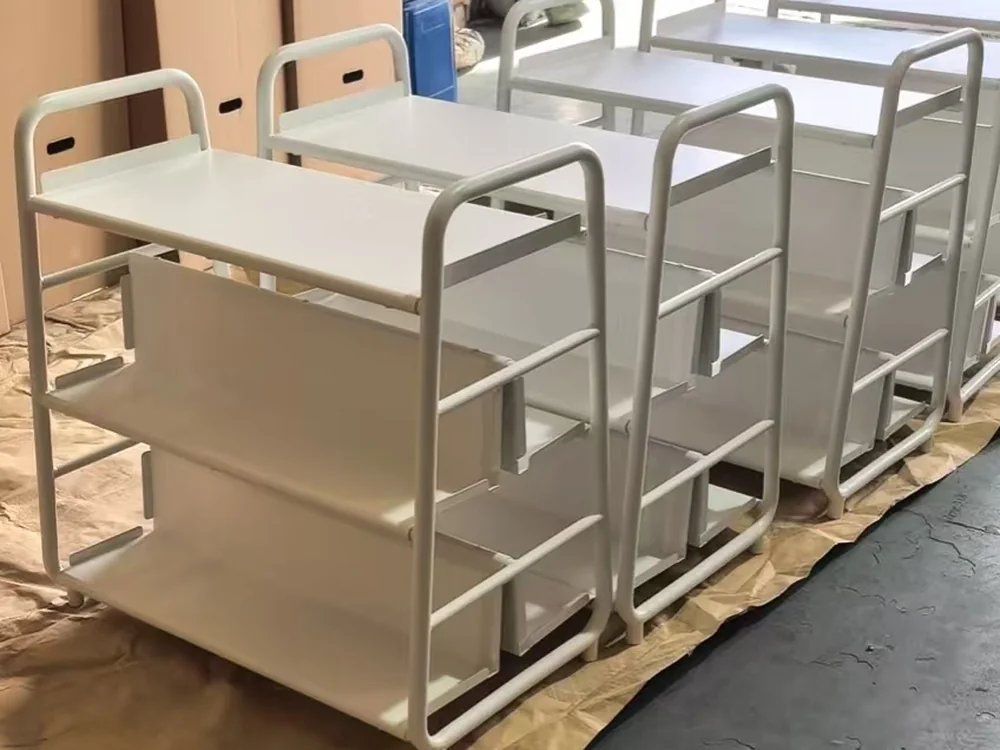
Multi-tier carts fail in predictable ways: shelves that bow under the real load, lips too low to stop items sliding off when the cart turns, posts that loosen after a season of rolling over floor joints, or frames too tall to pass the door at the end of the route. Most of these are drawing-level decisions made before the first weld.
Tell us what goes on each level, the weight per shelf not just the total, the overall height limit if there is one, the door and aisle widths on the route, and whether the cart has to nest, stack or knock down for shipping. We then review post and shelf structure, tray material and thickness, edge treatment, caster layout and finish, and quote from a drawing.
Shelf pitch is usually the tallest item plus clearance per level — too much pitch wastes vertical space in every aisle.
Perforated or wire shelves keep weight down and let dust and liquids fall through; solid trays suit small parts and spill-prone loads.
Dividers stop categories mixing during transport, which matters more than load capacity in most stock rooms and workshops.
Removable handles and knock-down shelf designs cut container volume when you are shipping hundreds of units at a time.
Workshop Photos
Every photo on this page was taken in our own workshop or at our customer site. No stock images, no renderings.
Repeat batch — same geometry, same finish, ready for export packing.
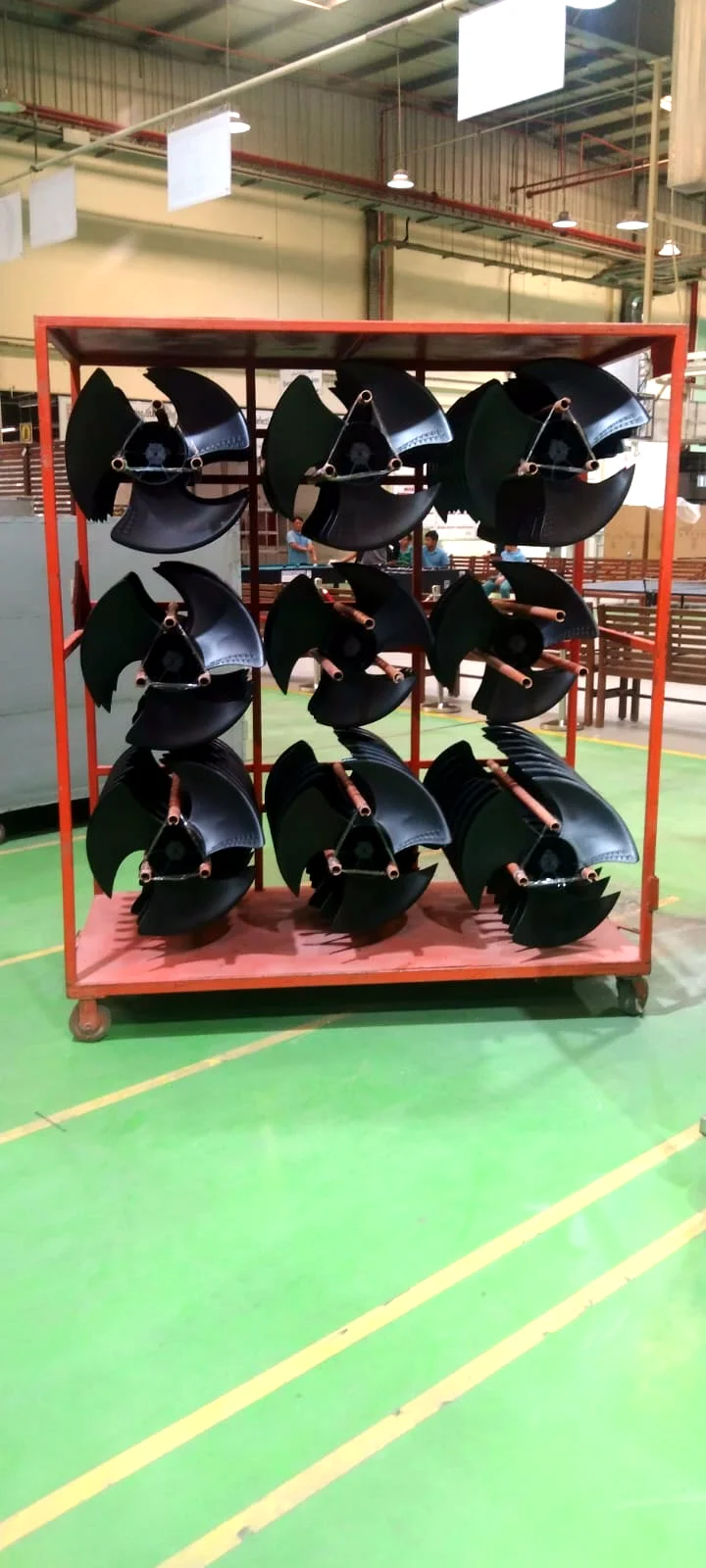
Purpose-built racks — when the part geometry decides the frame, not the catalogue.
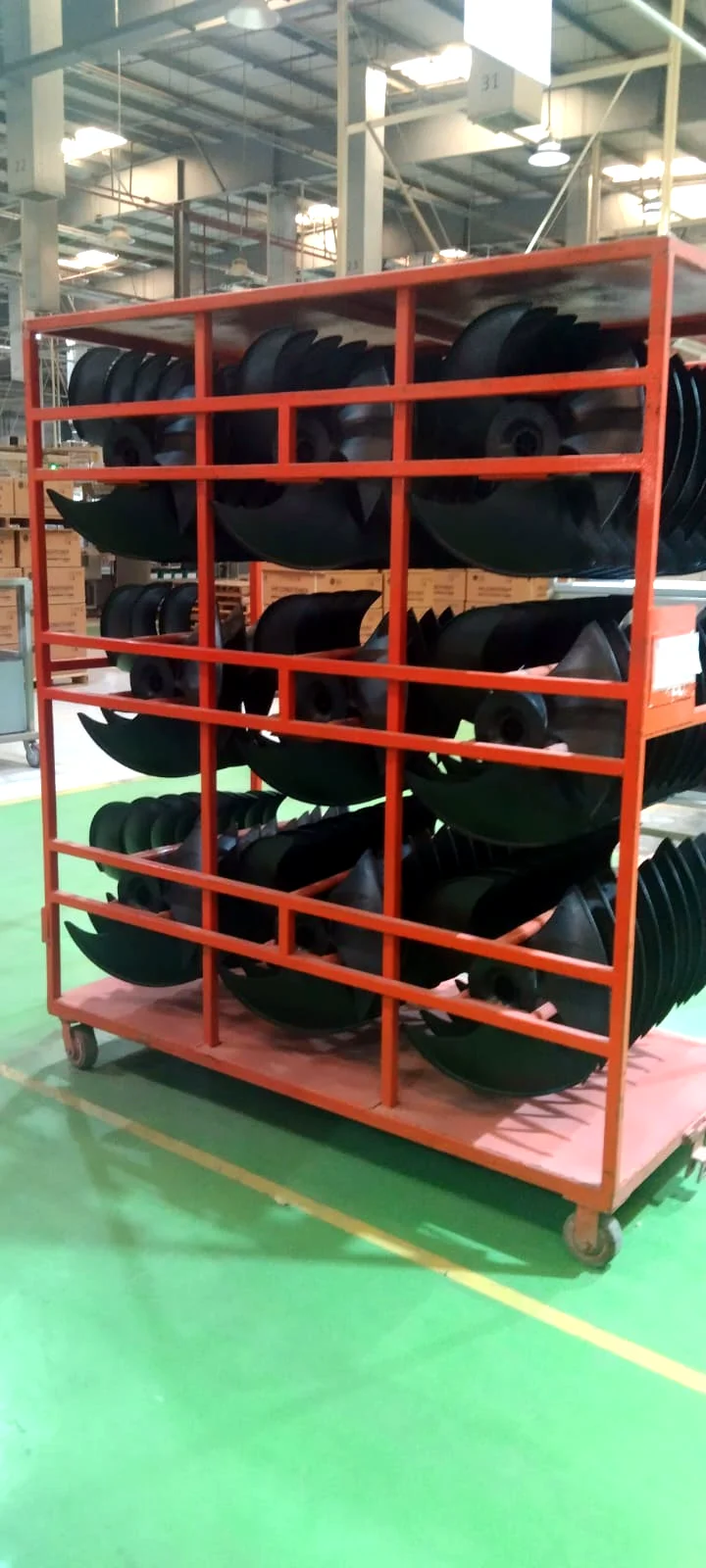
Side view — rack pitch and base clearance follow the part itself.
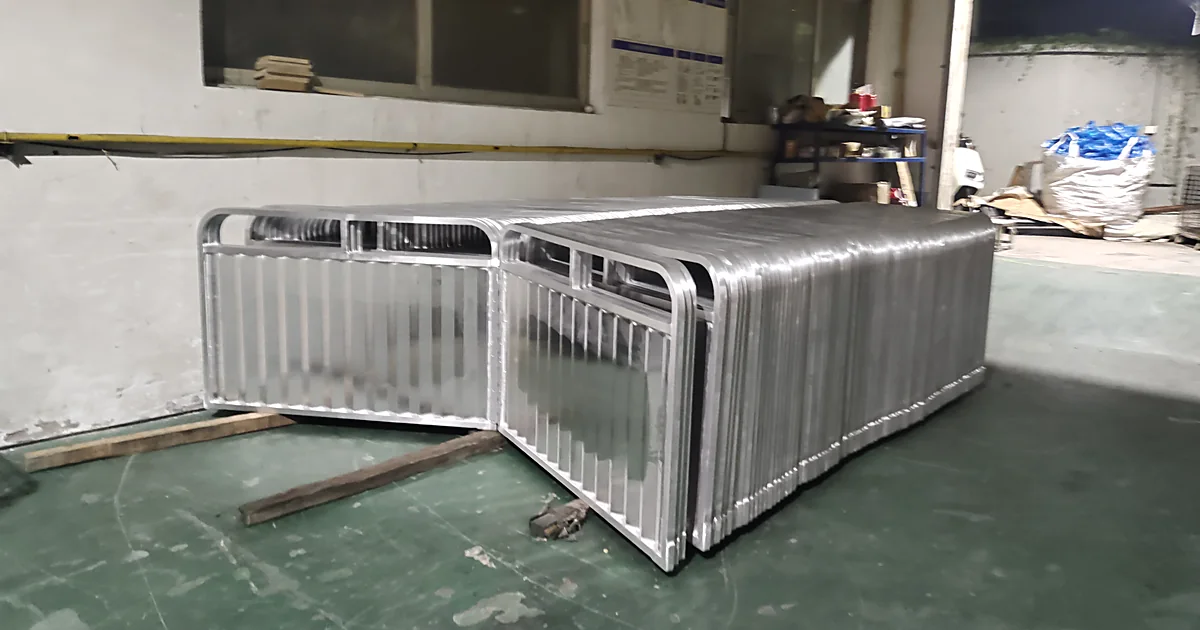
Mesh and welded panels — our own line, from tube stock to finished frame.
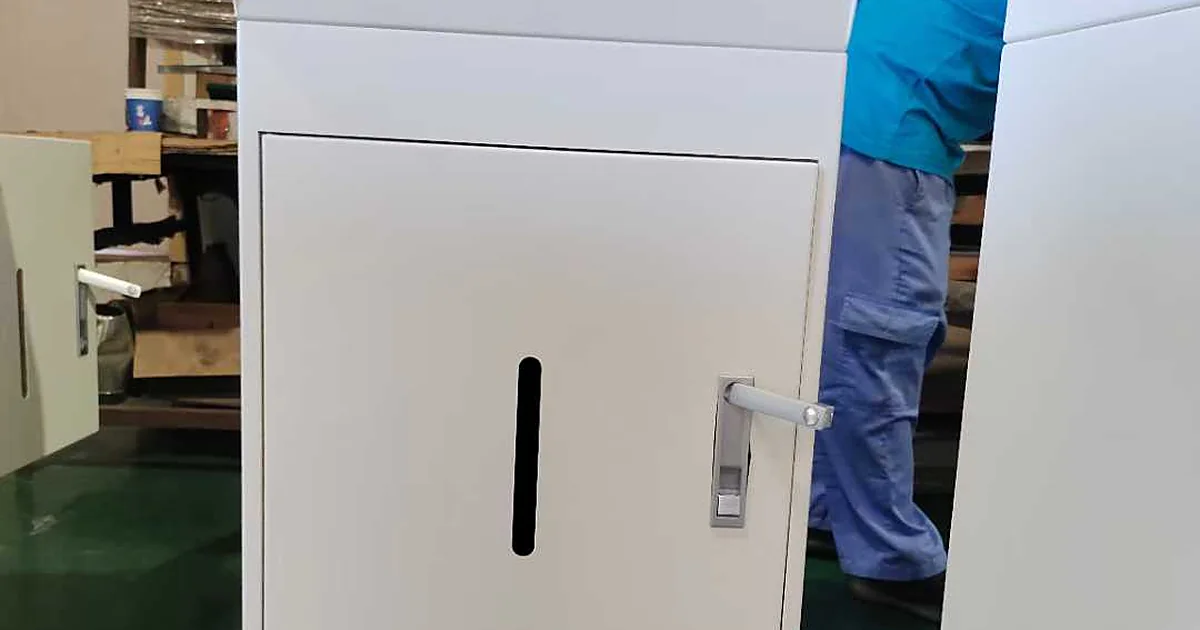
Casters — load per wheel is checked against rating, not averaged across the cart.
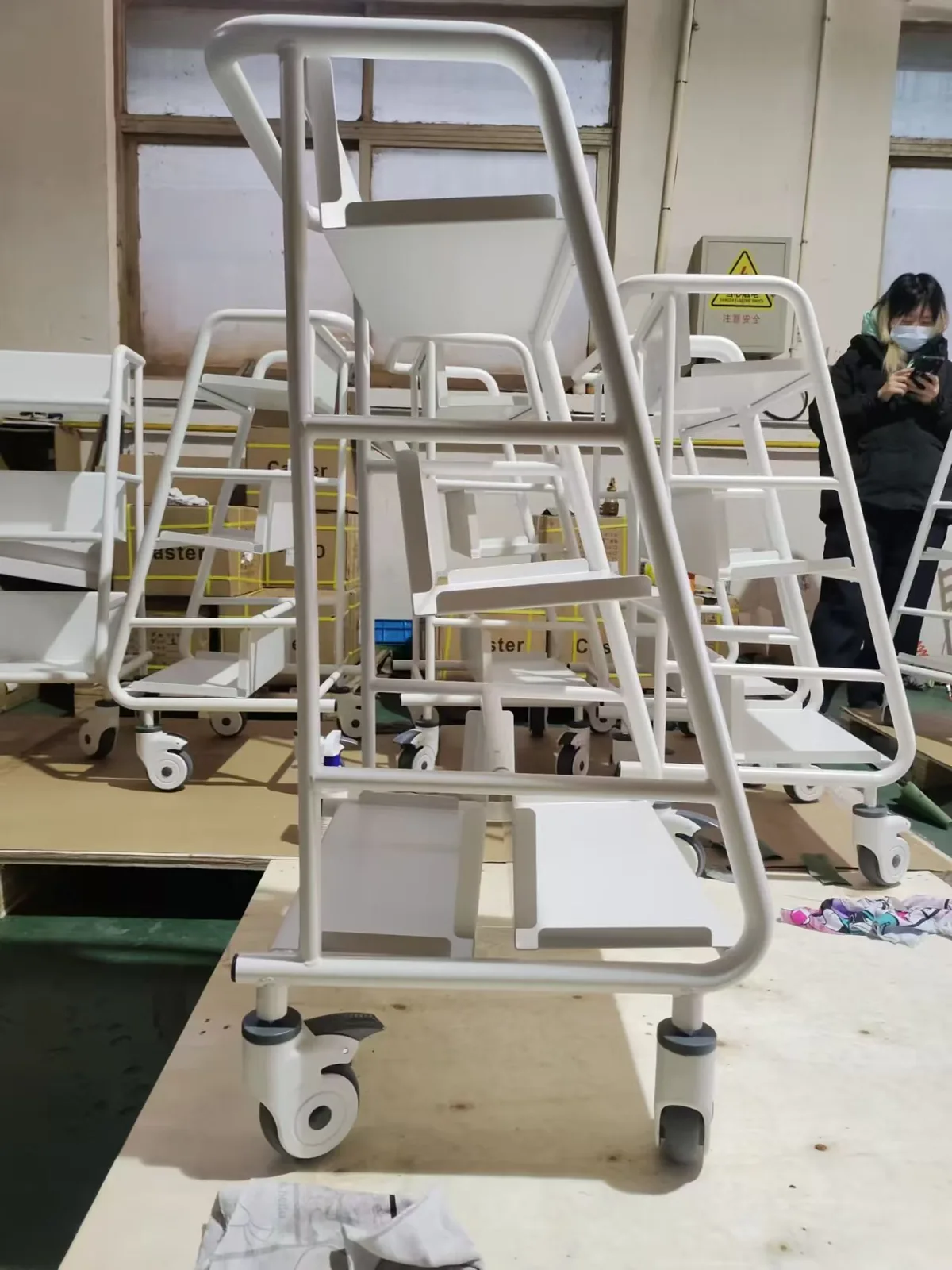
Finished carts staged — stackable designs reduce freight per unit.
Customization
These options change material use, process route, tooling, assembly time, packing volume, and final cost.
Buyer Decision Guide
Use this section before sending an RFQ. It translates the search term into the practical design points our team needs to review.
| Decision Area | What to Confirm | Why It Matters |
|---|---|---|
| Load per shelf | Weight on the heaviest level, not the cart total | One overloaded shelf is how most multi-tier carts end up with a permanent bow |
| Containment | Whether items slide, spill or stack above the lip | Decides lip height, side rails, mesh panels or a fully open frame |
| Height limits | Door heights, lifts, mezzanine clearances | A cart that cannot reach the loading dock is a cart nobody uses |
| Shipping | Assembled, knocked down, stacked or nested | Can change landed cost more than any unit price negotiation |
Engineering Choices
Foreign material handling buyers often compare the same trolley by load class, wheel system, ergonomic design, towing method, surface finish, and packing. Confirming these details early helps avoid under-built carts and unnecessary cost.
Tube size, plate thickness, reinforcement ribs, weld layout, and deck surface should match the real load, cargo footprint, and impact during use.
Two fixed plus two swivel wheels, four swivel wheels, brake casters, pneumatic tires, or larger PU wheels can be selected for different routes and floor conditions.
Manual push handles, double handles, tow bars, coupling arms, forklift handling, or AGV interface requirements can be reviewed for custom projects.
Brake position, side rails, mesh guards, anti-slip decks, wheel locks, and load distribution help make the trolley safer during loading and parking.
Powder coating, galvanizing, stainless steel, or custom color should be selected based on indoor/outdoor use, corrosion exposure, and brand requirements.
Assembled, semi-assembled, knock-down, carton, pallet, and spare wheel packing options affect freight volume, assembly time, and after-sales support.
Quality Checks
Quality checks are adjusted according to the actual trolley type, structure, load, and application.
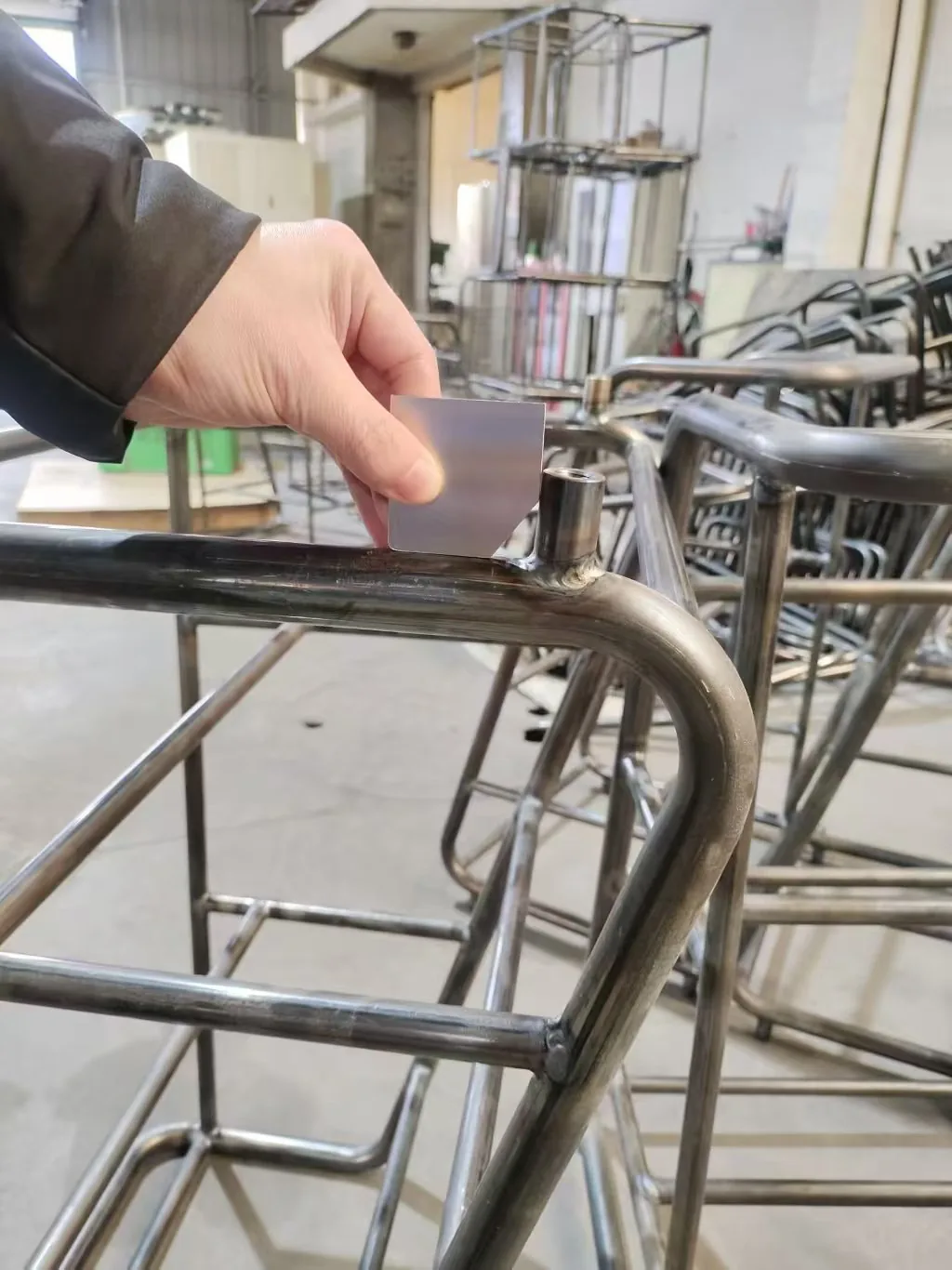
Angle and squareness checked against a template on every welded frame.
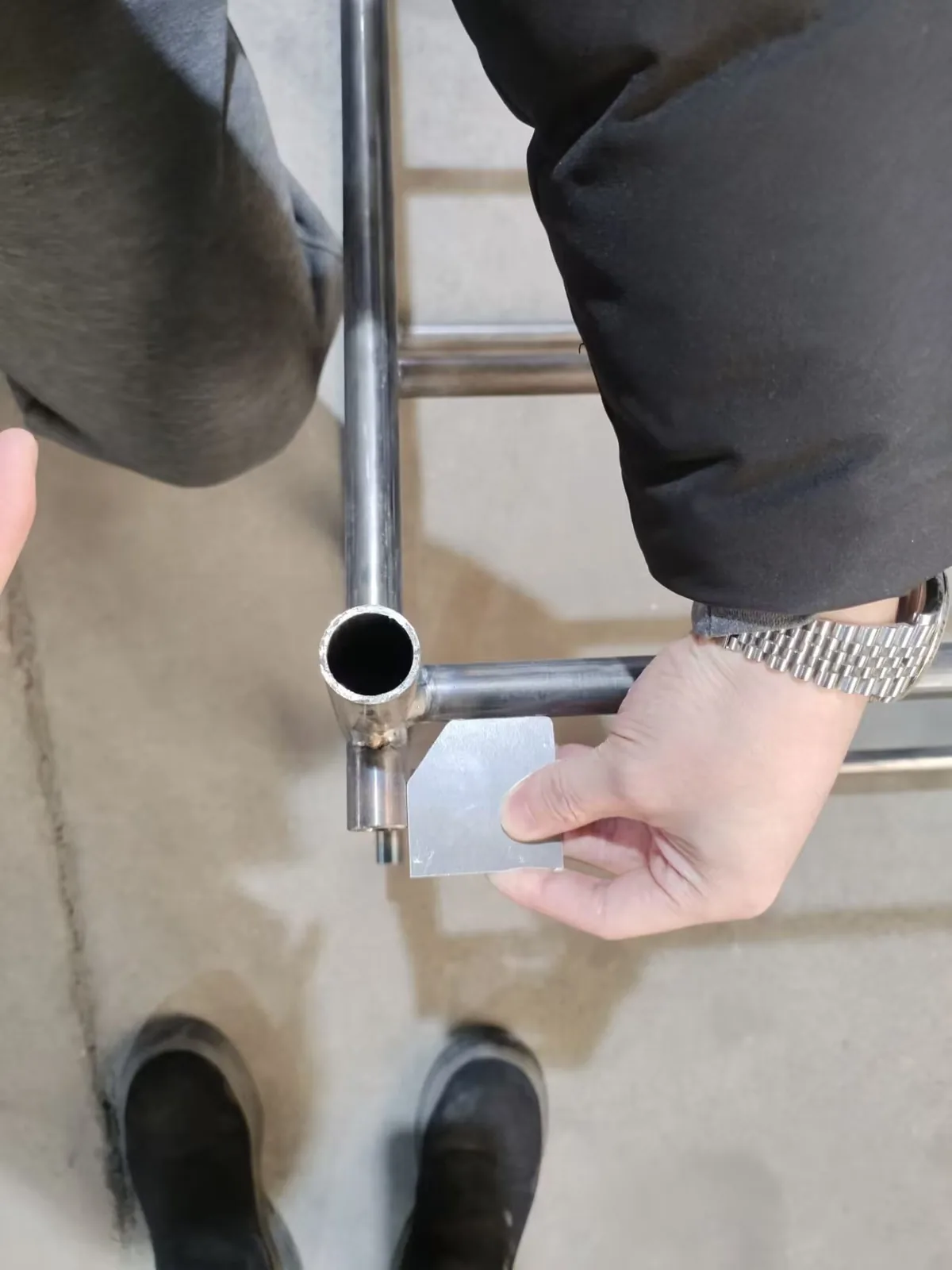
Joint-by-joint angle checks happen during assembly, not only at final inspection.
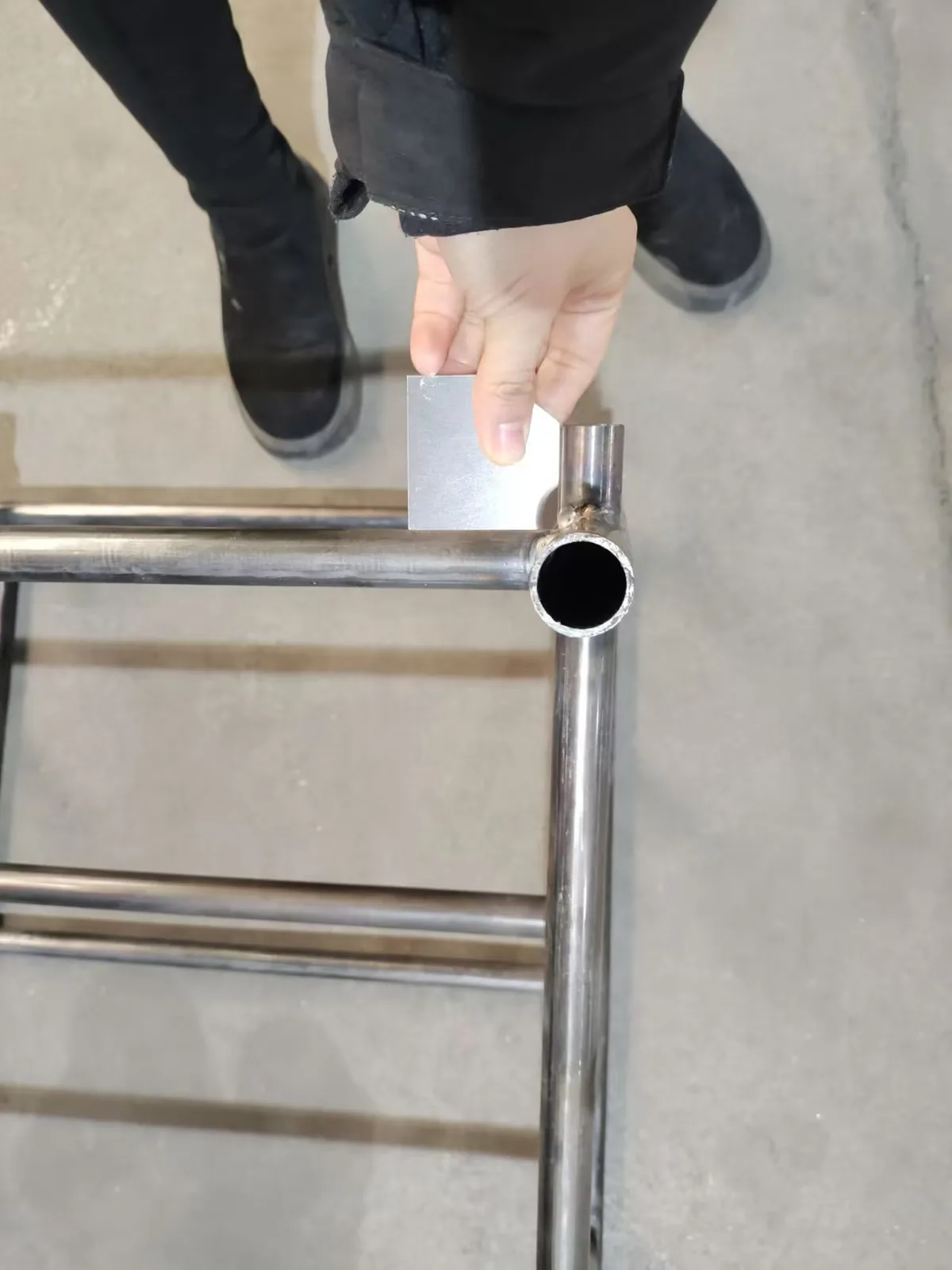
Same gauge, same angles — that is how unit 500 matches unit 1.
Specifications
| Item | Options to Confirm |
|---|---|
| Load Capacity | Confirmed from the actual cargo, load distribution, route, floor and safety factor; the quotation should not rely on a generic load class alone |
| Sheet / Tube Thickness | Confirmed from material grade, load path, part geometry and downstream process. Current thickness limits are reviewed against the selected machine and drawing. |
| Material | Carbon steel, stainless steel, aluminum, steel mesh, or combined structure |
| Size | Standard or custom platform, shelf, cage, or drawer dimensions |
| Wheel Type | PU, rubber, nylon, pneumatic, fixed, swivel, brake caster, or heavy-duty caster |
| Structure | Flat platform, shelves, side rails, cage, drawers, foldable handle, knock-down packing |
| Finish | Powder coating, galvanizing, stainless finish, custom color, or other finish as required |
| MOQ / Sample | Standard MOQ is 50 units. For large-size or heavy-duty trolley projects, quantities from 10 units may be discussed. Sample and first-article arrangements are reviewed separately. |
| Lead Time | Quoted after drawing, material, quantity, finish, wheel sourcing and packing are confirmed |
| Packing | Fully assembled, semi-assembled, knock-down, carton, pallet and spare-part options |
| Branding | Logo, label, custom color, private-label packing, and distributor program support |
DFM and Inspection Review
A drawing can look complete and still leave the most expensive problems unresolved. Attach your drawing or reference photos and identify these points before quotation.
Applications
Related Pages
These links help Google and buyers understand which page owns each topic, while giving your team the supporting process details.
Manufacturing Process
The production route can include tube cutting, laser cutting, CNC bending, welding, surface treatment, wheel installation, final function checks, and export packaging. For OEM projects, drawings or samples help improve quotation accuracy.
FAQ
Solid trays suit small parts and liquids; perforated or wire shelves let dust fall through and keep the cart lighter. Choose based on what sits on the shelf, not on appearance.
Lip height, side rails, mesh panels or dividers. The right choice depends on how much the load shifts on your route, so describe the items and the route when you send the RFQ.
Yes. Removable handles, bolt-on posts and knock-down shelf designs cut container volume significantly on large orders. The trade-off is assembly time at your end, so we quote both versions.
Yes. Overall size, platform size, shelf layout, cage size, handle height, and wheel configuration can be customized based on your use case.
Yes. Photos, samples, sketches, and use requirements can start the review. Drawings are recommended for accurate quotation and production.
Wheel choice depends on load, floor type, noise requirement, movement distance, brake needs, and whether the trolley is pushed, pulled, or parked on slopes.
Foldable handles, foldable cages, removable shelves, and knock-down packing can be discussed when storage space or freight volume is important.
Custom color, logo plate, label, carton artwork, and distributor packing can be reviewed for OEM and private-label trolley programs.
For heavy loads or long routes, please confirm tow bar, coupling arm, forklift, tugger cart, or AGV interface requirements during the RFQ stage.
Our standard MOQ is 50 units for most custom trolley programs. For large-size or heavy-duty projects, quantities from 10 units may be discussed after reviewing the structure, material, casters, finish and packing. Samples and first articles are handled separately.
Yes. Those formats are accepted for review, and reference photos or samples are useful when the drawing does not show the working environment.
Lead time is confirmed after the drawing revision, material, quantity, finish, wheel model and packing method are agreed. We avoid giving a generic date that does not fit the project.
Tell us which documents your purchasing team needs. Material, inspection, packing and project records can be discussed, while certifications are published only after internal verification.
We can review assembled, semi-assembled or knock-down packing, including cartons, pallets, hardware bags, labels and finish protection according to the shipping plan.
Yes. Sample or first-article review can be discussed according to the drawing maturity, project quantity, tooling and approval process.
Send your trolley type, load capacity, size, wheel requirement, quantity, and drawings or reference photos. Our team will review the structure and reply within 24 hours on business days.
Urgent project? Email gao@doingmetal.com or WhatsApp +86 18158549983.