September 22, 2026
Payment Terms and Incoterms for Trolley Orders | Doing Metal
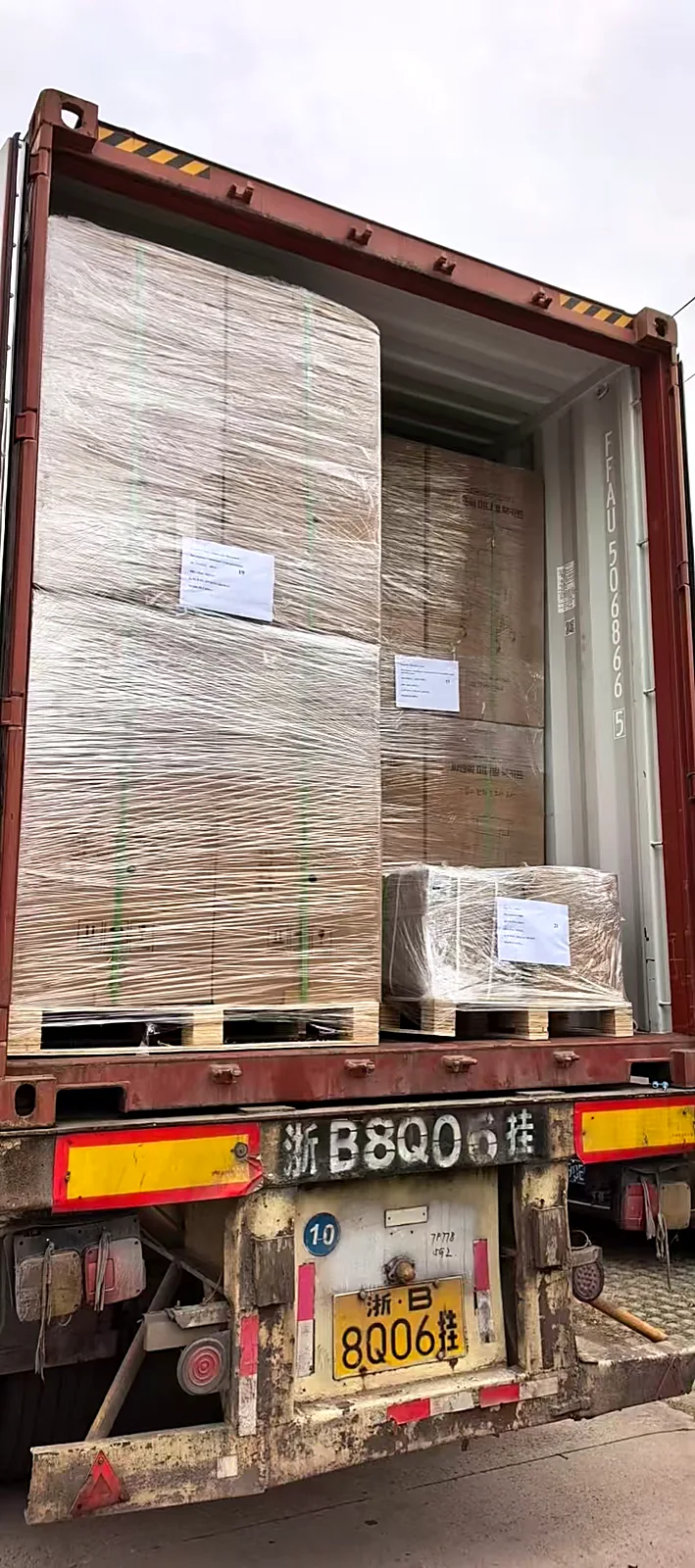
Two buyer conversations decide the real cost of an imported trolley programme, and neither is about the cart. The first is when you pay. The second is who carries the goods and pays for what – the Incoterm. Get either wrong and a good unit price still lands badly.
Payment terms: what is normal and why
Custom manufacturing is quoted, engineered and built before it is paid for in full, so a deposit is standard practice rather than a red flag. Typical structures:
- Deposit plus balance before shipment. The most common arrangement for built-to-drawing work. Deposit covers material and engineering, balance is paid against completion or before loading.
- Deposit plus balance against documents. Similar, with the balance released against shipping documents rather than a photograph.
- Open account. Usually reserved for established relationships with a track record of repeat orders.
- Letter of credit. Used for larger programmes or where a buyer’s internal rules require it; it adds bank cost and document discipline on both sides.
What matters is that the terms are stated in the quotation, match the proforma invoice, and are understood before production starts rather than negotiated while the goods are finished.
Incoterms in plain language
Incoterms decide who arranges and pays for each leg, and where risk transfers from seller to buyer. The ones that come up most on cart shipments:
- EXW (Ex Works): you collect from the factory and handle everything. Maximum control, maximum responsibility.
- FOB (Free On Board): the seller delivers the goods on board the vessel at the named port and handles export clearance; you handle ocean freight, insurance and everything after arrival. The most common choice for experienced importers.
- CIF (Cost, Insurance and Freight): the seller also pays carriage and insurance to your port, but risk still transfers at shipment. Attractive because it looks simple; read the insurance level and the destination port carefully.
- DAP / DDP (Delivered): the seller arranges delivery to a named place, with DDP also covering import duty and taxes. Convenient, but the duty and clearance assumptions must be agreed in writing.
Choosing between FOB, CIF and DDP
A practical way to decide:
- Choose FOB if you have a forwarder you trust and want control of freight cost and routing. Freight is visible and negotiable on your side.
- Choose CIF if you do not have a forwarder relationship yet and want one price to your port. Compare the freight element against your own quote before assuming it is competitive.
- Choose DDP only if you want a single delivered number and are comfortable that duty and tax assumptions are stated. Clarify who is importer of record.
- Avoid EXW unless you have an agent who can handle export clearance locally, which is more work than it looks.
Where cost surprises come from
Most landed cost shocks are not freight rates. They are:
- Duty and tax rates assumed rather than checked for your market and product classification
- Destination charges not included in the freight quote
- Demurrage or storage when clearance is slower than expected
- Inland delivery from port to your site, often quoted separately
- Currency movement between quotation and payment
- Costs of a documentation mismatch that holds the shipment at customs
Ask for the commercial terms in writing with the quotation, then check each of these against your own forwarder before committing.
A short checklist before you accept a quotation
- Which Incoterm, and which named port or place
- Whether packing is included in the unit price
- Deposit percentage and when the balance is due
- Currency and whether the rate is fixed
- Validity period of the quotation
- Whether duty, taxes and inland delivery are included or excluded
- What documentation comes with the shipment
Currency, timing and payment mechanics
Beyond the term itself, three details cause friction:
- Currency. State it, and whether the rate is fixed for the duration of the order or at the spot rate on payment day. On long programmes this is a real number.
- Bank details. Confirm them by a route you control, and be cautious about changes communicated only by email. Payment fraud on international orders is common enough to plan for.
- When the balance is due. Before loading, against documents, or after arrival – each shifts risk, and each should be written into the proforma invoice.
Documents that move with the goods
Paperwork delays cost more than freight delays. The usual set for a cart shipment is a commercial invoice, a packing list, the bill of lading or waybill, and any certificates your market requires. Check that the description, quantities and weights match across all of them, and that the packing list matches the cartons actually loaded. A mismatch here is the most common reason a perfectly good shipment sits at the port.
Frequently asked questions
Is a deposit negotiable?
Often, particularly on repeat orders or larger programmes. It is easier to discuss terms as part of a complete package – quantity, schedule and payment together – than as a single isolated request.
Which term is cheapest?
No term is universally cheapest. FOB is usually the most transparent; CIF and DDP bundle services you may be able to buy cheaper yourself, but save time and coordination. Compare a like-for-like landed total.
Who handles customs clearance?
Depends entirely on the term. Under FOB the buyer handles import clearance; under DDP the seller typically does. Confirm it in writing, including who is importer of record.
Does packing come as standard?
Not always. State the packing method and destination in the RFQ so it is included in the price. See the export packing guide for what to specify.
Tell us your preferred term and destination port with the RFQ through the contact page and we will quote accordingly.
Have a Similar Trolley Project? Send It for Review
Send your trolley type, load capacity, size, wheel requirement, quantity, and drawings or reference photos. Our team will review the structure and reply within 24 hours on business days.
Urgent project? Email gao@doingmetal.com or WhatsApp +86 18158549983.