November 16, 2026
500 Tennis Ball Pickers, Built to Order
A European Order for 500 Ball Pickers — and Why We Started With Questions, Not a Quote
A buyer from Europe came to us with a clear-sounding request: 500 tennis ball pickers, built to a design they had in mind. On paper it looked simple. In practice, it was the kind of project that shows why custom work cannot be priced from a photo alone.
This is an honest account of how we approach an order like this — and what we tell the buyer about time, detail and expectations.
What the Machine Actually Had to Do
The reference the buyer sent was a roller-style picker: a push machine with a rotating brush that sweeps tennis balls off the court and feeds them into a collection hopper, plus a set of decorative panels to finish the look. That is a familiar category of equipment, but the details are where a 500-unit order is won or lost.
For a machine of this type, the figures that matter are:
- Brush width — typically around 900–1,000 mm on a machine built to cover a full court in a reasonable number of passes. Wider is not automatically better: a wider head is heavier to push and harder to manoeuvre around the net posts and baselines.
- Ball capacity — typically 80–120 balls in the collection hopper for club and coaching use. That capacity has to match how many balls the facility puts on court at once, and how often a member of staff is willing to empty it.
- Wheels — 200–250 mm rubber or polyurethane wheels, with brakes on at least two, so the machine rolls over court seams and thresholds and stays put when parked.
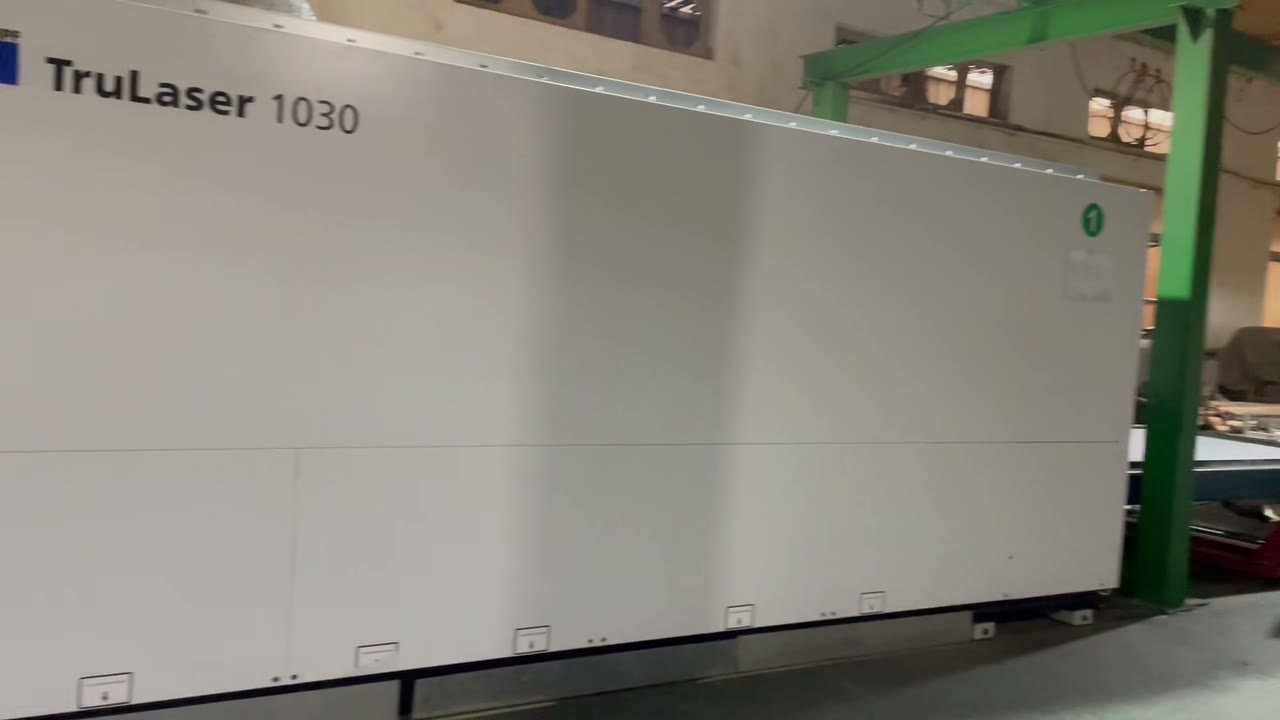
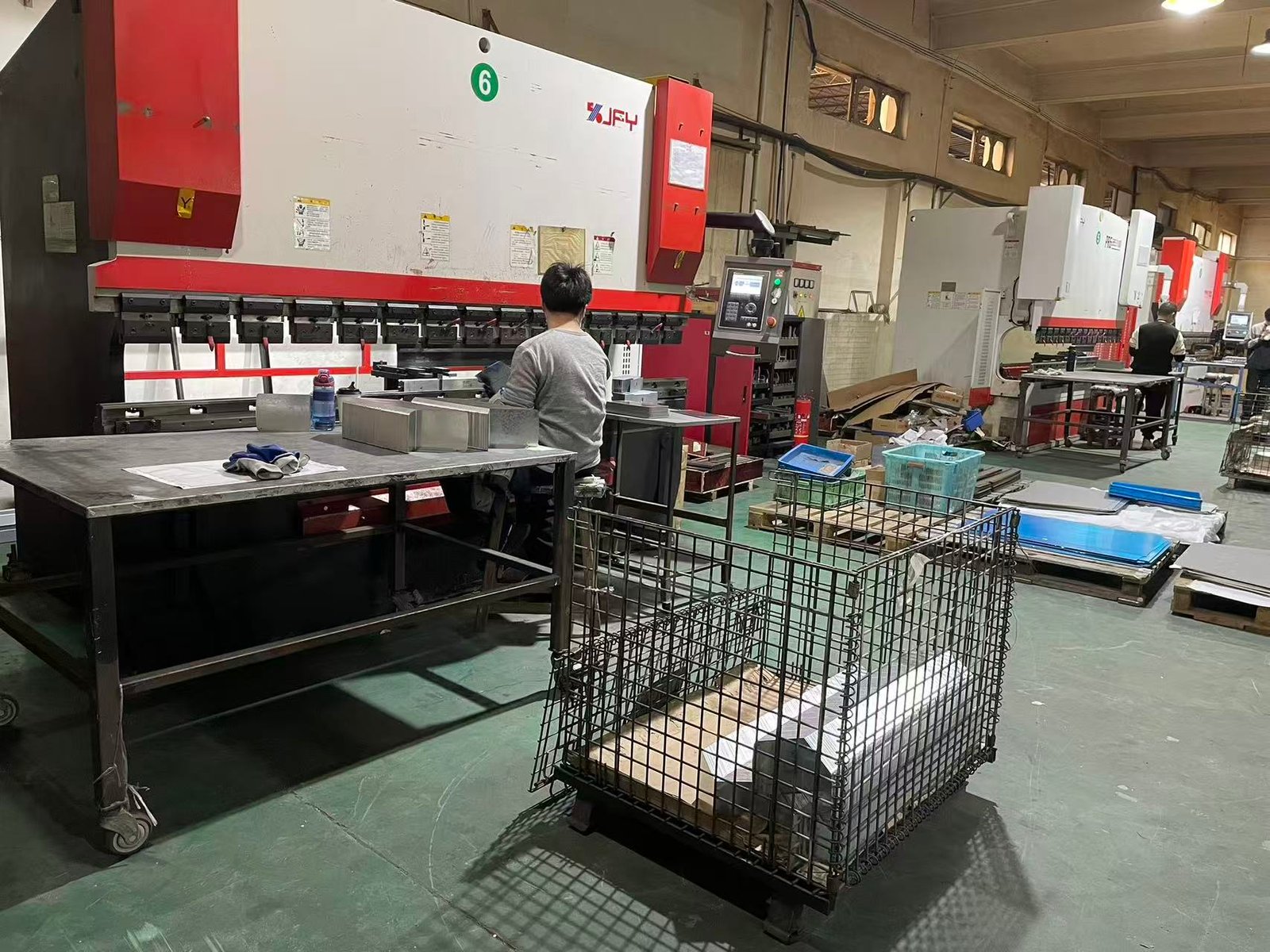
- Frame and finish — laser-cut and CNC-bent steel, welded, then powder coated; decorative panels in the club’s colours where appearance matters.
Those are sensible starting ranges, not a specification. The right numbers depend on the court surface, the ball volume and the people who will push the machine every day.
Why We Insist on a Detailed Conversation First
When a buyer sends a photo and says “make this,” there are usually a dozen decisions still open: the exact brush tension for the surface, how the balls leave the hopper, the handle height, the caster arrangement, whether the panels are cosmetic or structural, and how the machine will be packed for a long shipping journey.
For a single sample, you can resolve some of those as you go. For 500 units, every open decision becomes 500 repeats. A detail that costs an hour to settle at the drawing stage costs far more once the material is cut. So we do not send a firm price until we have worked through the design with the buyer — not because we want to delay, but because quoting without that detail would be irresponsible to both sides.
This is where a serious buyer and a serious supplier find out whether they fit. We ask a lot of questions up front, and we expect clear answers.
Custom Work Takes Real Time — and We Say So
We will be straight about this: designing, drawing, sampling and tooling a custom machine takes significant engineering time. It is not the same as shipping a catalogue item, and the first unit costs more than the five-hundredth because the design work sits mostly up front.
We think it is better to be honest about that at the start than to quote an attractive number and discover later that the design cannot be built to it. A realistic brief and realistic expectations produce a much better result than a race to the lowest price — especially on a 500-unit order, where a small compromise repeated 500 times becomes a real problem.
If the budget is fixed, tell us. We would rather design to a number we can actually hit than promise something we cannot deliver.
From Conversation to Sample
Once the specification is agreed, the route is straightforward. If you supply a CAD drawing, samples are typically ready in 10–15 days; if we produce the drawing, allow 15–20 days. We can produce the drawing from a concept or photos, but we recommend you supply your own where possible — it is faster and keeps the design under your control. Drawing work is quoted case by case, typically starting around USD 1,000 and ten days or more depending on complexity; we deliver a PDF and renders, not CAD source files.
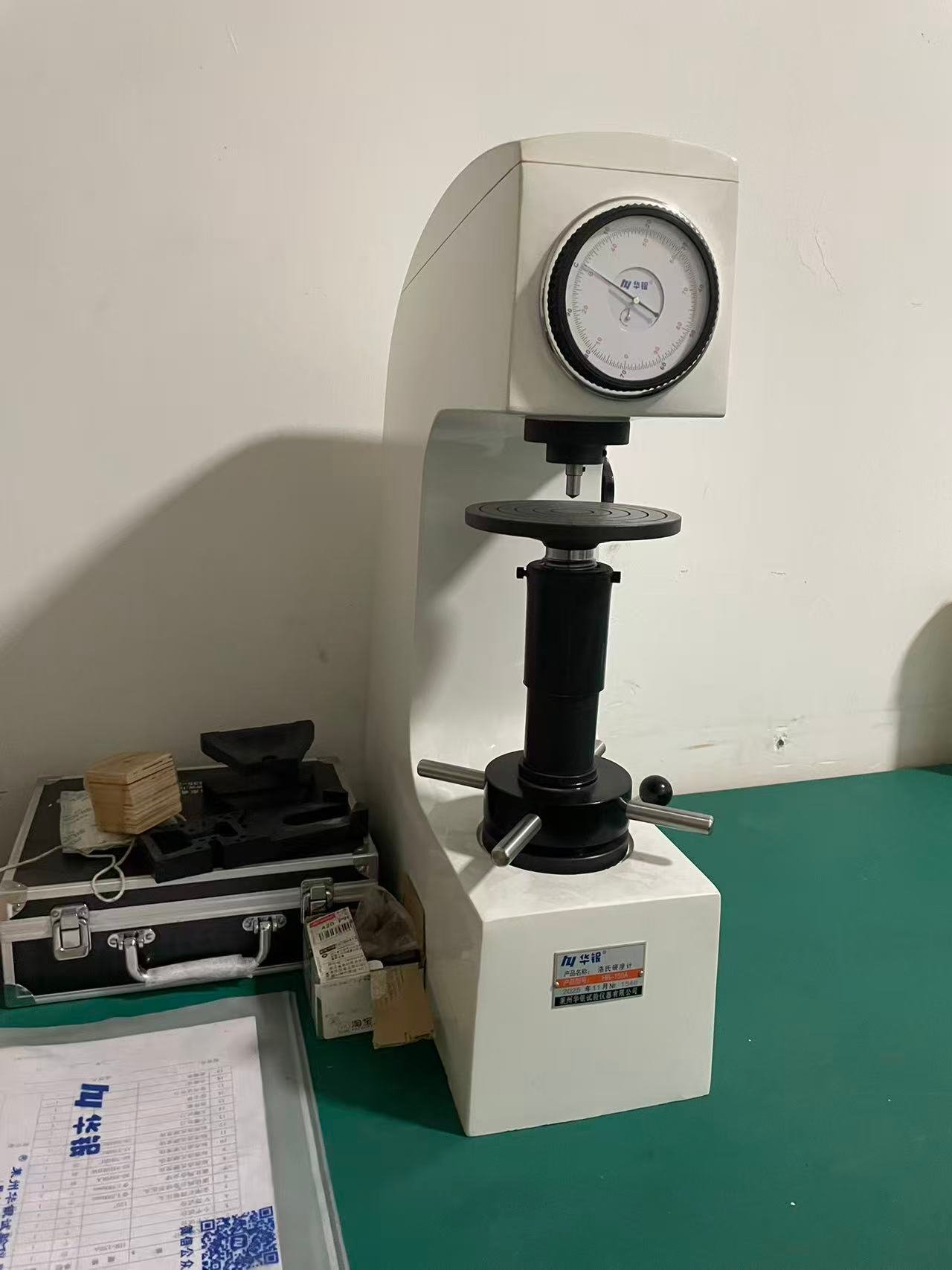
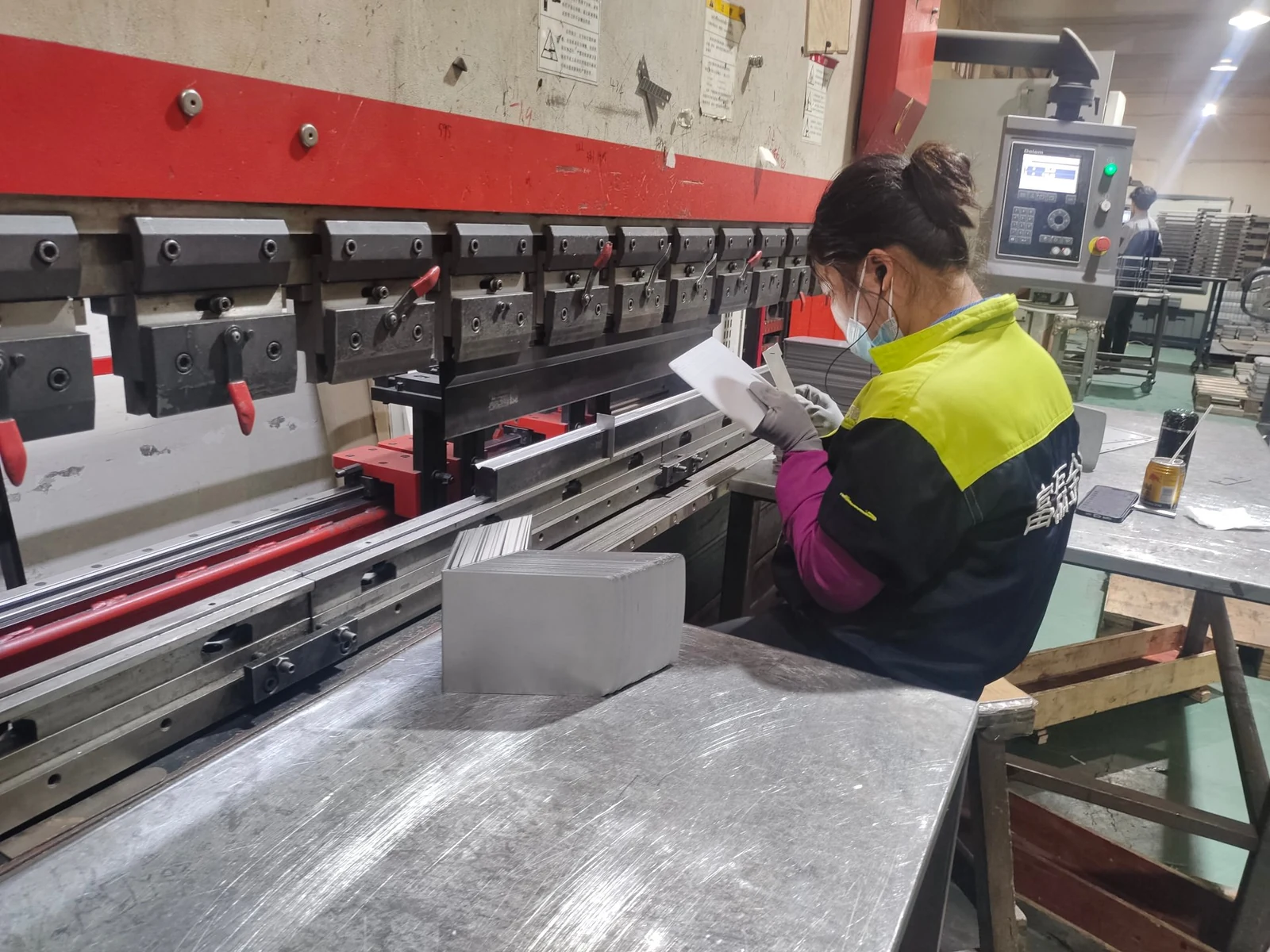
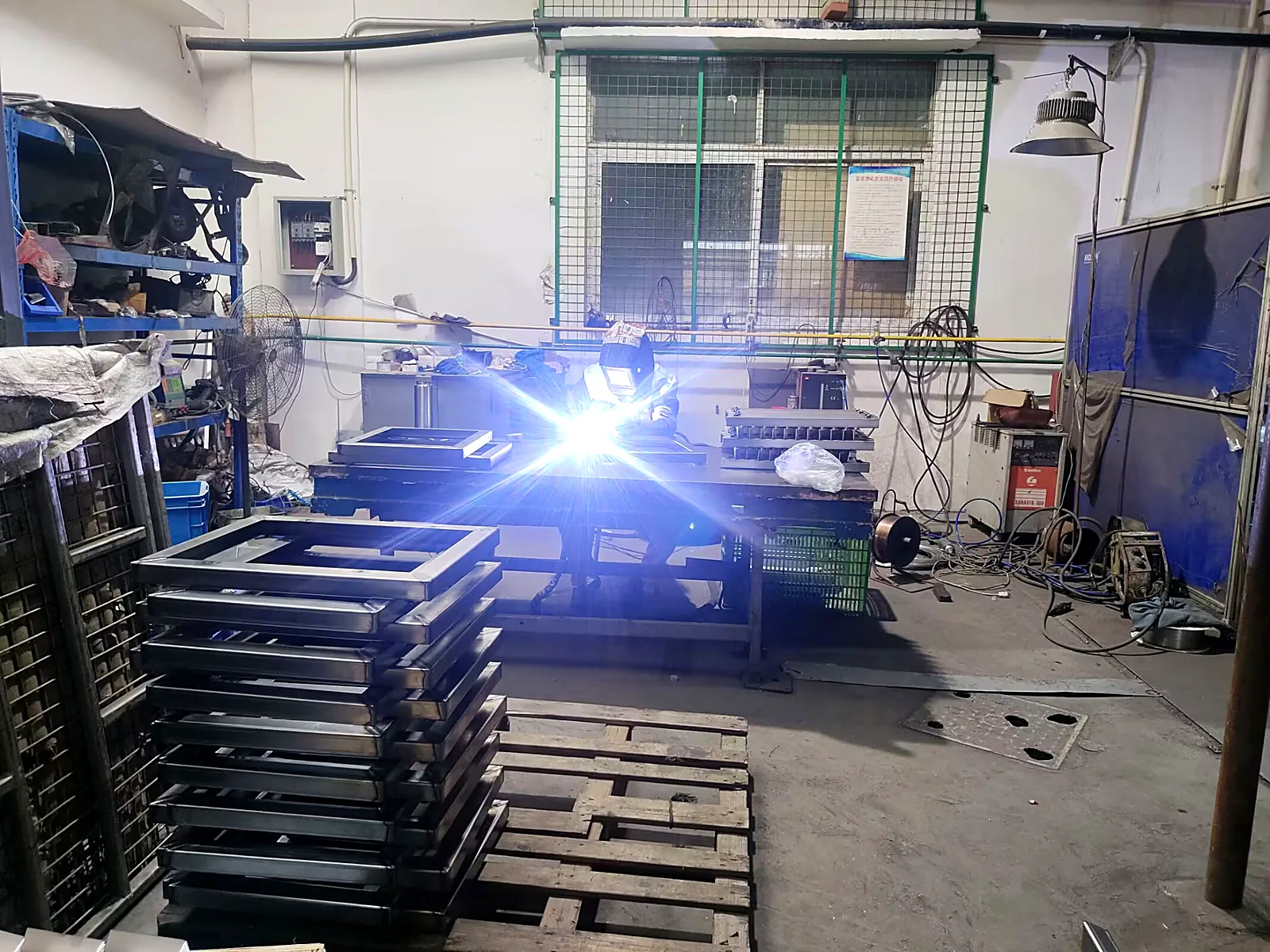
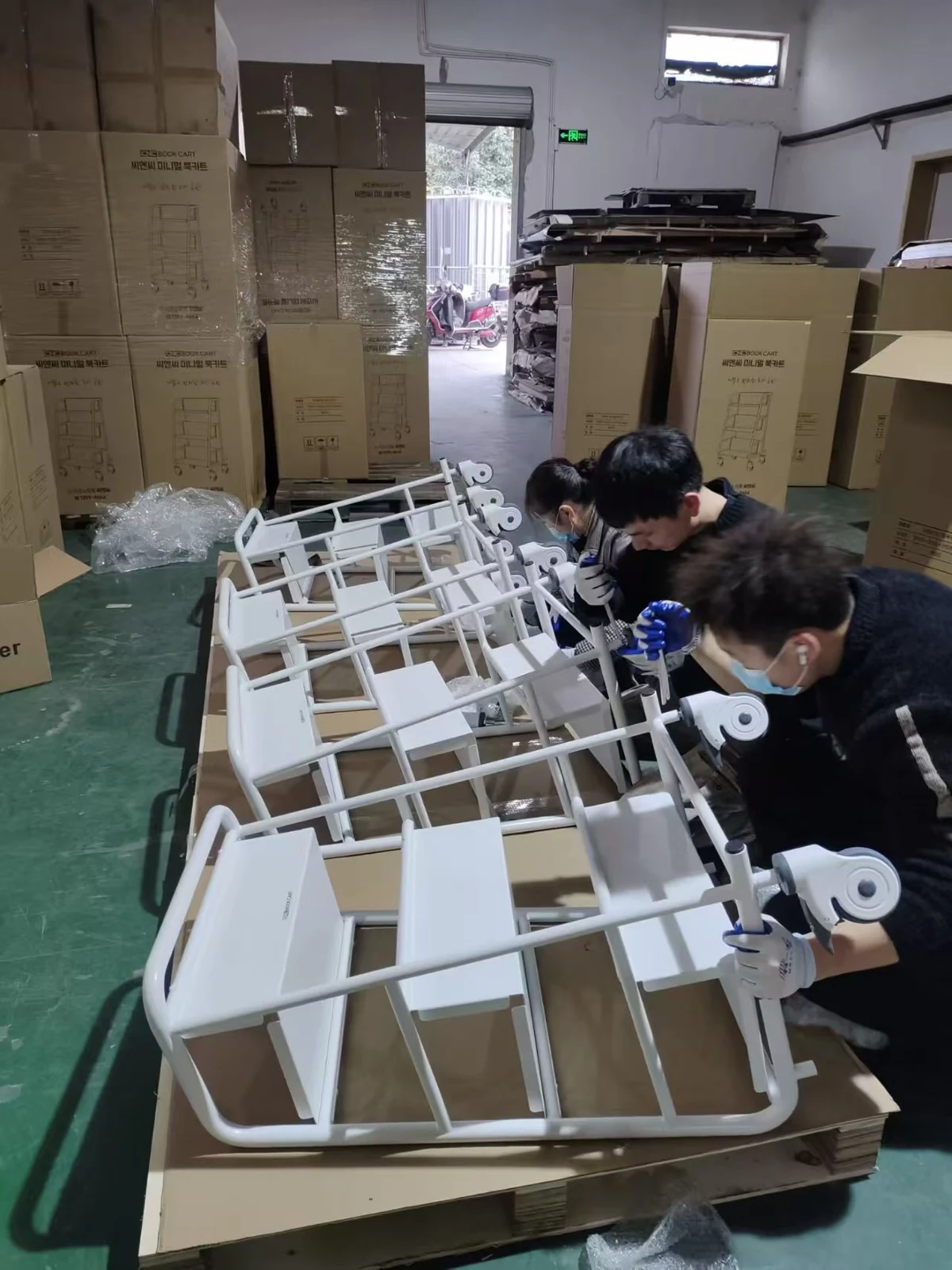
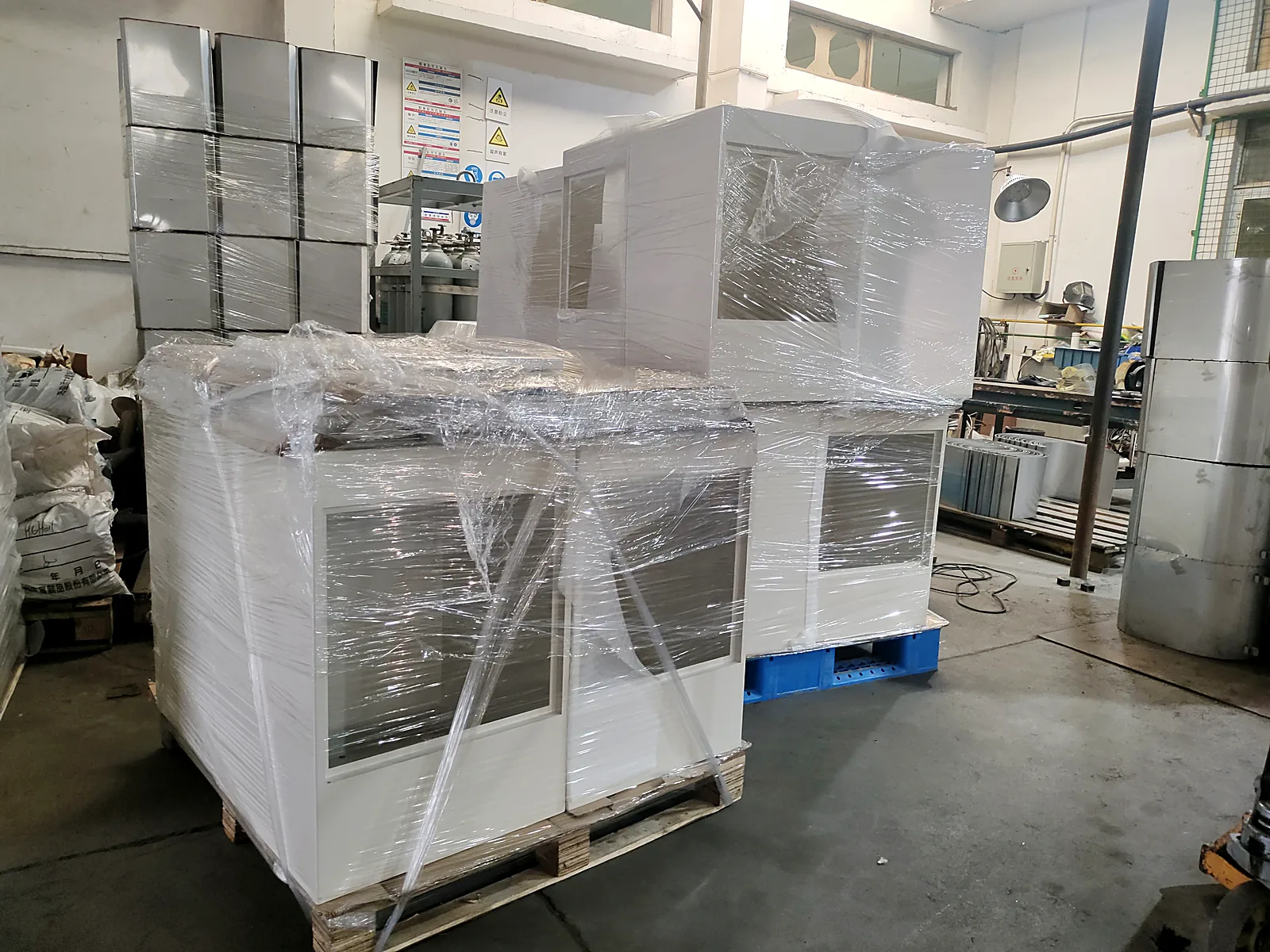
Cutting, bending, welding and finishing all happen in our own workshop, and we verify material and dimensions in house. The sample is the point where the design stops being a drawing and becomes a machine you can test on your own court.
Your Design Stays Yours
We treat customer drawings and designs as confidential by default, and we do not show one customer’s machine to another. No confidentiality agreement is needed to discuss a project. We are an independently audited factory (Bureau Veritas report MIC-ASR263630, dated 2026-10-09). We state what we can verify and do not claim certifications we do not hold.
Why We Ask About the Operation Before the Drawing
When a buyer asks for 500 units, the temptation is to price the drawing and move on. We do the opposite, because the drawing usually describes what the machine looks like, not how it will be used. How many balls go on court at once? Who empties the hopper, and how often? Does the trolley live outdoors, in a shed, or in a locked room with limited clearance? The answers change the capacity, the caster specification, the finish and the packing — and each of those choices repeats five hundred times.
This is also how we find out whether a lower-cost design would serve the buyer better. If the collection volume is small, a simpler hopper may do the job and save money across the whole order. If the surface is delicate, brush tension matters more than capacity. We would rather have that conversation at the start than build 500 units of the wrong machine efficiently.
What We Need From You to Move Forward
A useful brief for a project like this is short: the quantity, the surface type, the working volume, any reference images, and the constraints you already know about — storage size, gate width, or a target price if the budget is fixed. You do not need a complete CAD package to start. What you need is a clear account of the problem the machine is meant to solve, and a willingness to answer follow-up questions.
We treat customer designs as confidential by default and do not show one buyer’s machine to another. No confidentiality agreement is needed to discuss a project. We are an independently audited factory — Bureau Veritas report MIC-ASR263630, dated 2026-10-09 — and we state what we can verify rather than claiming certifications we do not hold.
Have a Project Like This?
Send us the court surface, your ball volume, the quantity and any reference images. We will tell you which questions we need answered first — and give you an honest quote and lead time once they are.
Who We Are
Doing Metal is the trolley-focused manufacturing site of Ningbo Fulei Metal Products. Founded in 2016, we build custom metal trolleys in our own workshop — from a drawing, a photo or just a clear idea of the job.
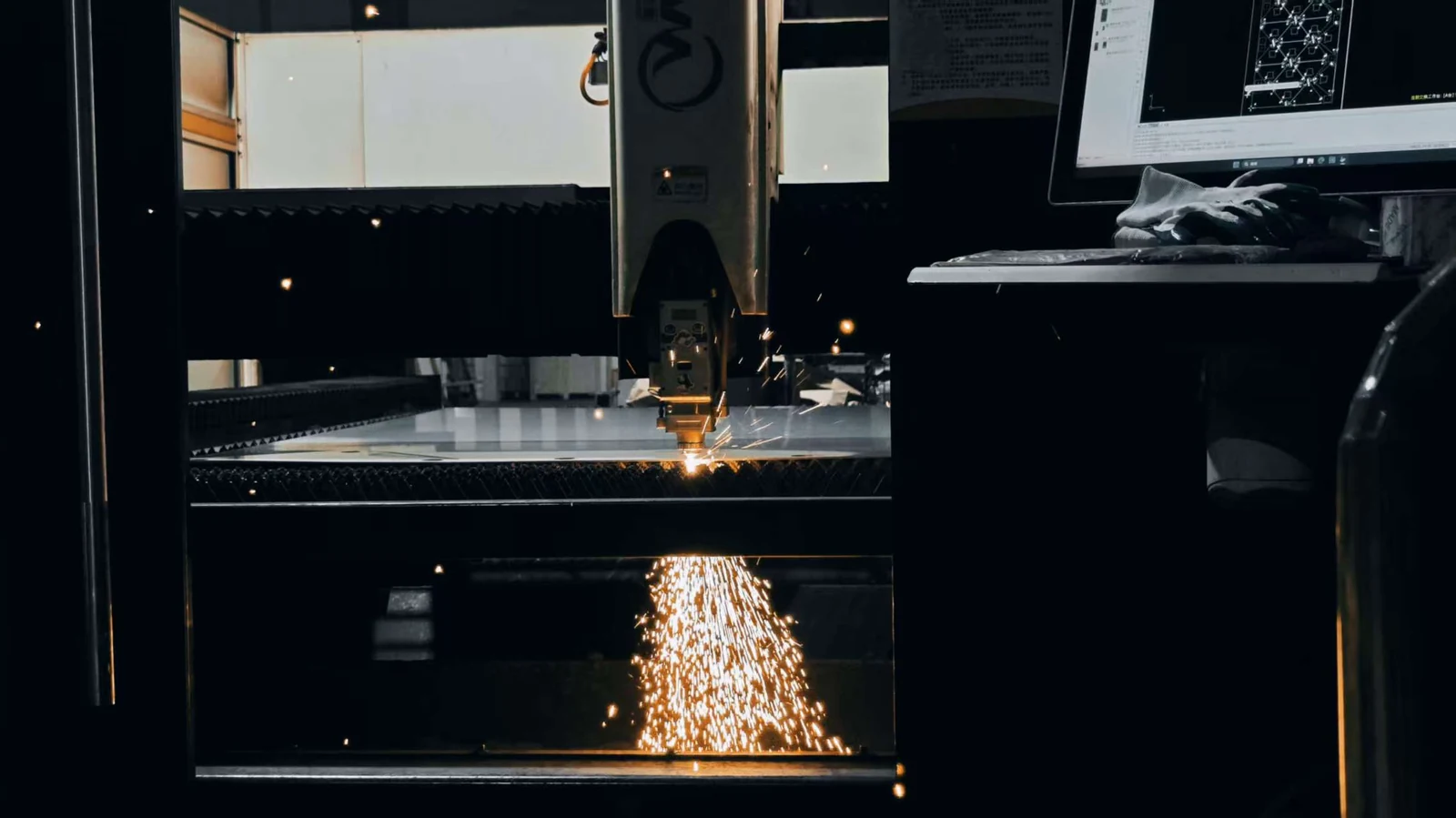
Our Ningbo floor handles the full route in house: laser cutting, CNC bending, welding and riveting, leveling, powder coating, assembly and inspection. One team, one drawing, one accountable partner — from the first sample to a controlled repeat order.
We are an independently audited factory (Bureau Veritas report MIC-ASR263630) and we state our credentials plainly.
Get to know us →Have a Similar Trolley Project? Send It for Review
Send your trolley type, load capacity, size, wheel requirement, quantity, and drawings or reference photos. Our team will review the structure and reply within 24 hours on business days.
Urgent project? Email gao@doingmetal.com or WhatsApp +86 18158549983.