November 16, 2026
Tennis Ball Picker Trolleys: Built to Order
Why Picking Up Balls Is the Most Expensive Job on Court
On a busy tennis facility, collecting balls after a session is pure labour with nothing to show for it. A court that holds 60 balls can take a staff member several minutes to clear, and doing that between every session across six or eight courts adds up to a real cost every week.
A good ball picker gives that time back. The problem is that courts differ — surface, ball volume, storage space, who is pushing it — and a machine that suits one club is awkward in another. That is why most of the pickers we build are made to order rather than pulled from a catalogue.
Picker or Trolley — Two Different Machines
Buyers often use “ball picker” to mean two different things, and it is worth separating them before you specify anything.
- Roller (sweeper) pickers use a rotating brush or roller to sweep balls off the surface and into a collection chamber. They are fast on flat courts and save the most labour, but they need the right brush tension for your surface — too aggressive on clay or a soft court and you will move more than the balls.
- Collection trolleys and hoppers are pushed or pulled by hand and gather balls through a wide scoop or a slatted intake. Simpler, no drive mechanism, usually cheaper, and often the better choice where balls are already gathered into a pile or where the surface is delicate.
Some facilities want both: a roller to clear the court and a trolley to move the balls to storage. We can build either, and we will tell you honestly which one fits your operation.
The Design Choices That Actually Matter
Intake width and collection capacity
These two set how many passes it takes to clear a court and how often someone has to empty the machine. Both should be matched to your court size and ball throughput — bigger is not automatically better if the loaded machine becomes too heavy for your staff to push.
Surface and brush / scoop contact
Clay, hard court and artificial turf behave differently. On clay, aggressive contact disturbs the surface; on hard court, a light sweep is enough. Tell us your surface and we will specify the contact and clearance accordingly.
Frame, hopper and finish
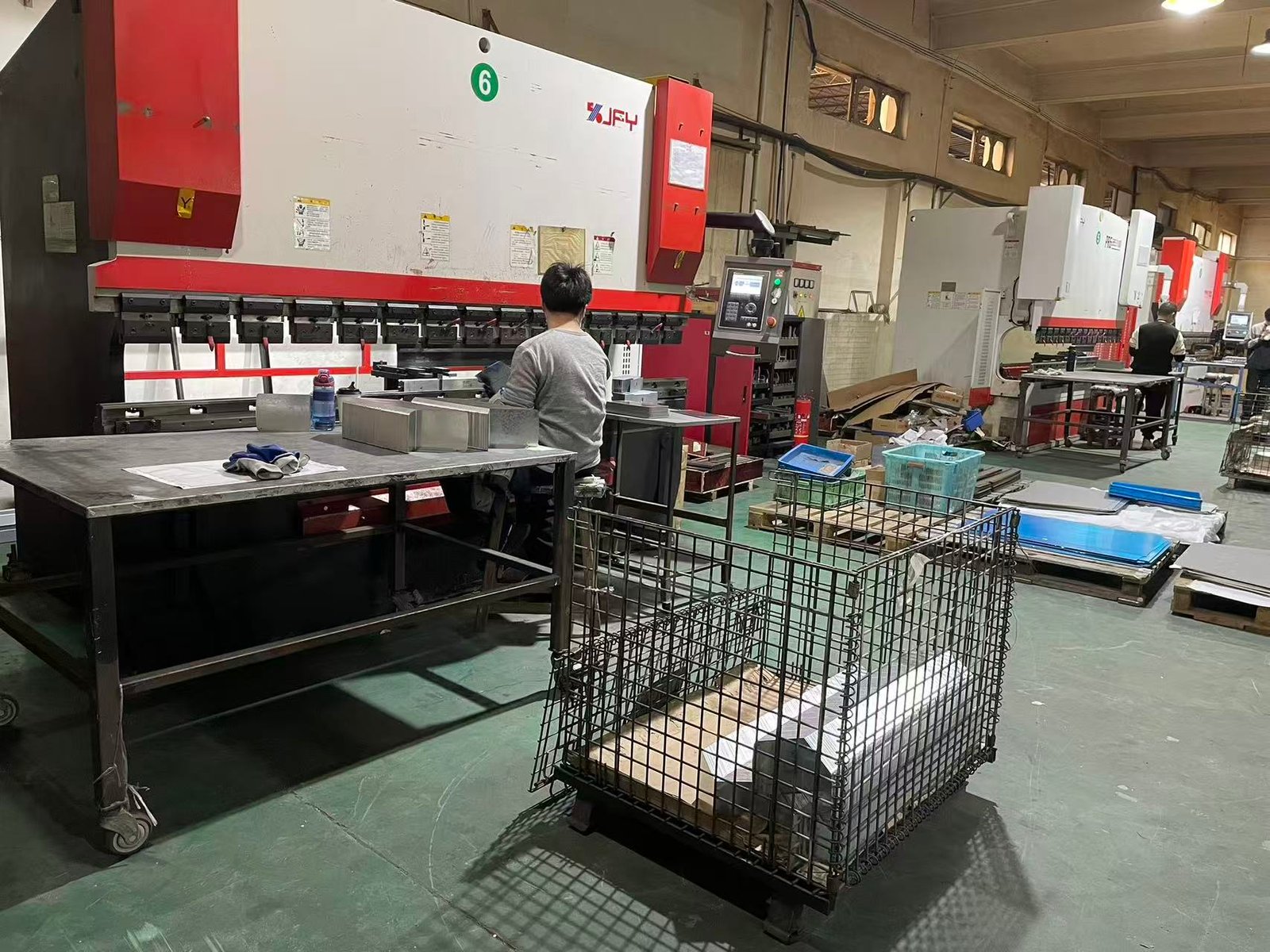
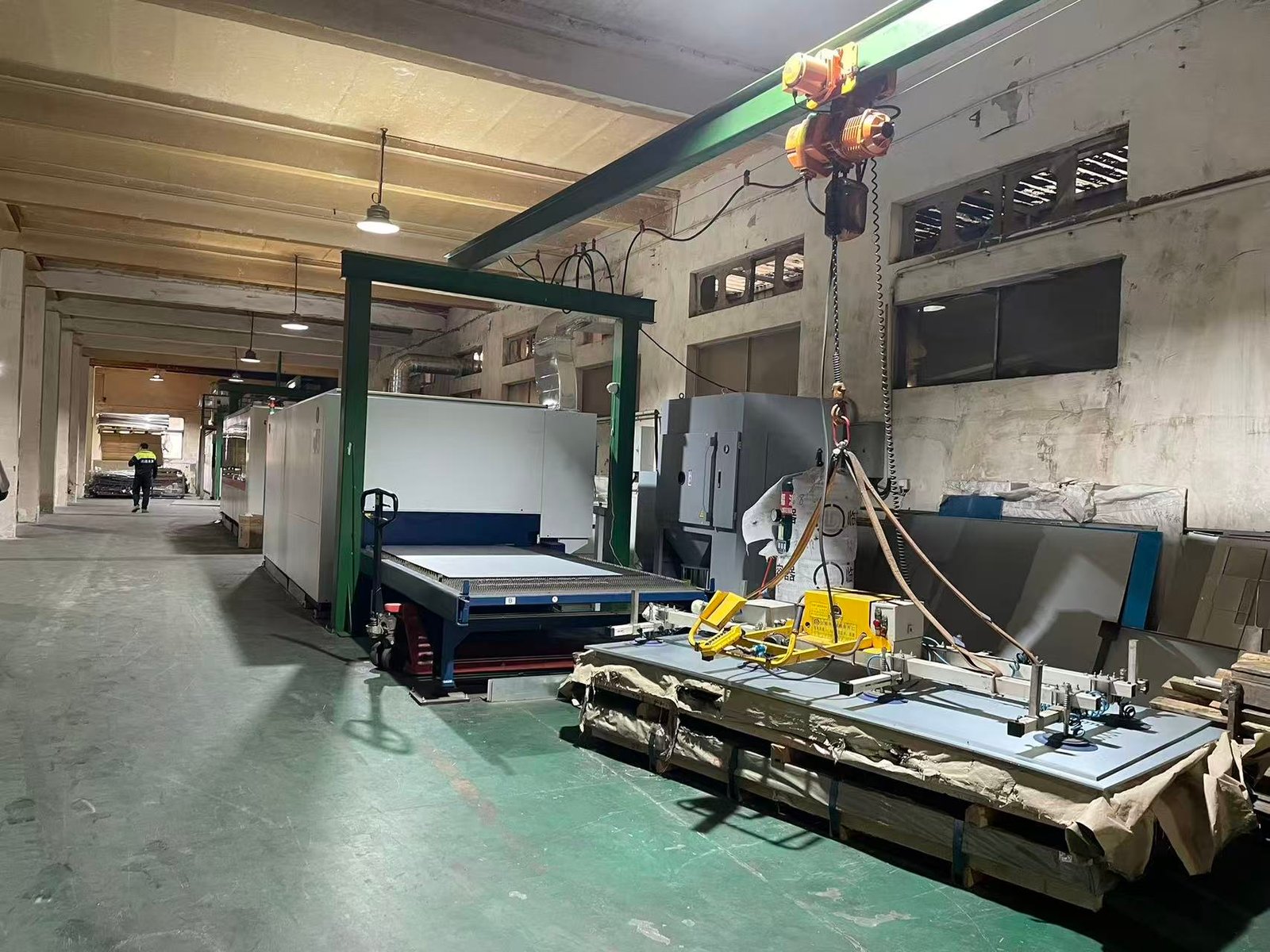
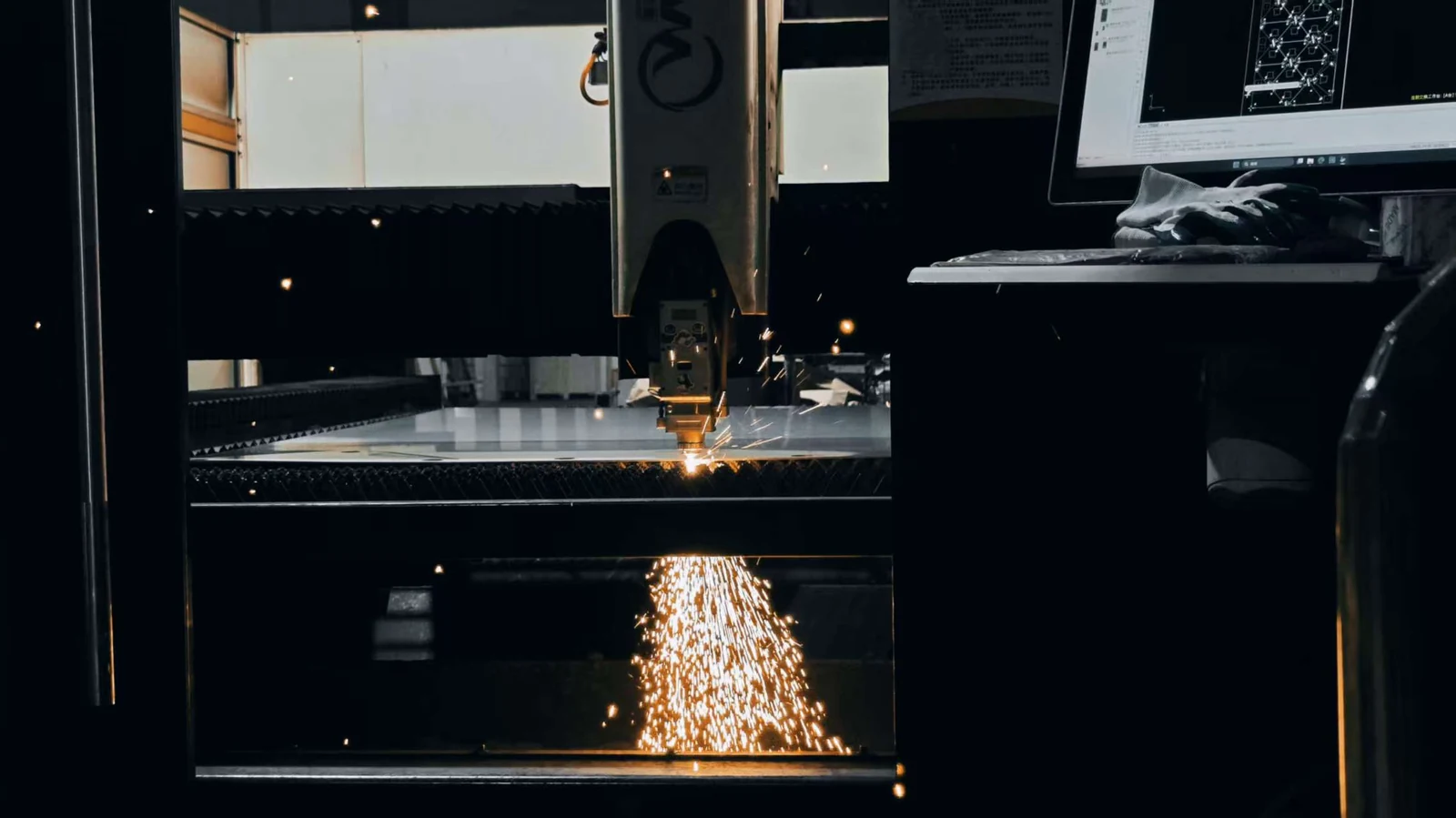
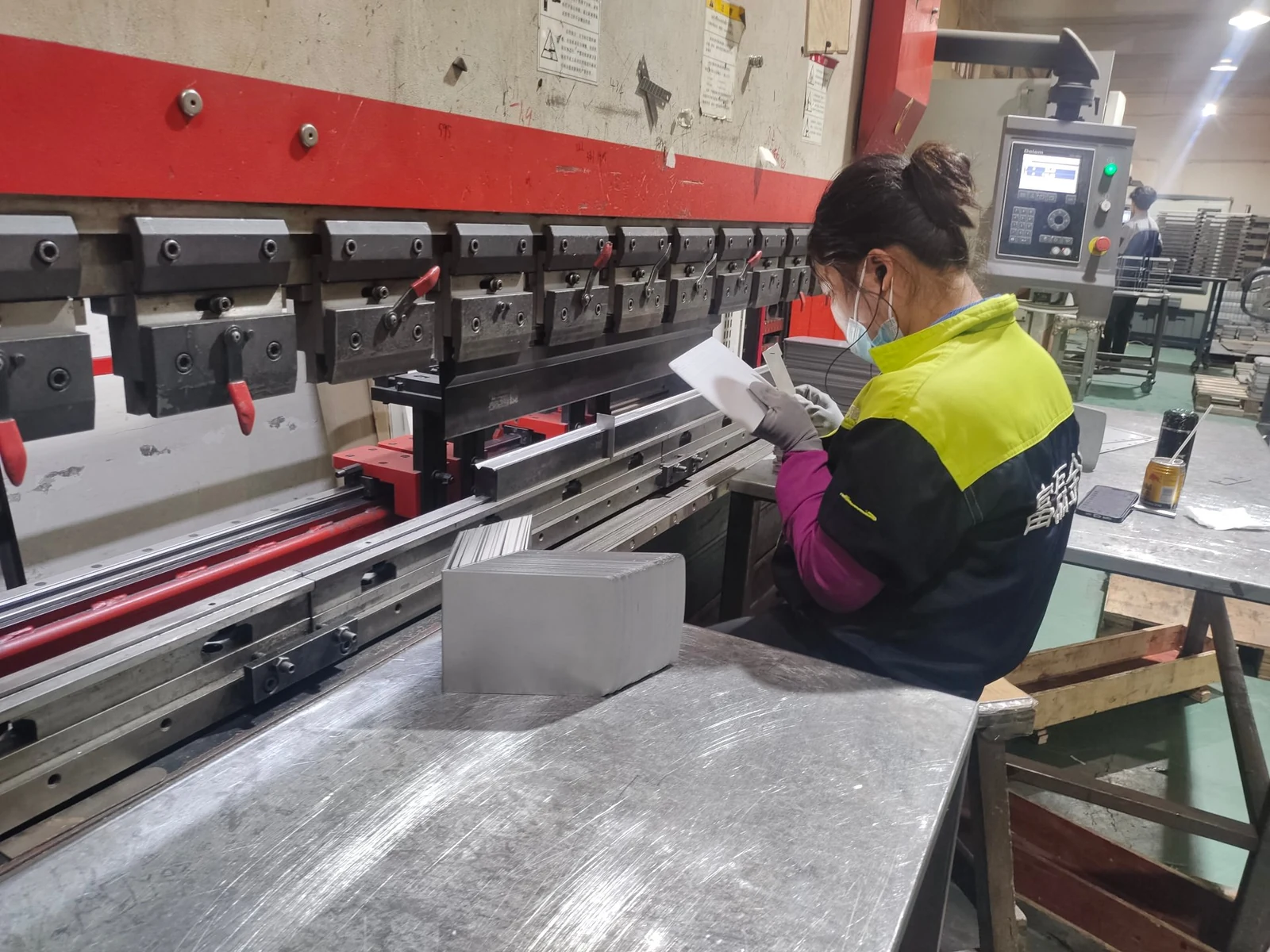
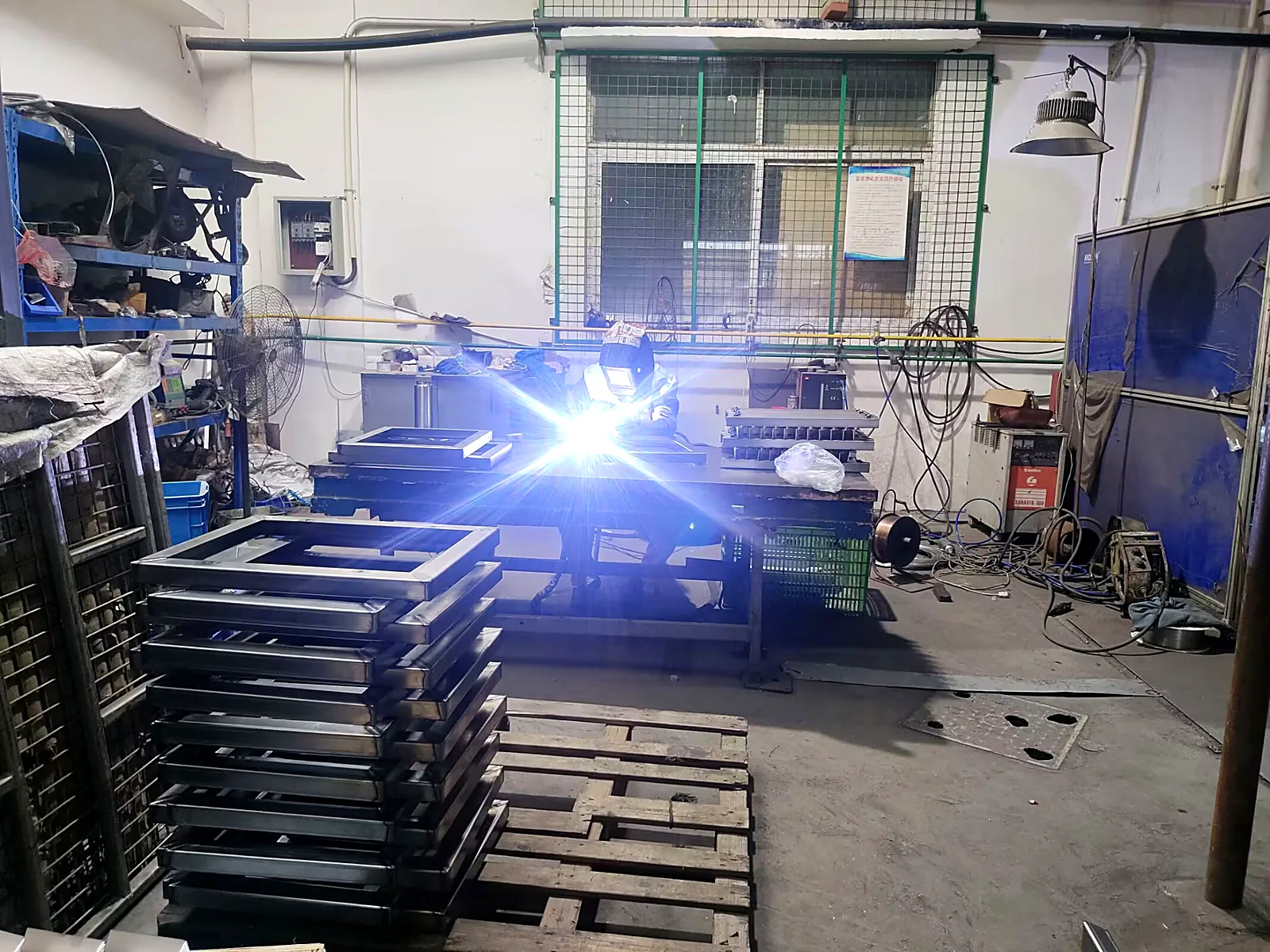
Frames are laser cut and CNC bent from sheet or tube, then welded. The ball chamber can be a mesh basket, a folded sheet hopper, or a fabric bag on a frame, depending on capacity and how you want to empty it. Powder coating is the usual finish; stainless is available where the equipment is washed down or used outdoors.
Casters and handle
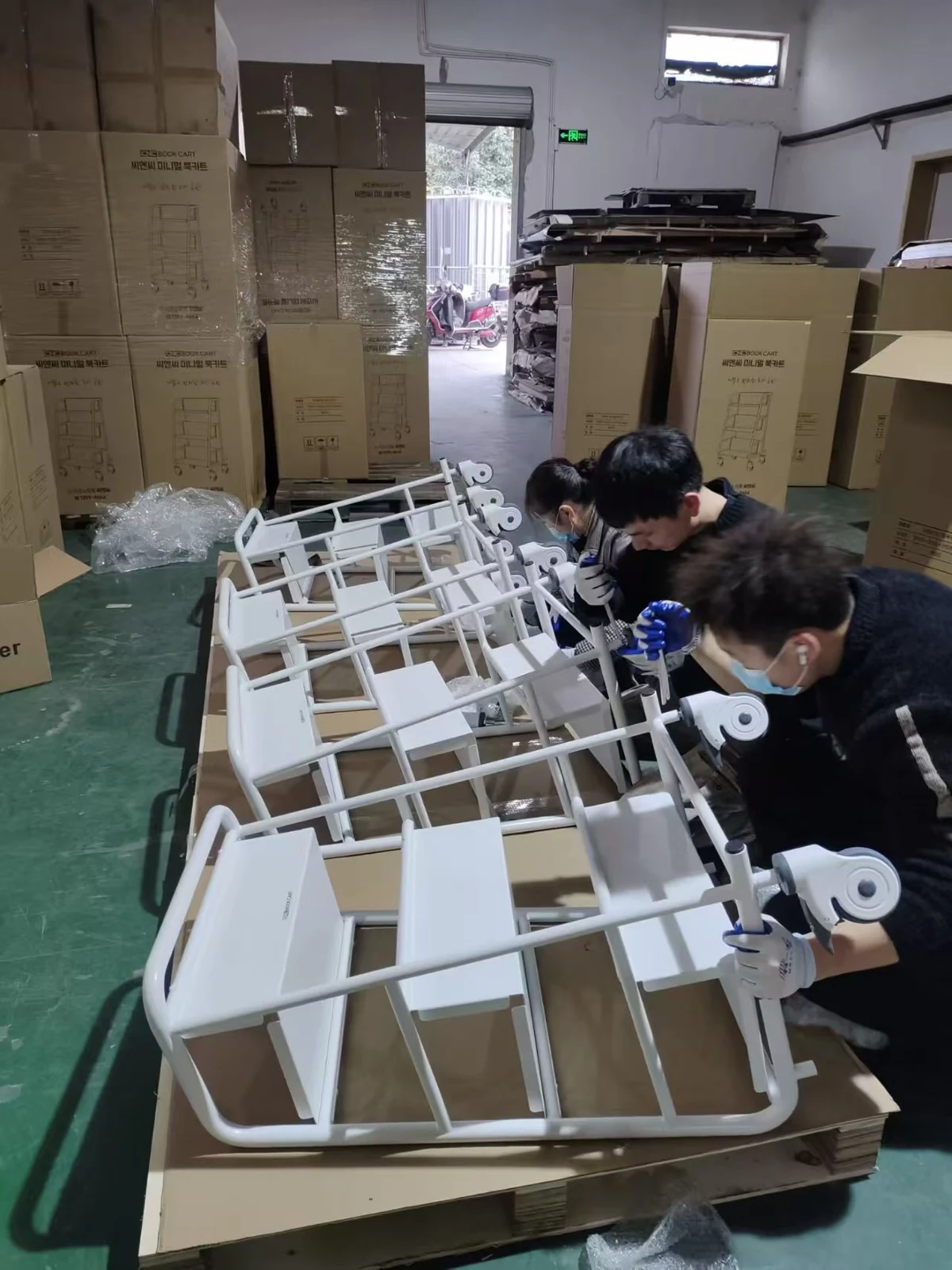
Courts are rarely perfectly smooth, and a loaded picker is front-heavy. We specify casters for the surface — larger wheels roll better over thresholds and uneven paving, and braked wheels matter if the machine is parked on a slope. The handle height and shape should suit the people actually pushing it; that is a detail worth getting right before the frame is welded.
Emptying without lifting
How the balls come out is often the most overlooked detail. A hopper that tips, a drop gate at the base, or a removable bag can turn a two-person job into a one-person job. If your staff currently lift the collector to empty it, tell us — we can usually design that out.
Built Around Your Court, Not a Catalogue
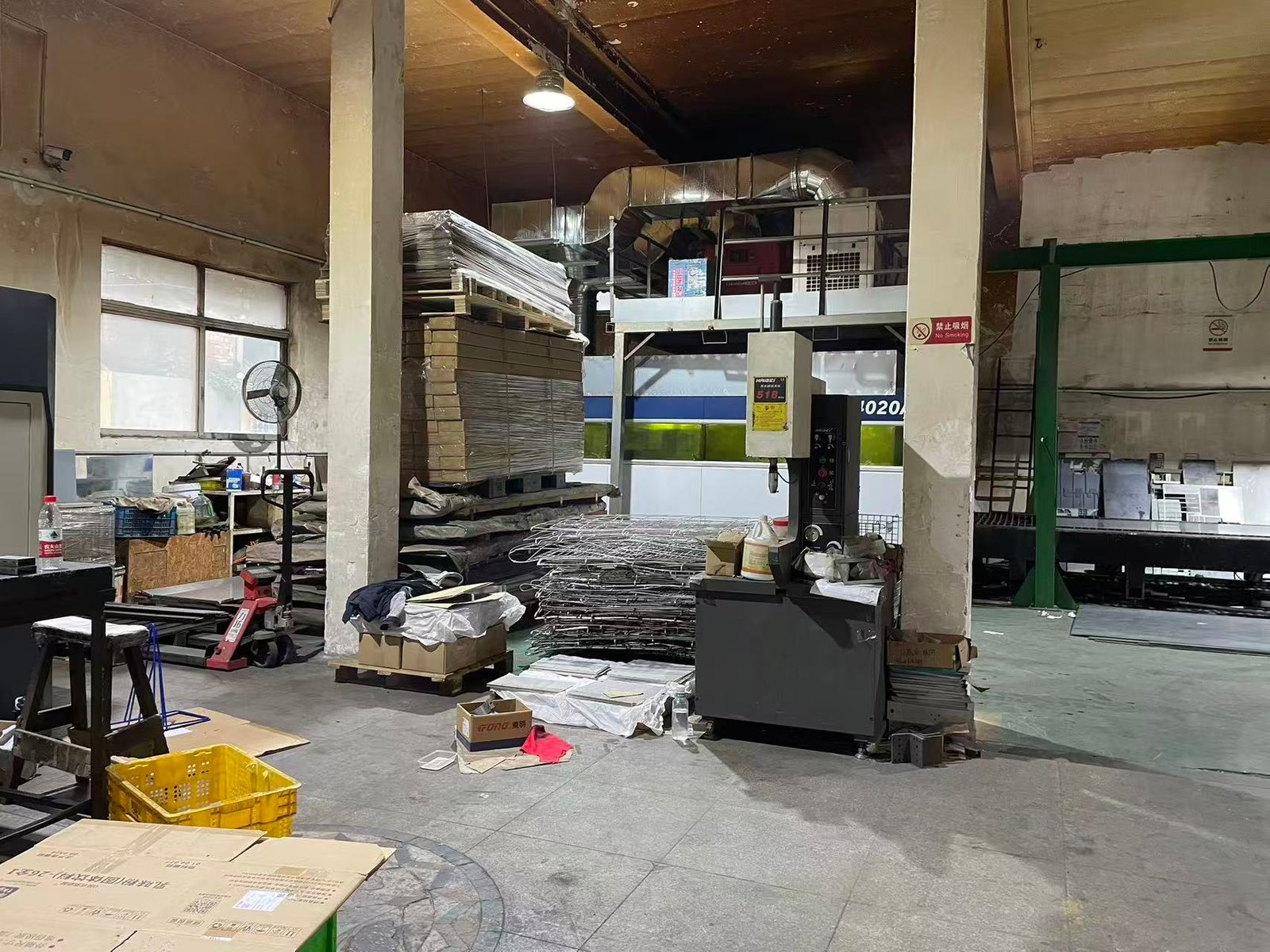
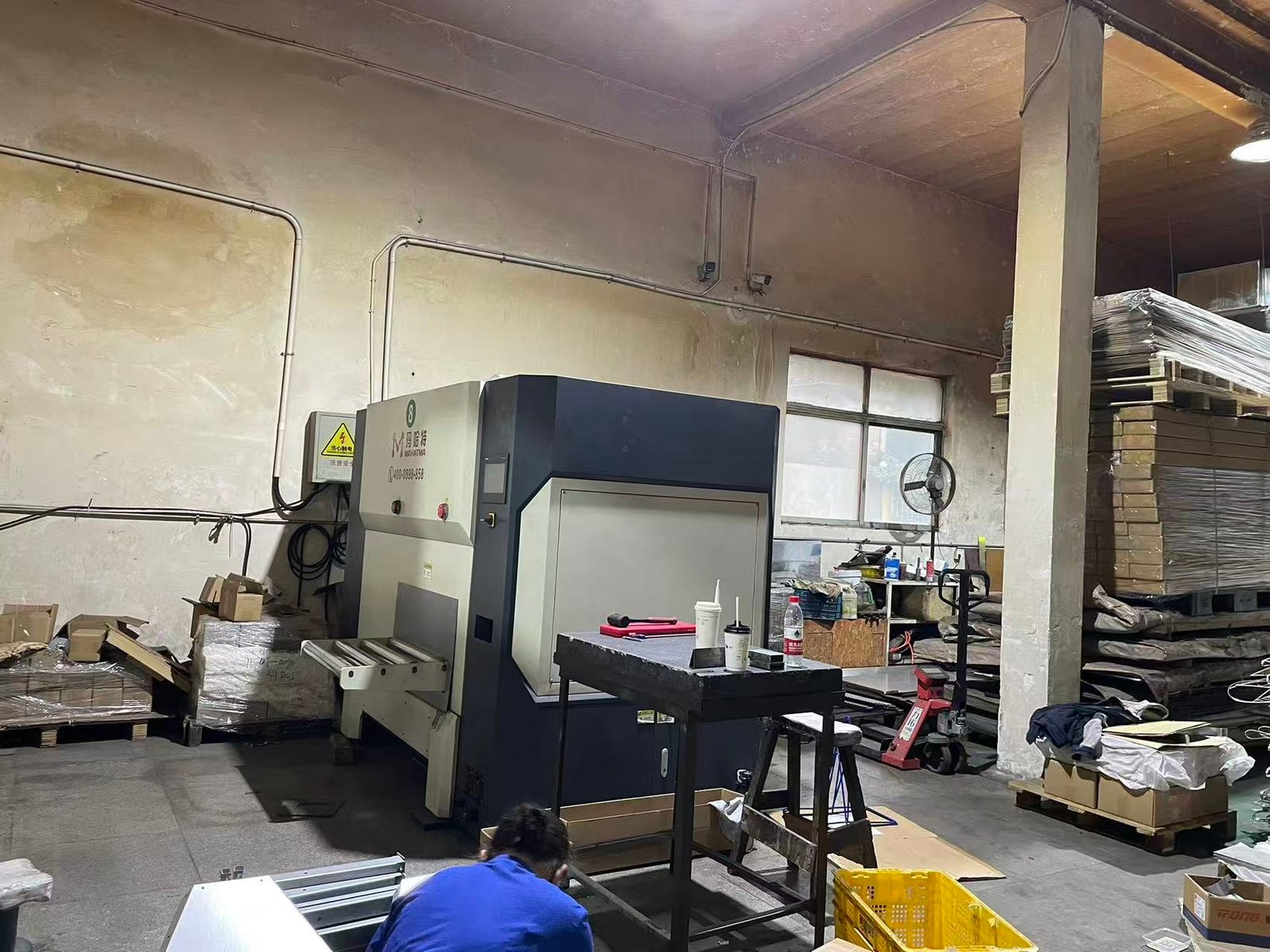
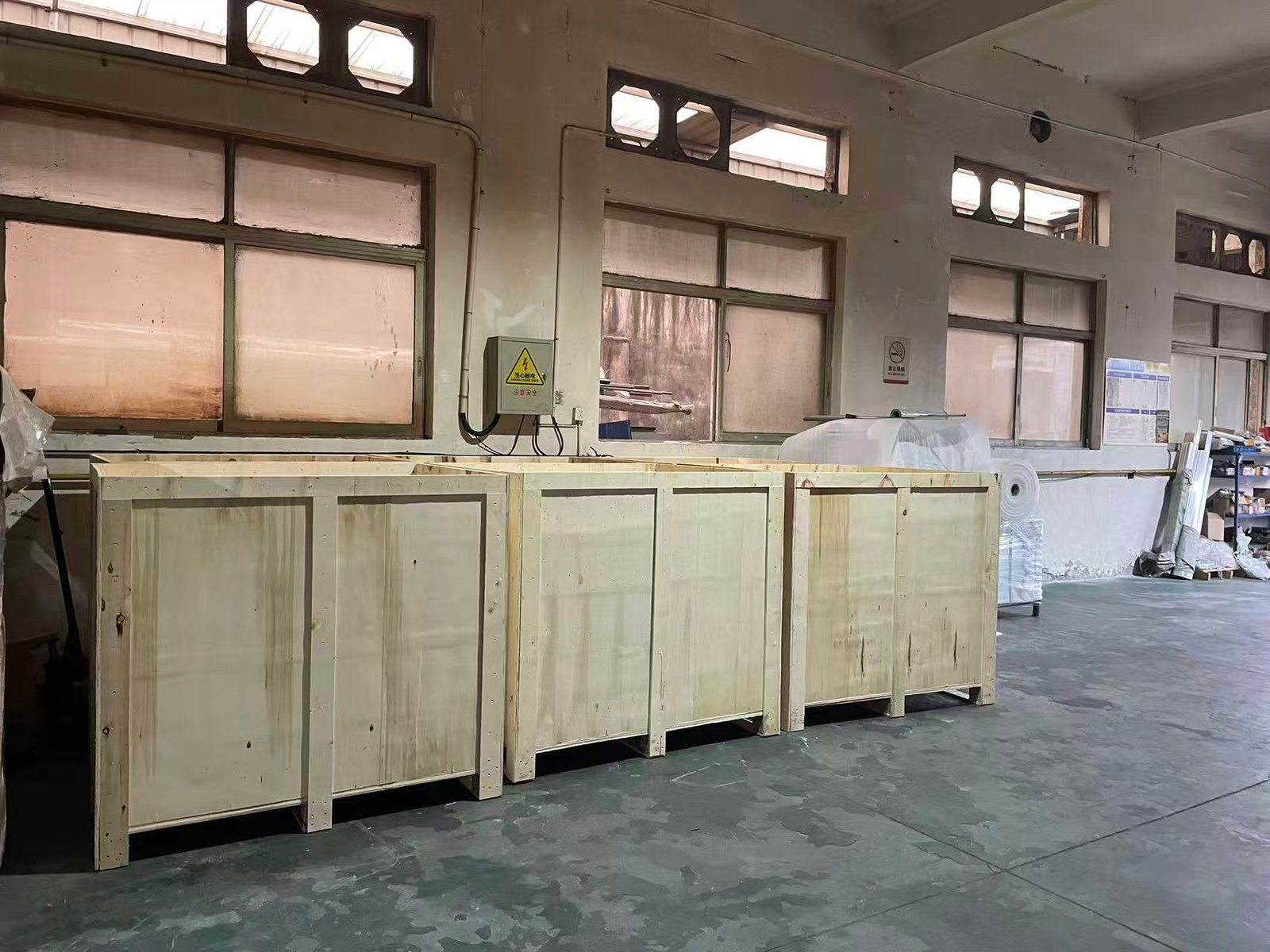
Because cutting, bending, welding and finishing all happen in our workshop, the machine can be built around your constraints: the width of your gate, the height of your storage rack, the height of the staff who use it, or a size limit for shipping. A change to the handle or the hopper is made on the floor the same day rather than sent to a subcontractor.
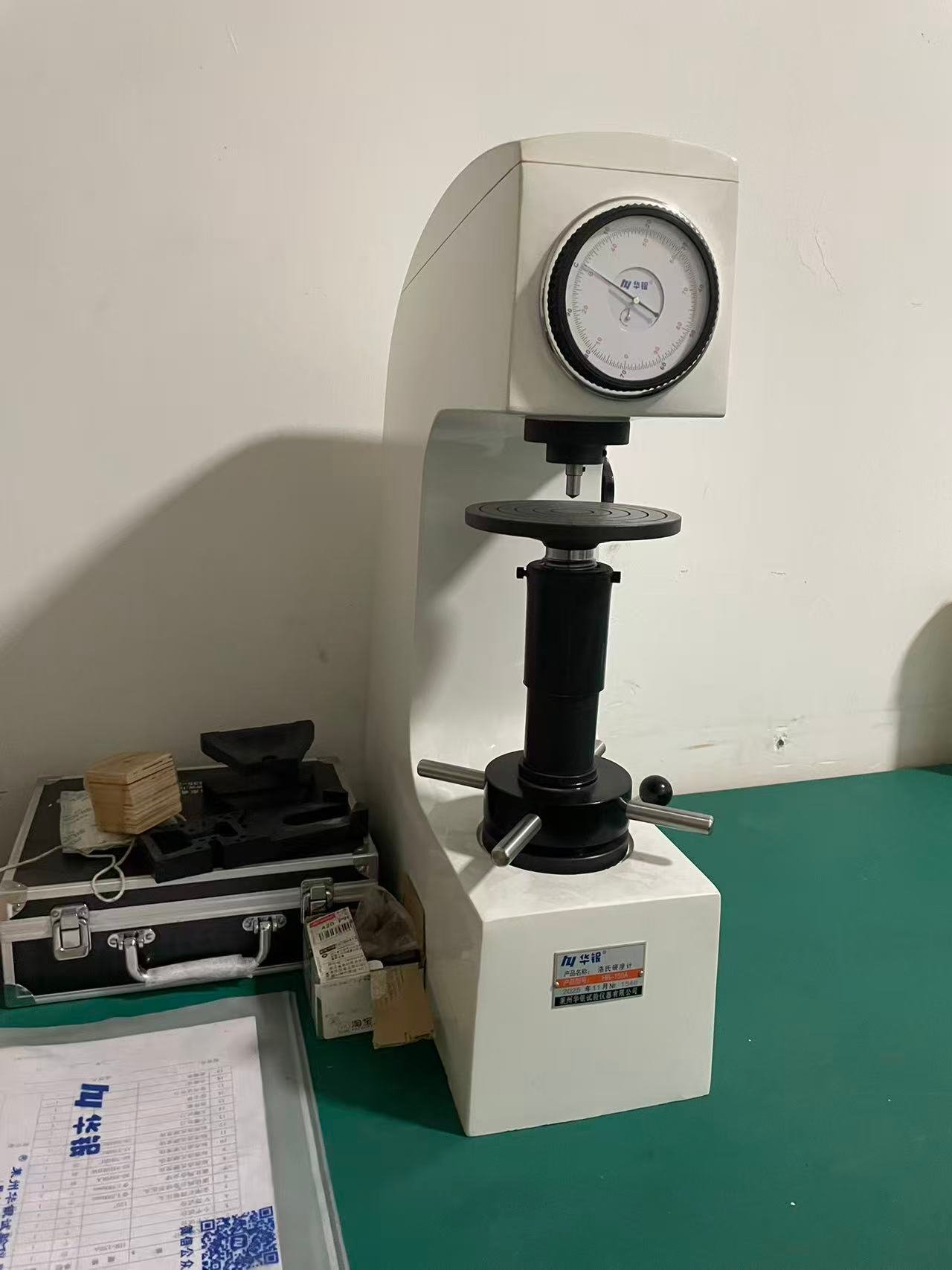
We also check material and dimensions in house — hardness on our Rockwell tester, first-article dimensions on each setup — so the machine that arrives is the one that was drawn.
From a Sketch to a Working Sample
Most buyers come to us with photos of a machine they have seen and a note about what they want to change. That is enough to start. If you have a CAD drawing, samples are typically ready in 10–15 days; if we produce the drawing, allow 15–20 days. We can produce a drawing from a concept, but we recommend you supply your own where possible — it is faster and keeps the design under your control. Drawing work is quoted case by case (typically starting around USD 1,000 and ten days or more), and we deliver a PDF and renders rather than CAD source files.
Your design stays yours. We treat every drawing and design as confidential by default, and we do not show one customer’s machine to another — no confidentiality agreement is needed to discuss a project.
What to Send for a Quote
- Your court surface (clay, hard, turf) and whether it is indoors or outdoors
- Balls per session, and how many courts need clearing
- How the balls will be emptied and where they are stored
- Gate width, storage height and any other size limits
- Photos or a sketch of the machine you have in mind, plus what you want changed
- Quantity — one unit or a run for several sites
We are an independently audited factory (Bureau Veritas report MIC-ASR263630, dated 2026-10-09). We state what we can verify and do not claim certifications we do not hold.
Tell Us About Your Court
Send the surface type, your ball volume and a photo of what you have in mind through the contact form. We will tell you which machine fits, what we would change, and give you a sample lead time and a quote.
Who We Are
Doing Metal is the trolley-focused manufacturing site of Ningbo Fulei Metal Products. Founded in 2016, we build custom metal trolleys in our own workshop — from a drawing, a photo or just a clear idea of the job.
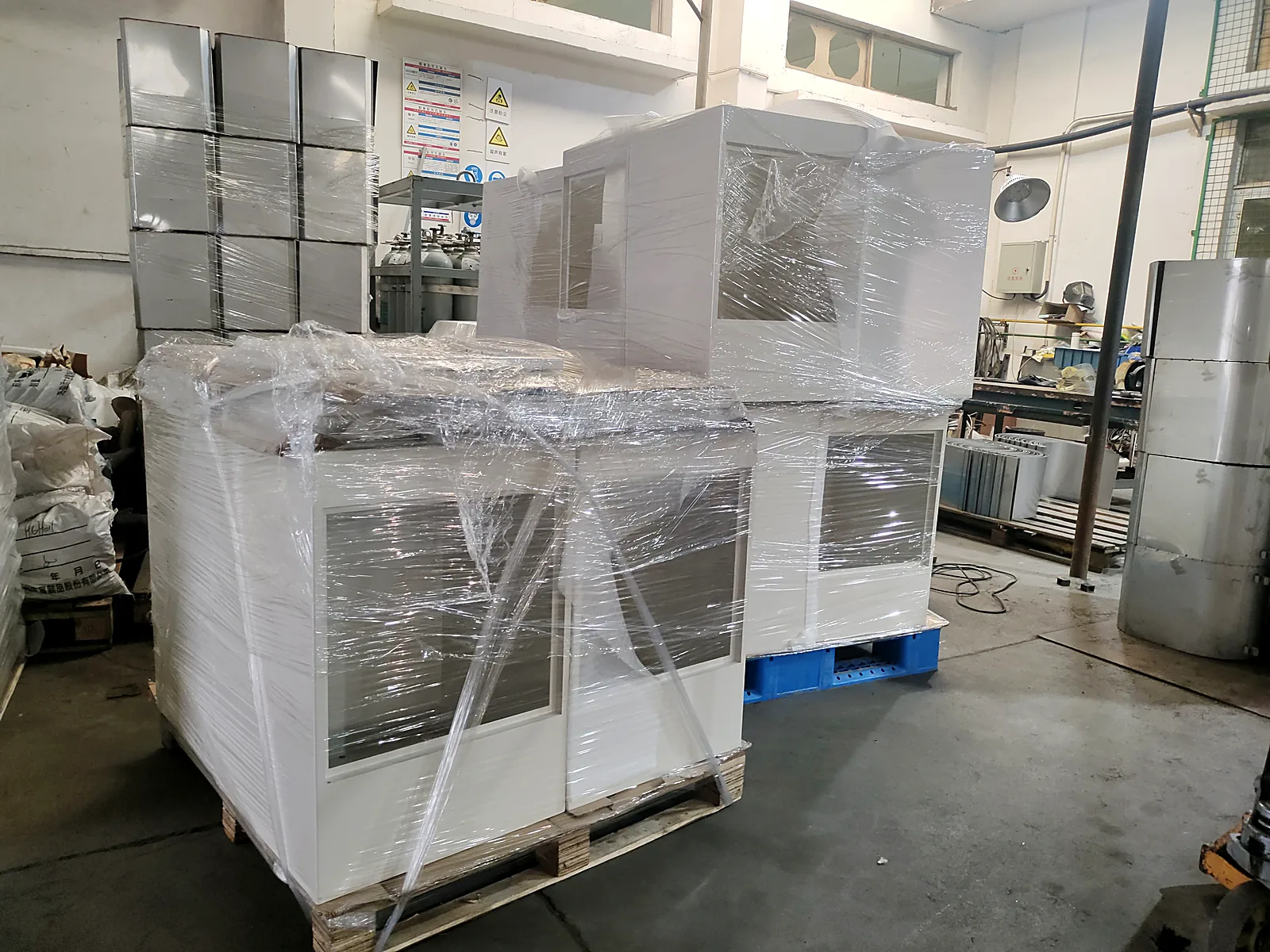
Our Ningbo floor handles the full route in house: laser cutting, CNC bending, welding and riveting, leveling, powder coating, assembly and inspection. One team, one drawing, one accountable partner — from the first sample to a controlled repeat order.
We are an independently audited factory (Bureau Veritas report MIC-ASR263630) and we state our credentials plainly.
Get to know us →Have a Similar Trolley Project? Send It for Review
Send your trolley type, load capacity, size, wheel requirement, quantity, and drawings or reference photos. Our team will review the structure and reply within 24 hours on business days.
Urgent project? Email gao@doingmetal.com or WhatsApp +86 18158549983.