November 16, 2026
Custom Sheet Metal: Your Design Stays Yours
The Part You Send Us Is Not a Catalog Item
A lot of the work we do is custom: a bracket, a panel, a trolley frame, a housing — built to one customer’s drawing for one specific job. That kind of project asks for two things at once. We have to be able to build it accurately, and we have to treat the design as yours alone.
This article is about how we handle both.
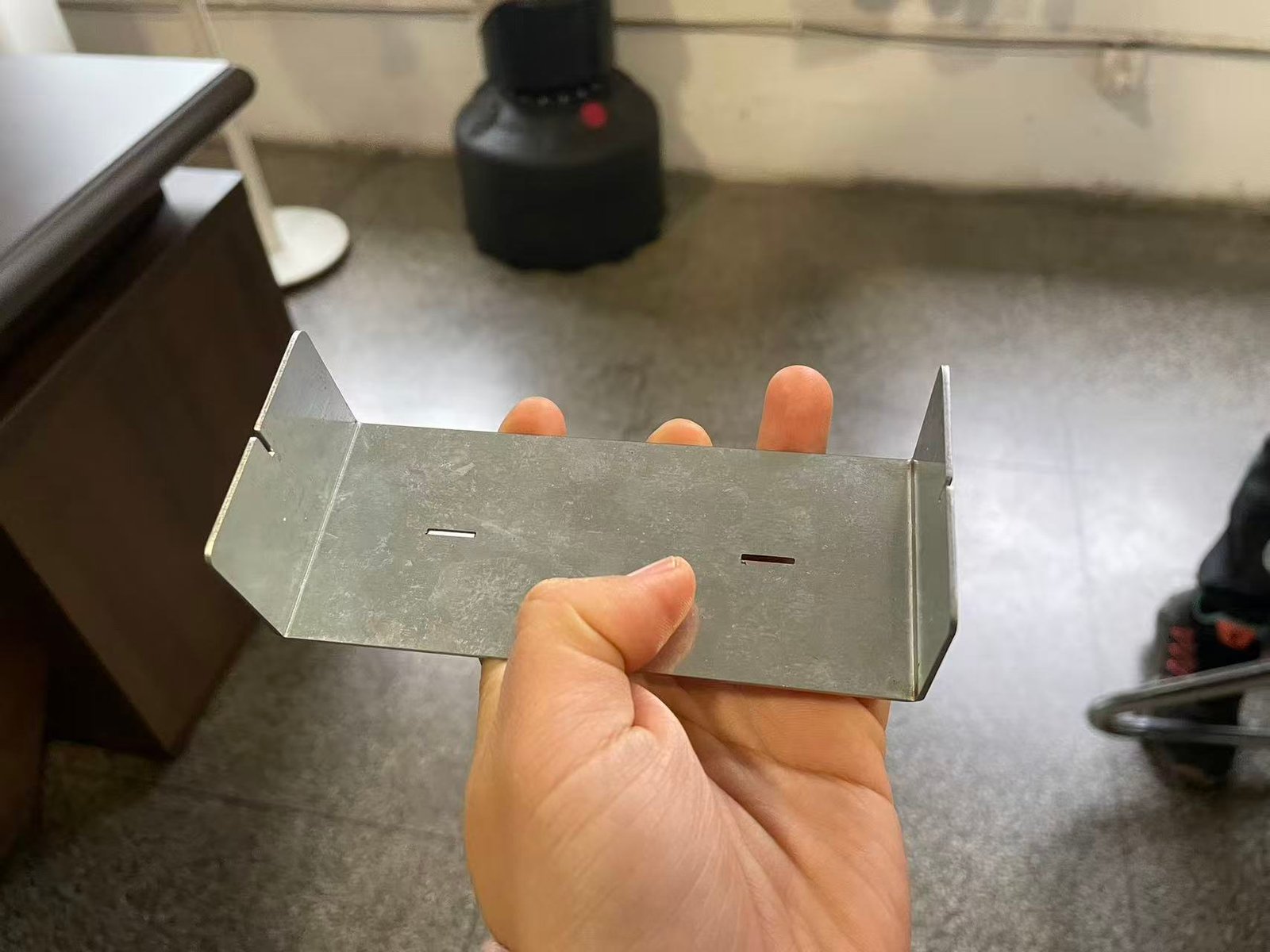
From Your Drawing to a Finished Part
Every custom project follows the same route, and it all happens in our workshop:
- Review: we check the drawing for manufacturability — bend radii, hole-to-edge distances, material and tolerance — and flag anything that will cause trouble before cutting.
- Flat pattern: the 3D part is unfolded into a flat pattern with the right bend deductions.
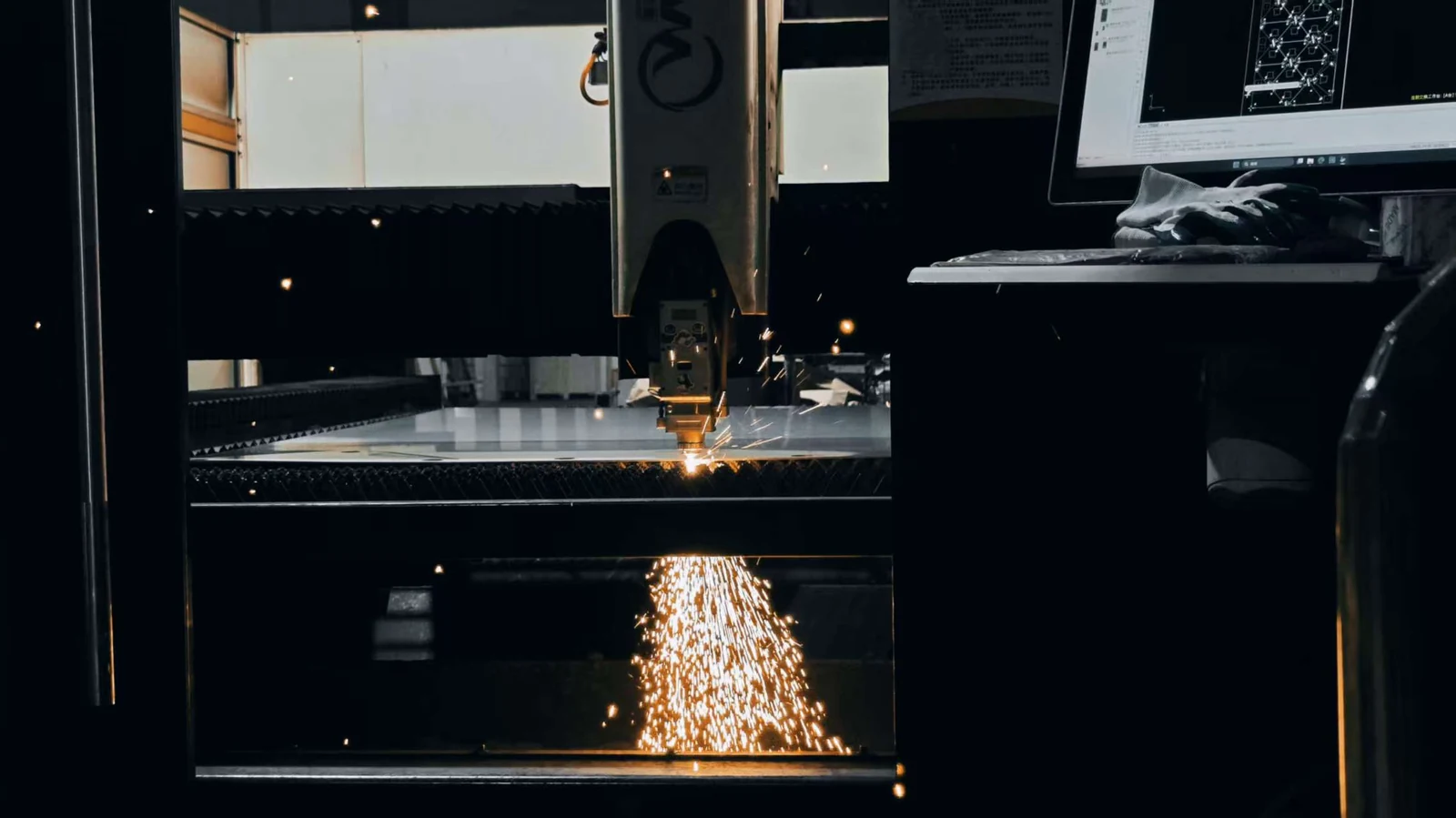
- Laser cutting: flat parts are cut on our own laser machines, with no hard tooling to design or pay for.
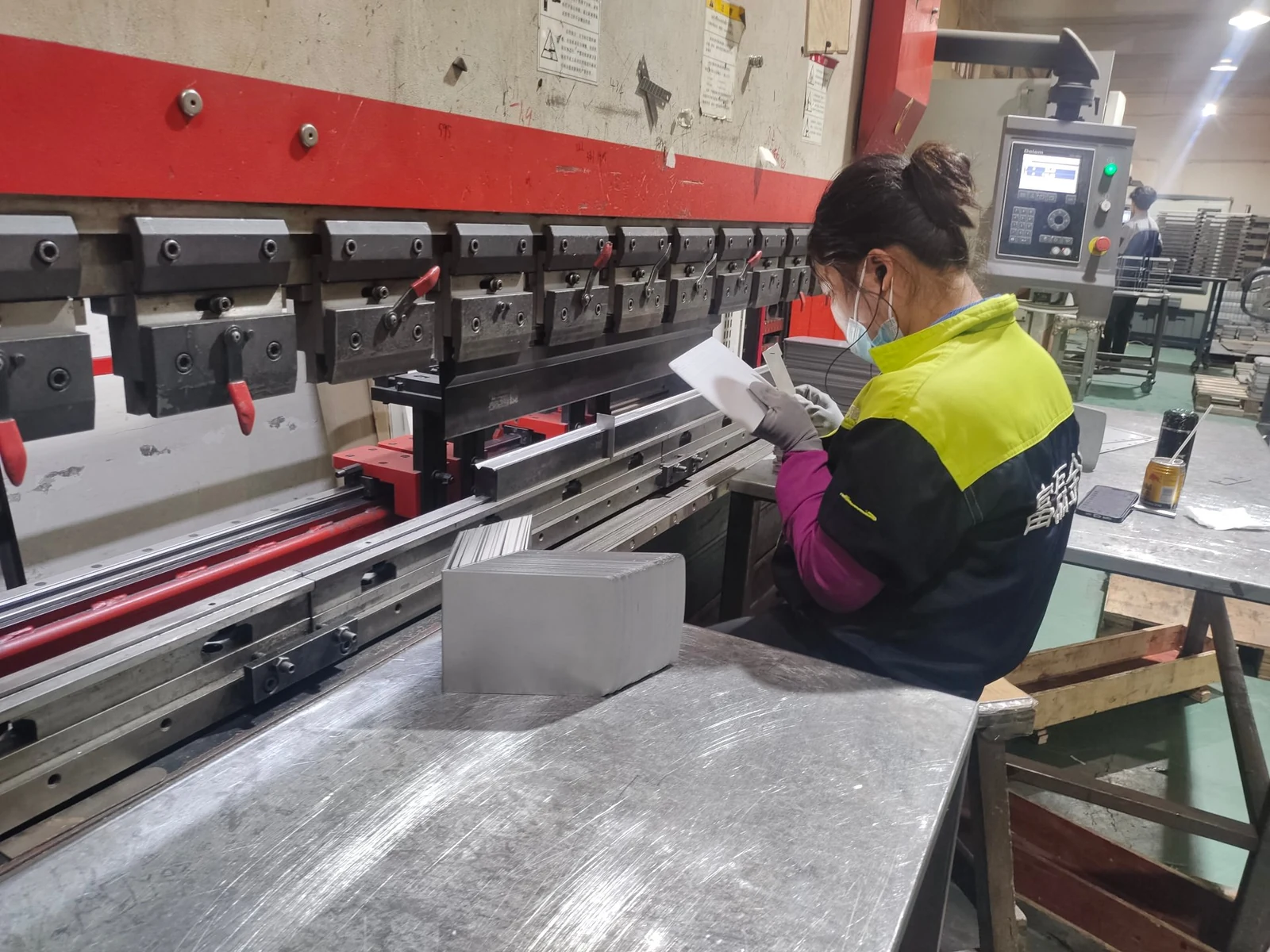
- Leveling and bending: sheet is flattened on our leveling machine, then bent on CNC press brakes with the first article measured against the drawing.
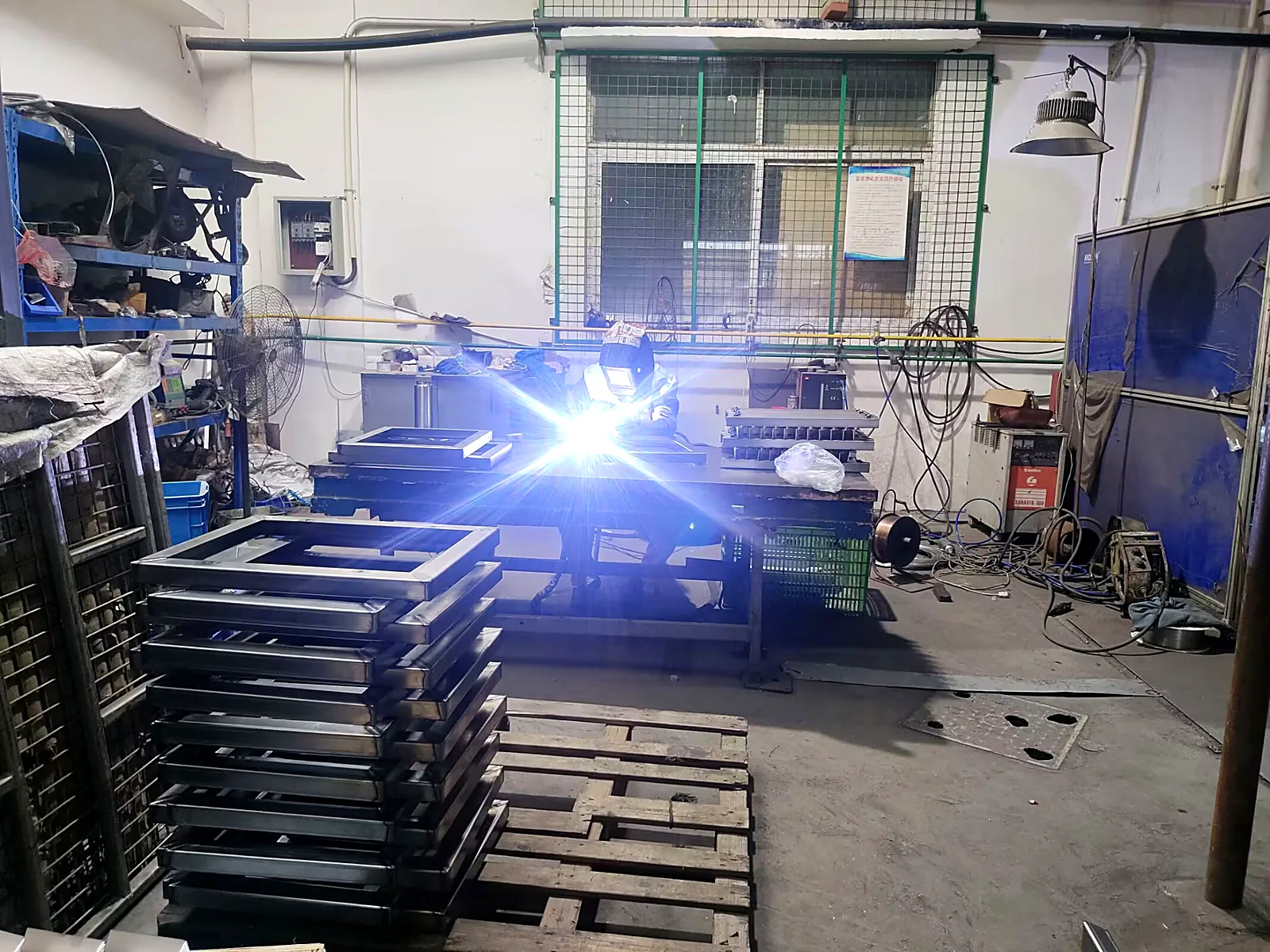
- Joining: welded, or riveted on our riveting machine when heat or mixed materials make welding the wrong choice.
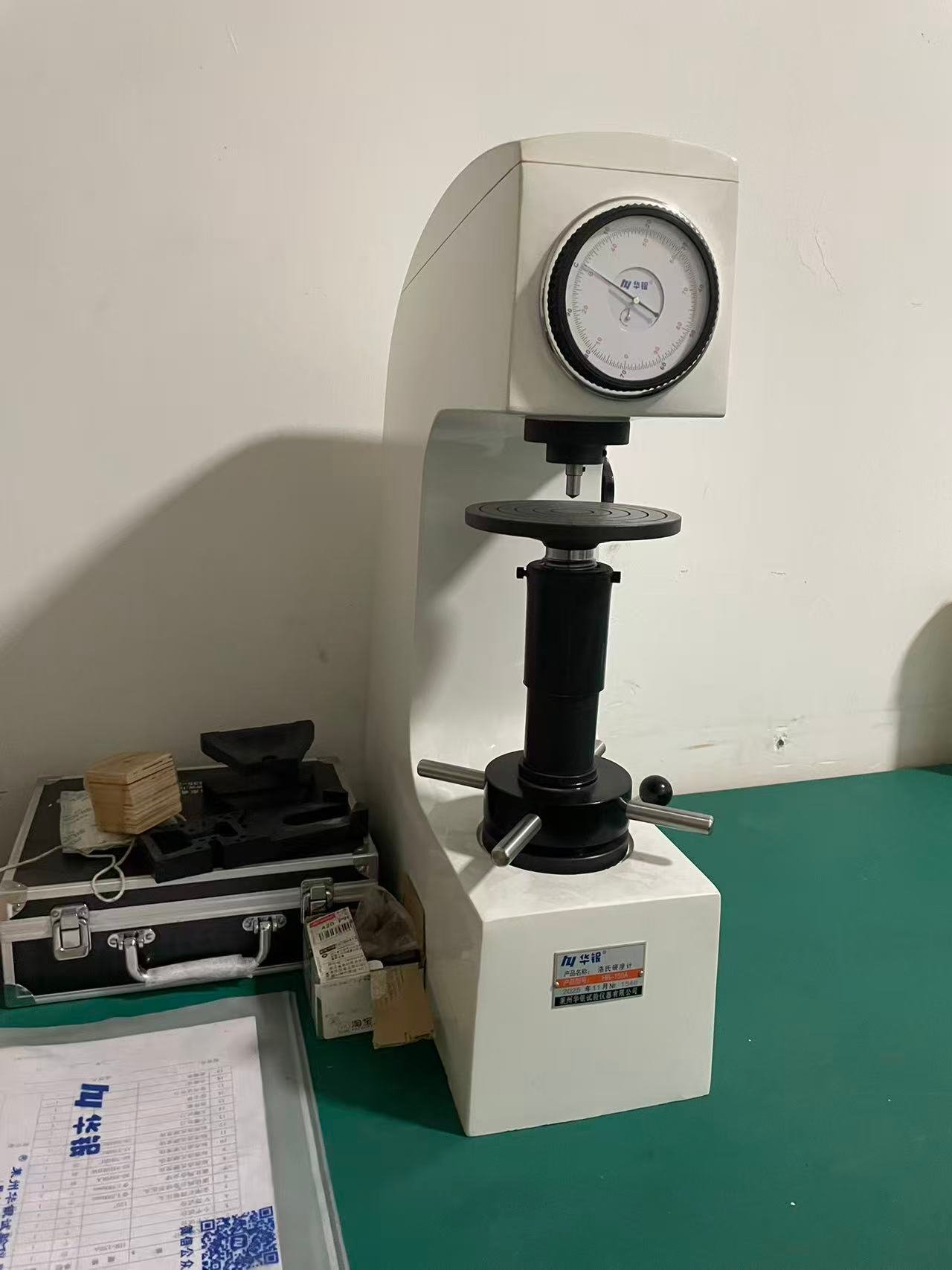
- Finishing and inspection: coating, then dimensional checks and in-house hardness verification.
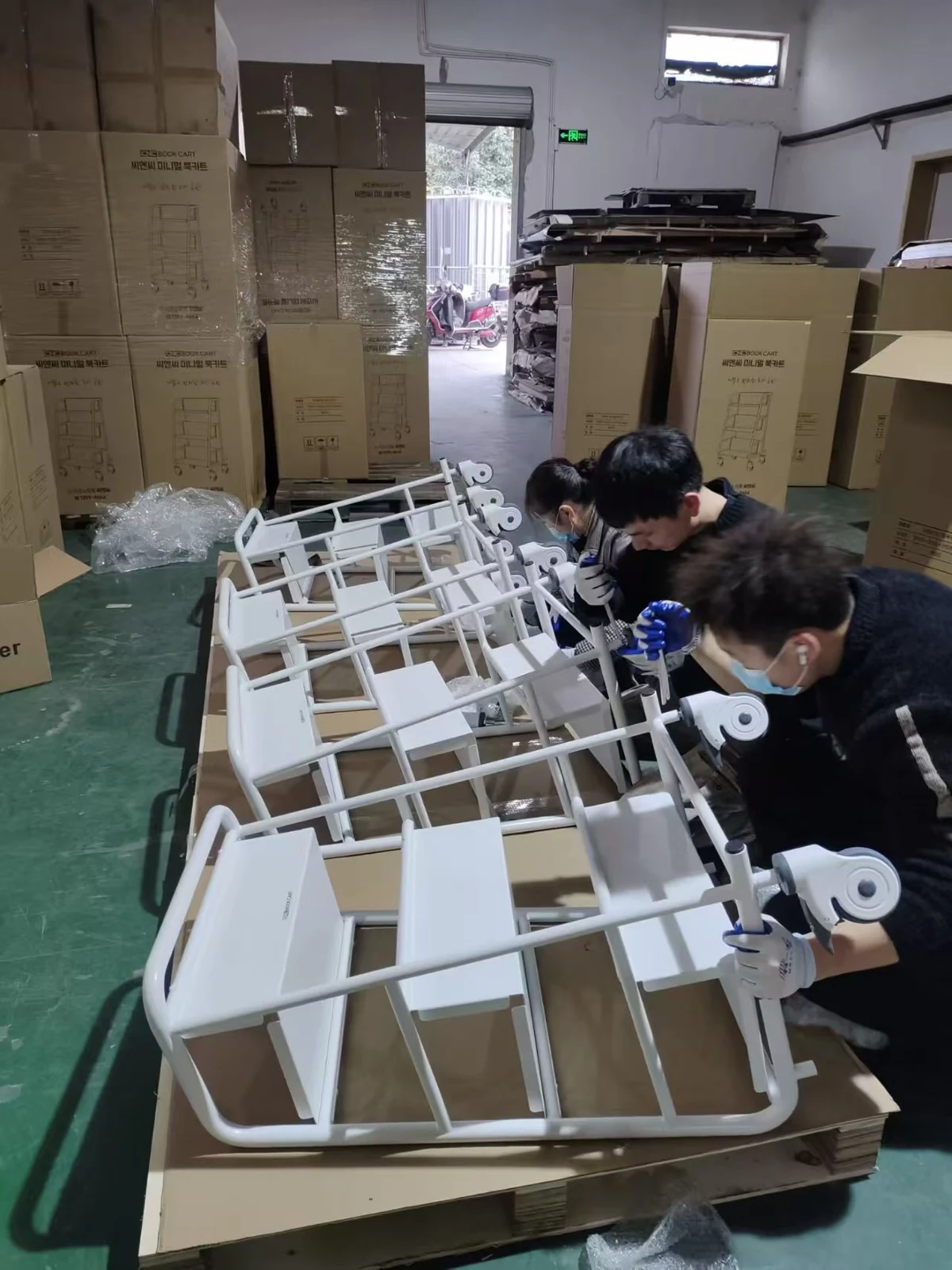
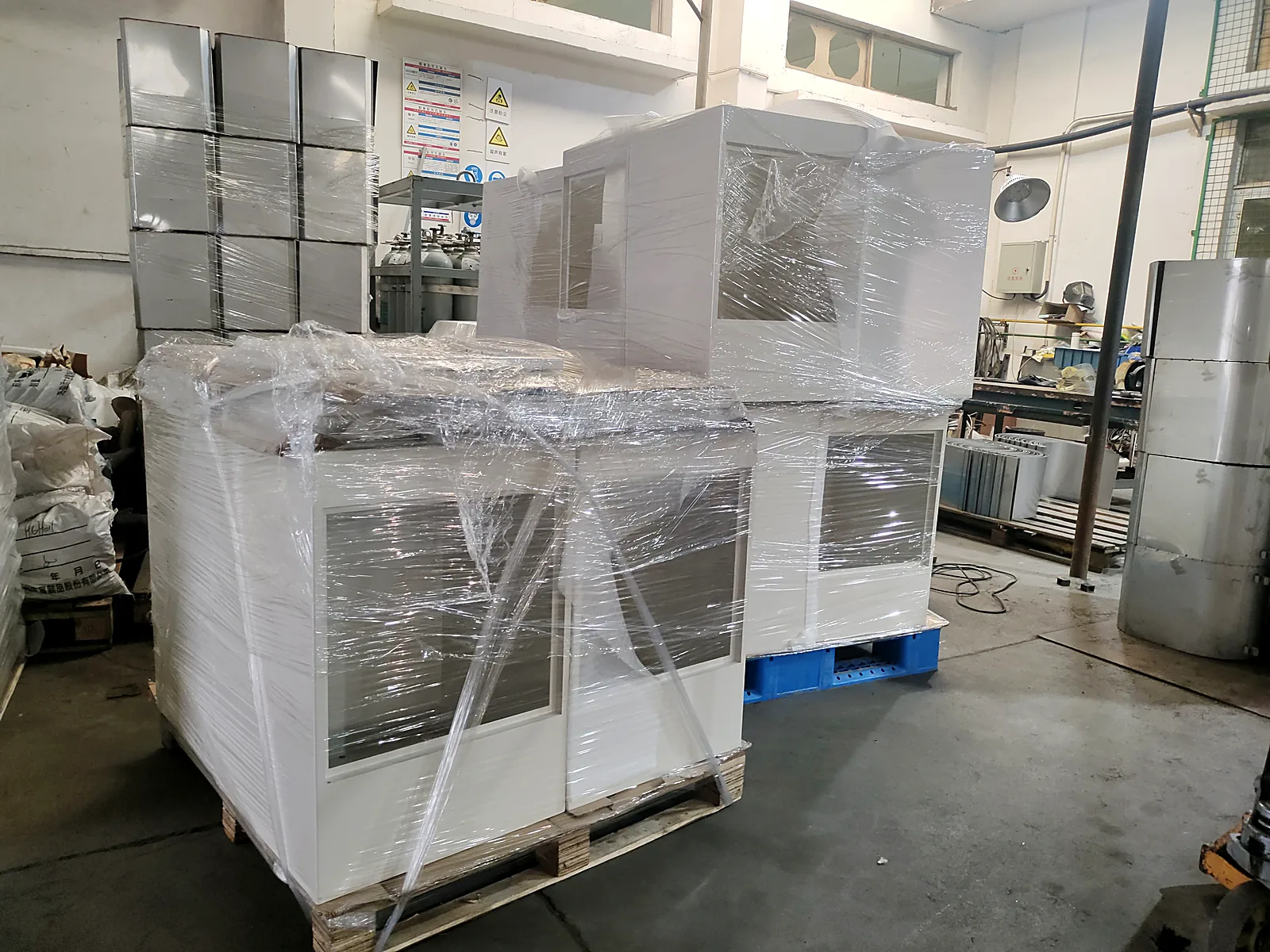
- Packing: protected for transit, including wooden-crate packing for parts that need it.
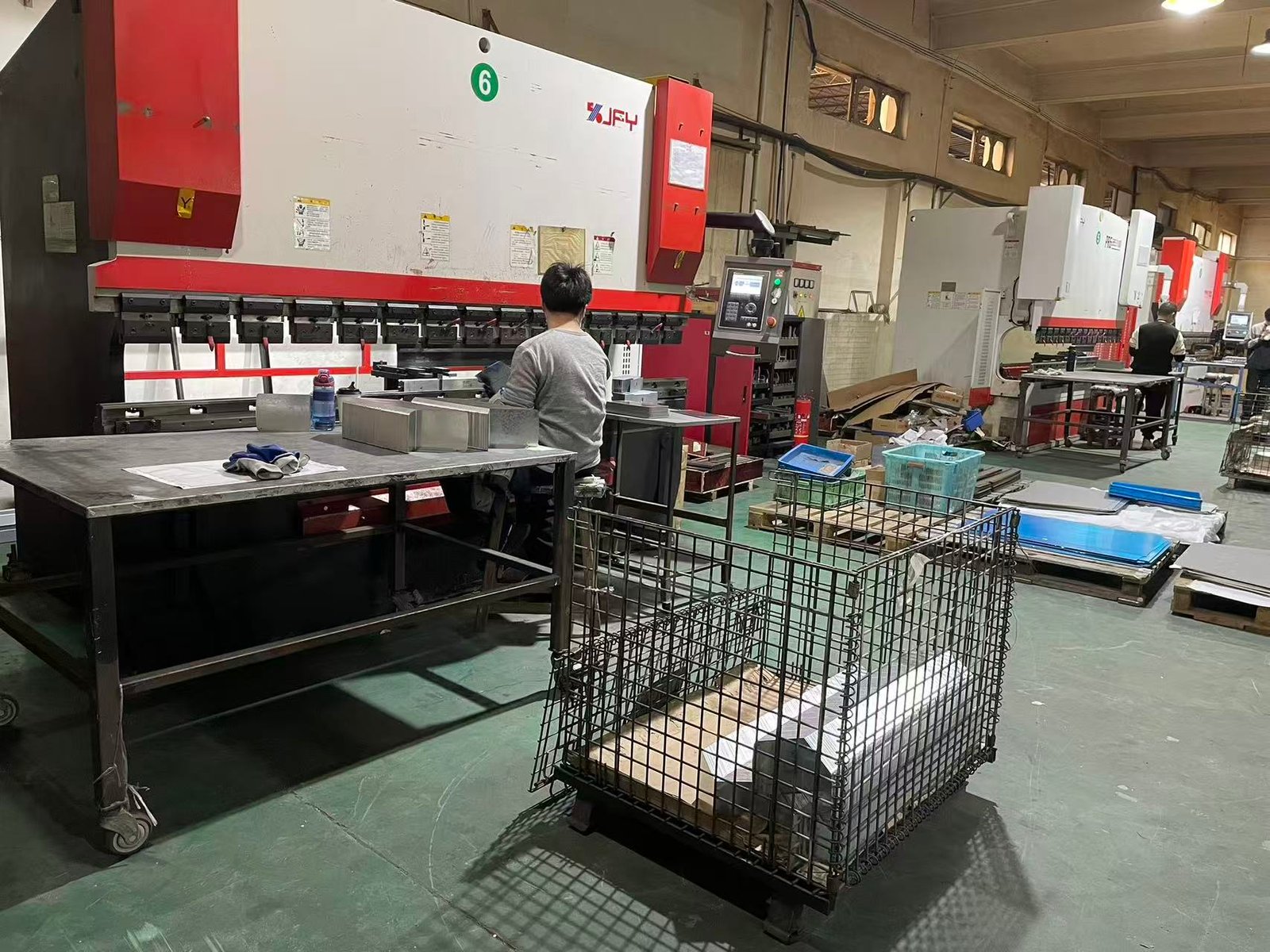
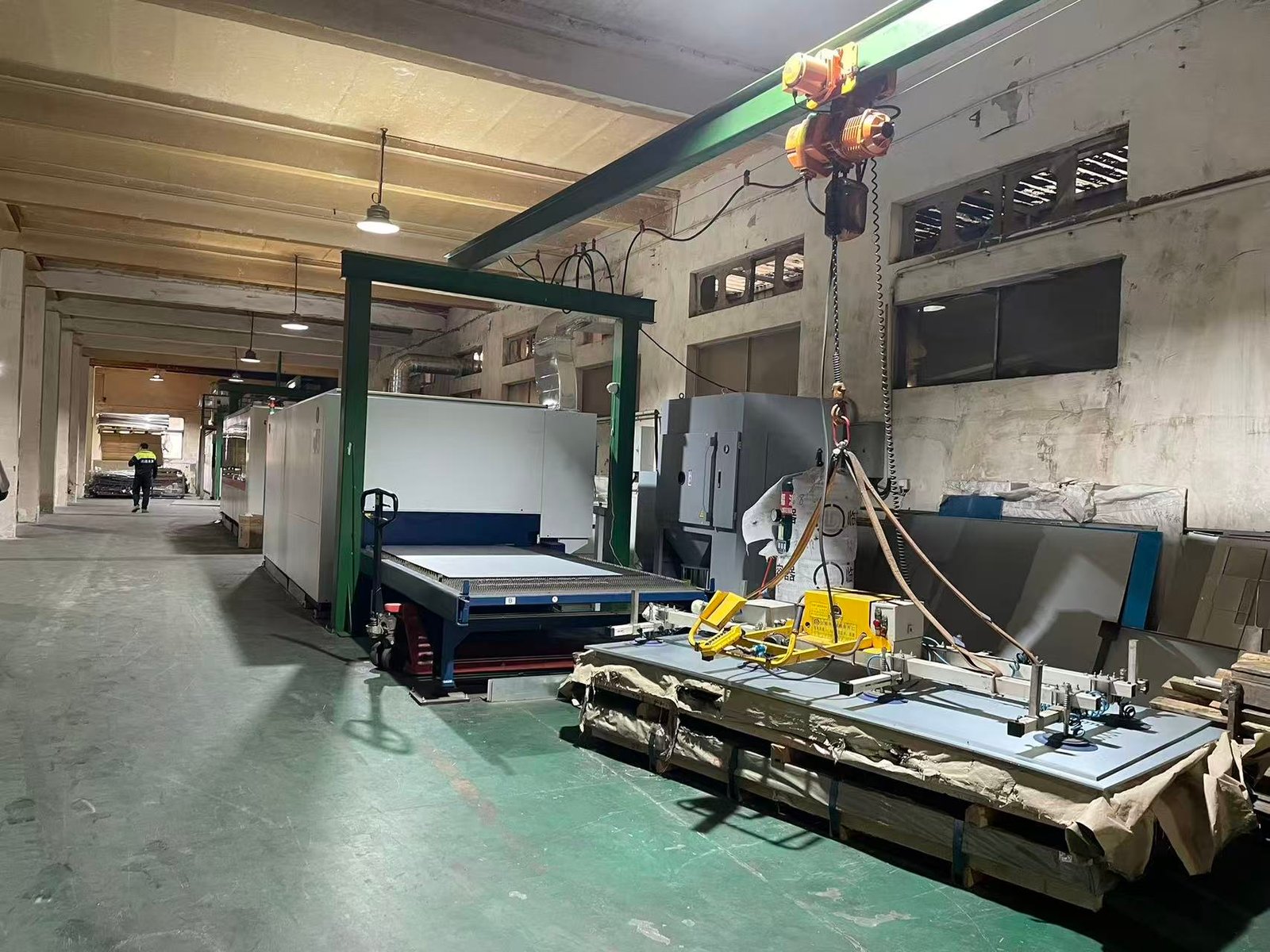
Your Design Is Not Our Portfolio
Some of the parts we make are exclusive to a single customer. We do not add them to a catalog, and we do not put them in front of other buyers — even when they are interesting pieces of work. Showing off a customer’s design to win a different customer’s order is not a trade-off we are willing to make.
That is why we protect drawings and data by default. You do not need to sign a confidentiality agreement before you send us a project; the design is used to make your parts, and nothing else. If you have a particular requirement, we are happy to discuss how we handle your files — but a signature is not the price of talking to us.
If You Do Not Have a Production Drawing
We can produce a drawing from a concept, a photo or a sample, and turn it into something manufacturable. But we recommend you supply your own drawing where possible: it is faster, it keeps the intent under your control, and it removes a round of interpretation. Drawing work is quoted case by case — typically starting around USD 1,000 and ten days or more, depending on complexity — and we deliver a PDF and renders, not CAD source files.
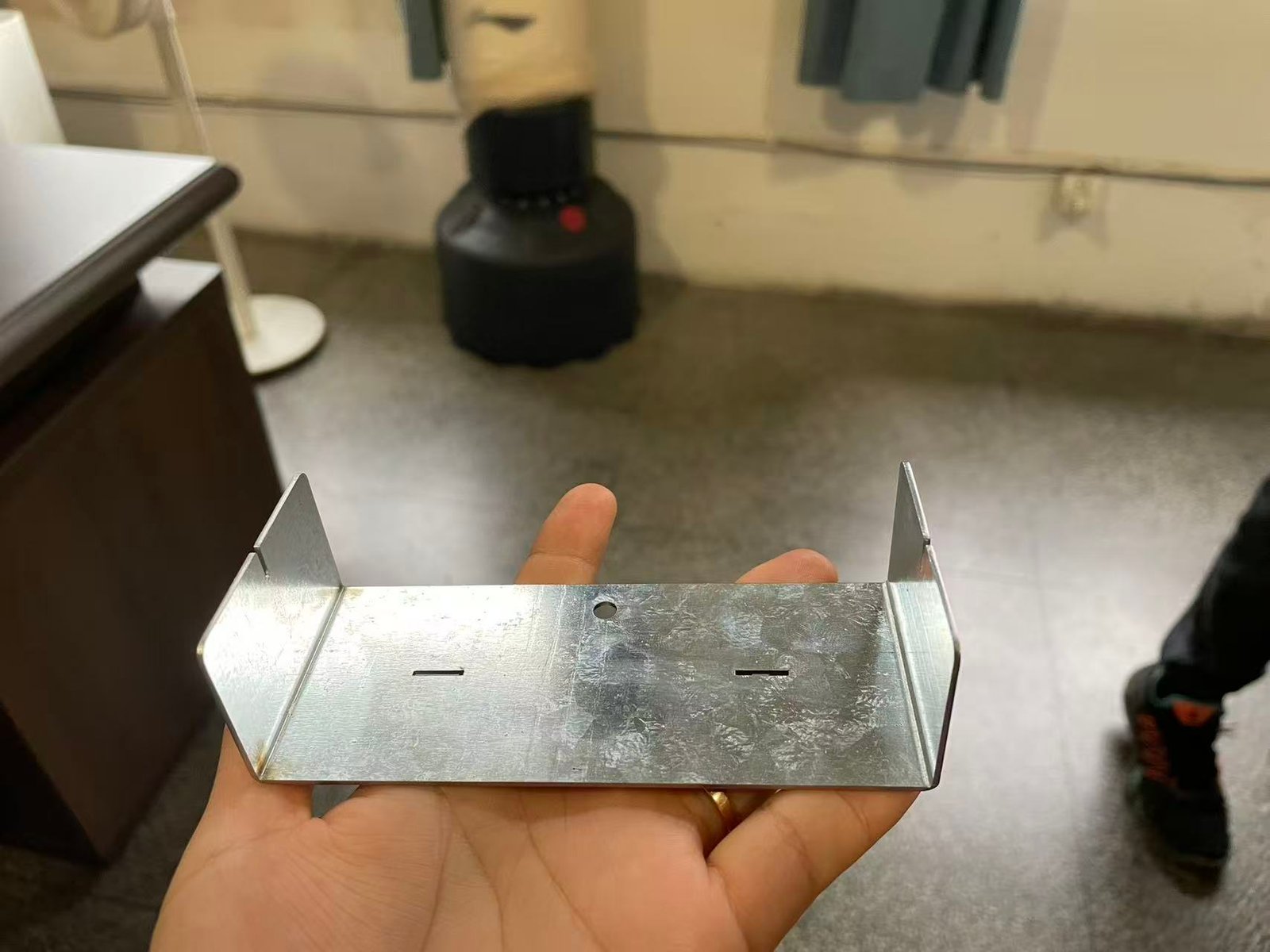
What “Custom” Actually Changes in the Build
Buyers often tell us they need something custom without knowing which decisions that opens up. In practice, a custom part usually differs from a catalogue item in five places: the material and thickness, the flat pattern and bend sequence, the hole and slot positions, the joining method, and the finish. Each one affects cost and lead time, so each one deserves an explicit decision rather than an assumption.
When we review a drawing, we walk through those five with you. If a tolerance is tighter than the process needs, we will say so — paying for precision you do not use is a common way custom budgets disappear. If a hole sits too close to a bend, we will flag it before cutting rather than after. This is the part of custom work that happens on paper, and it is where most of the value is created.
Working With Buyers Who Have No Engineering Team
A large share of the people who contact us are decision-makers, not engineers. They know what the part has to do in their plant, but they do not have a draughtsman who can produce a folded flat pattern. That is normal, and it is not a barrier. We can work from a photograph, a sketch, a sample, or a concept rendering and turn it into something manufacturable.
What we need from you is functional information: what the part carries, what it fits around, the space it must occupy, and what would make it fail. We will ask for those details in plain language rather than handing you a technical questionnaire. Where we produce the drawing, we recommend you supply your own if you can — it is faster and the design stays under your control — but we are set up to do the engineering when you need us to.
How We Handle Your Files
Customer drawings and designs are treated as confidential by default. You do not need to sign a confidentiality agreement before you send a project. Your design is used to make your parts and nothing else; we do not put one customer’s work in front of another buyer as an example of what we can do.
We are an independently audited factory — Bureau Veritas report MIC-ASR263630, dated 2026-10-09. We state what we can verify and do not claim certifications we do not hold.
Samples and Lead Times
For new parts where you provide a CAD drawing, samples are typically ready in 10–15 days. If we produce the drawing, allow 15–20 days. Once a sample is approved, production runs on the agreed schedule, with the same machines and checks each time.
Start With a Drawing
Send a drawing, a sketch or a clear photo through the contact form. We will tell you what we need to confirm, how we would build it, and what the sample lead time and price would be. Your design stays yours throughout.
Who We Are
Doing Metal is the trolley-focused manufacturing site of Ningbo Fulei Metal Products. Founded in 2016, we build custom metal trolleys in our own workshop — from a drawing, a photo or just a clear idea of the job.
Our Ningbo floor handles the full route in house: laser cutting, CNC bending, welding and riveting, leveling, powder coating, assembly and inspection. One team, one drawing, one accountable partner — from the first sample to a controlled repeat order.
We are an independently audited factory (Bureau Veritas report MIC-ASR263630) and we state our credentials plainly.
Get to know us →Have a Similar Trolley Project? Send It for Review
Send your trolley type, load capacity, size, wheel requirement, quantity, and drawings or reference photos. Our team will review the structure and reply within 24 hours on business days.
Urgent project? Email gao@doingmetal.com or WhatsApp +86 18158549983.