November 16, 2026
Inside Our Sheet Metal Workshop
One Floor, One Team, One Drawing
Buyers placing a first custom order usually want to know one thing: can this factory actually make the part, or will it be passed to a subcontractor? This is a walk through our workshop, in the order your material travels through it.
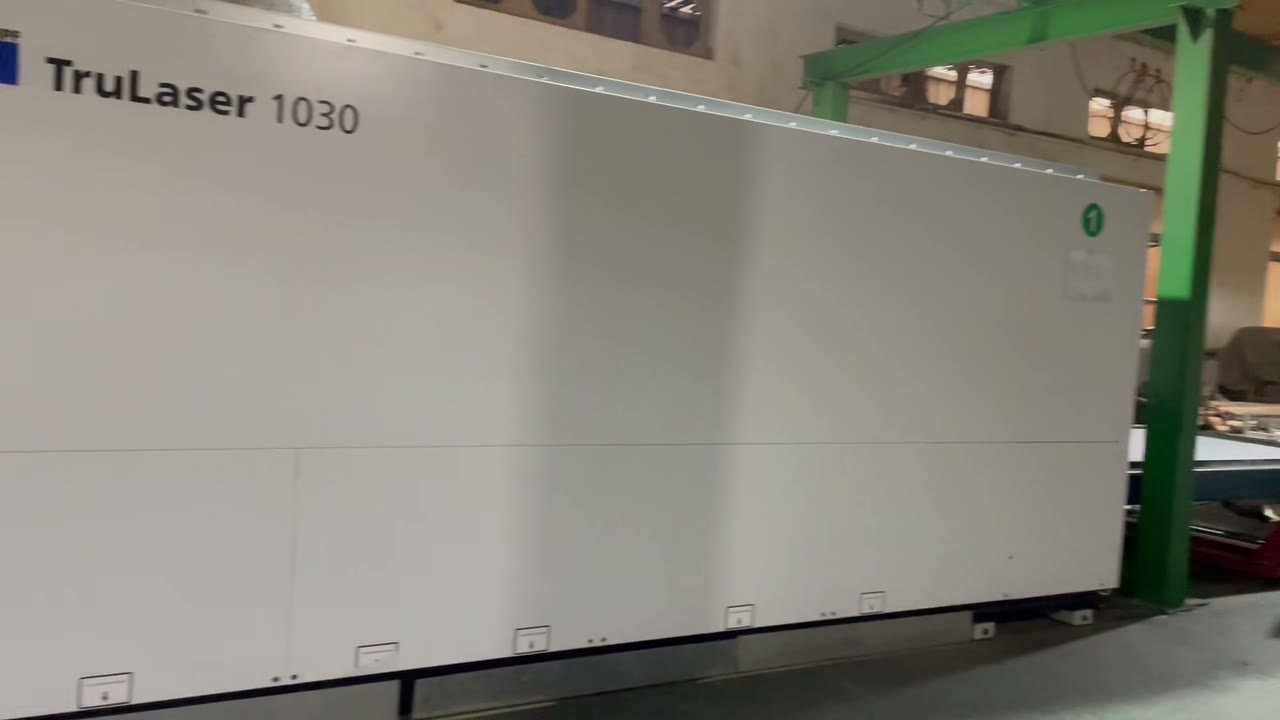
1. Laser Cutting
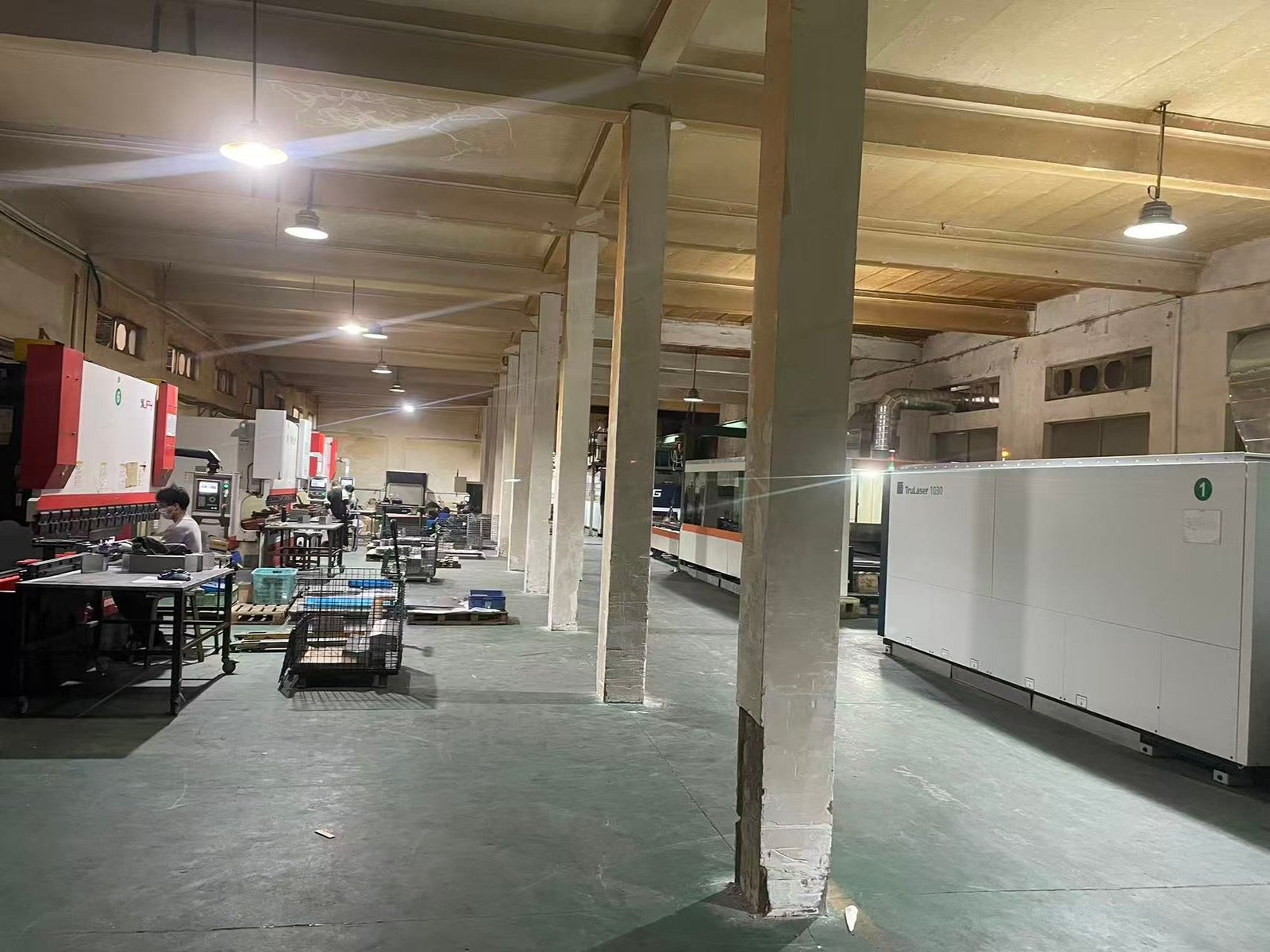
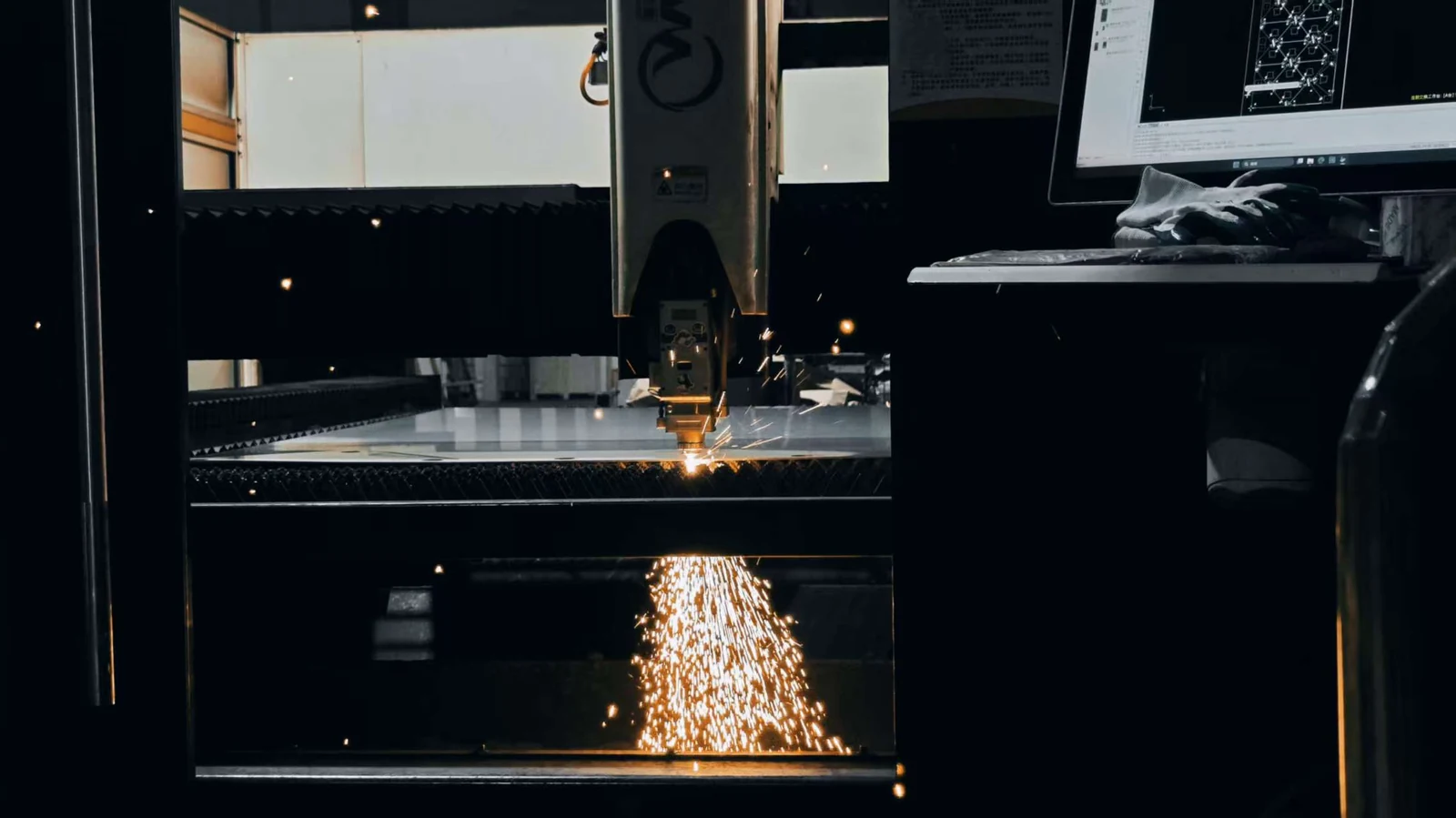
Flat parts start on our laser cutting machines. Laser cutting needs no hard tooling, which is exactly what a custom or low-volume order needs — there is no punch tool to design and pay for to make a handful of parts. We check edge quality and hole positions on the first sheet before the run continues.
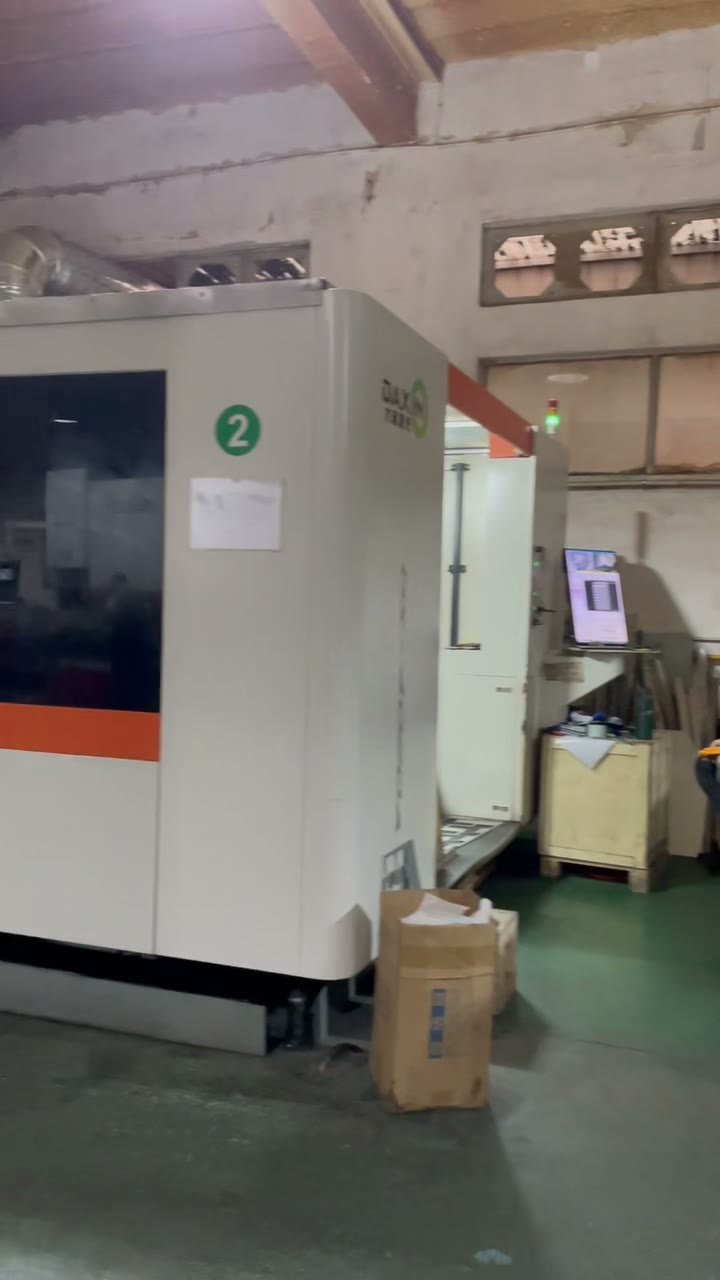
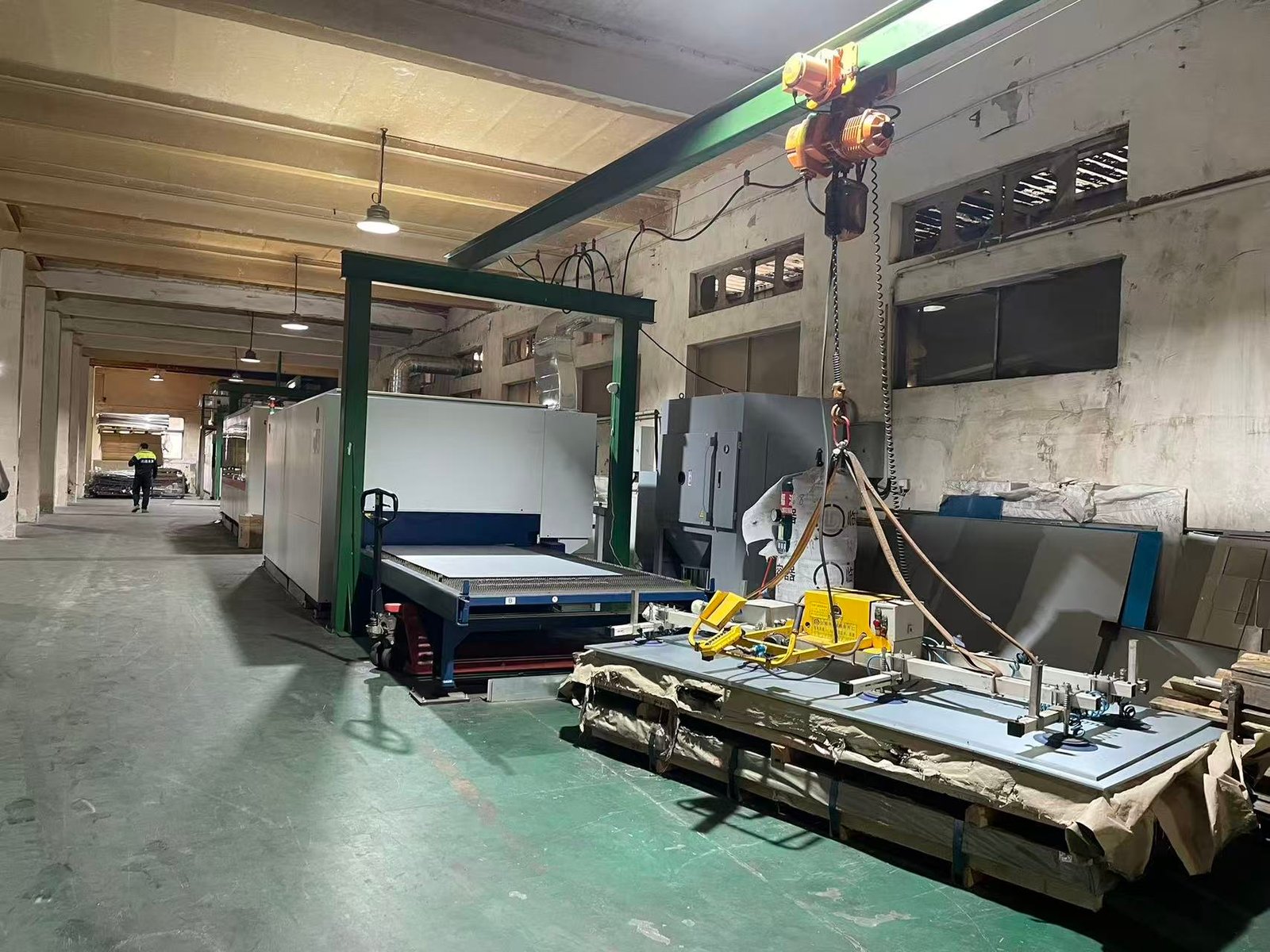
2. Leveling
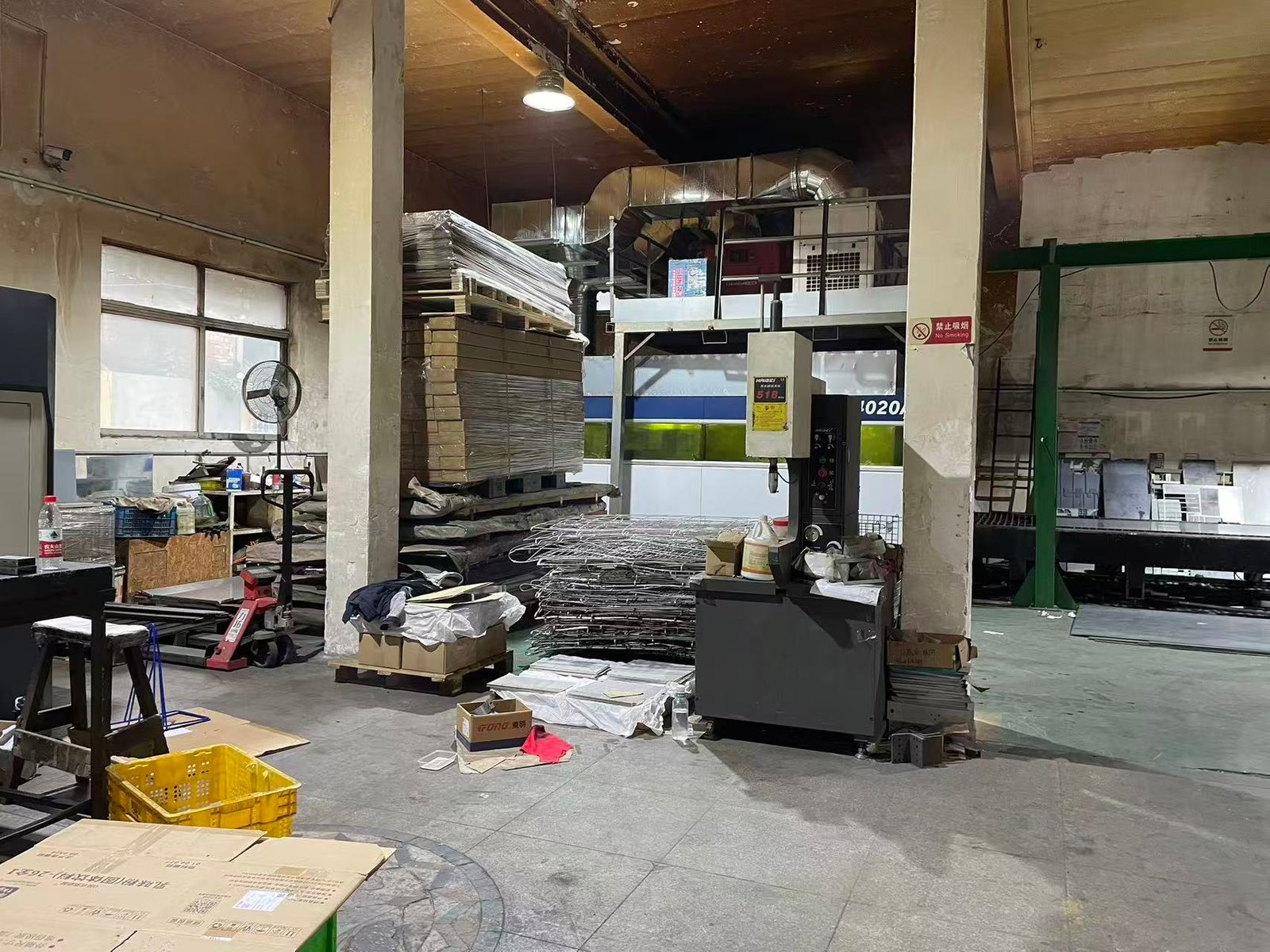
Before bending, sheet goes through our leveling machine. Rolling leaves subtle waves and internal stress in mill sheet; leveling relieves it, so panels stay flat and bends hold their dimension. On larger panels and tighter tolerances, this step is the difference between a part that fits and one that does not.
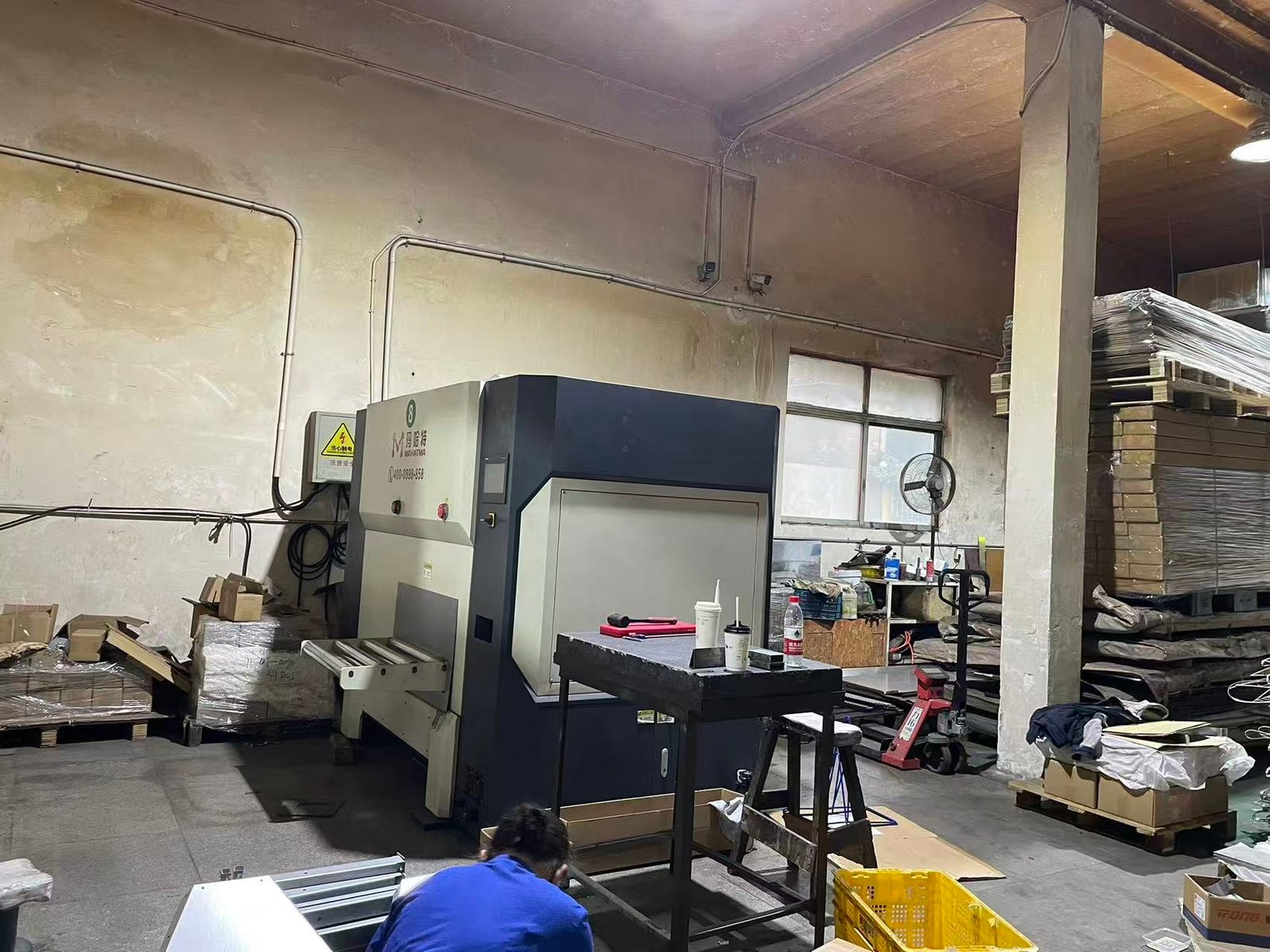
3. CNC Bending
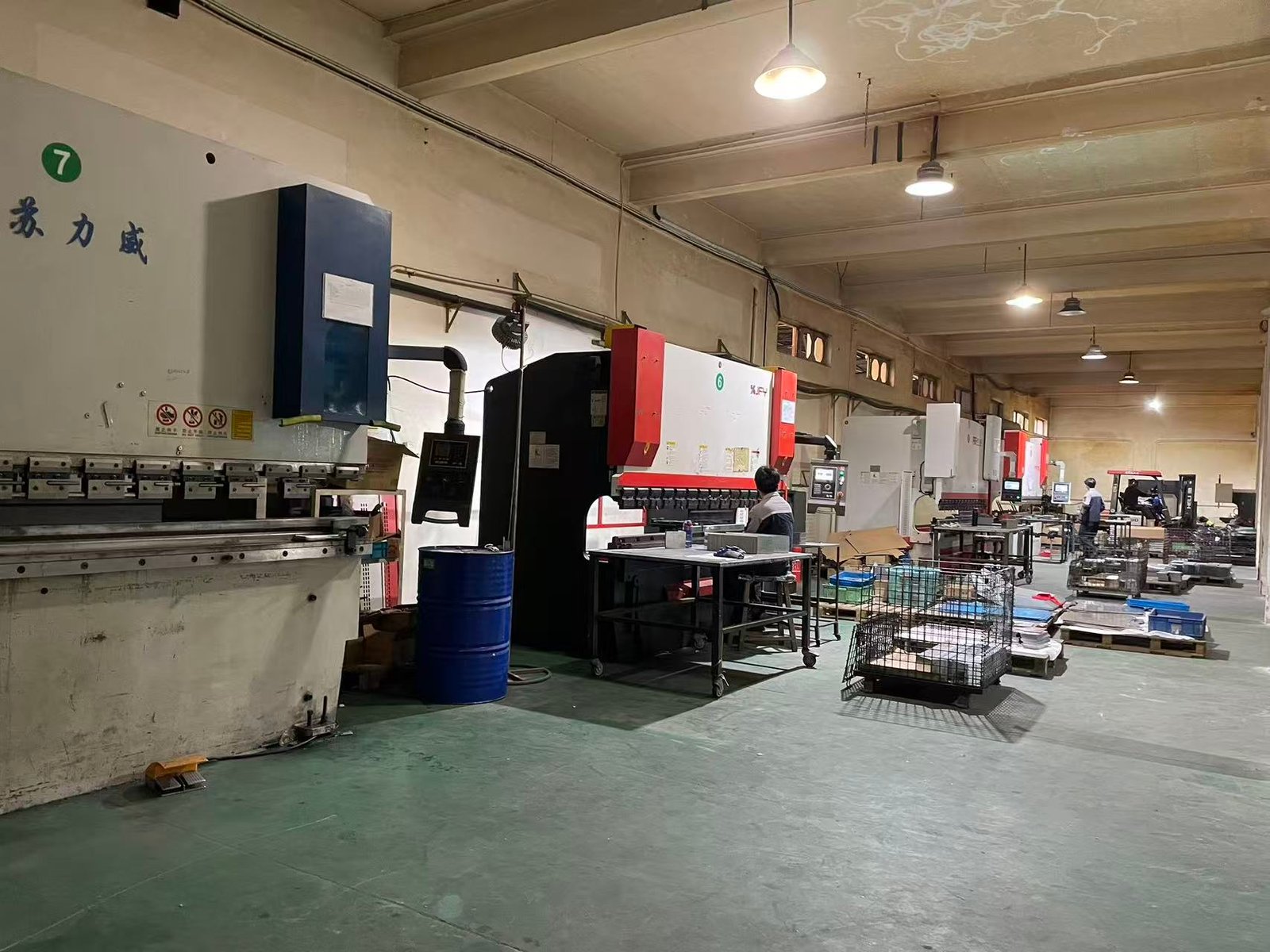
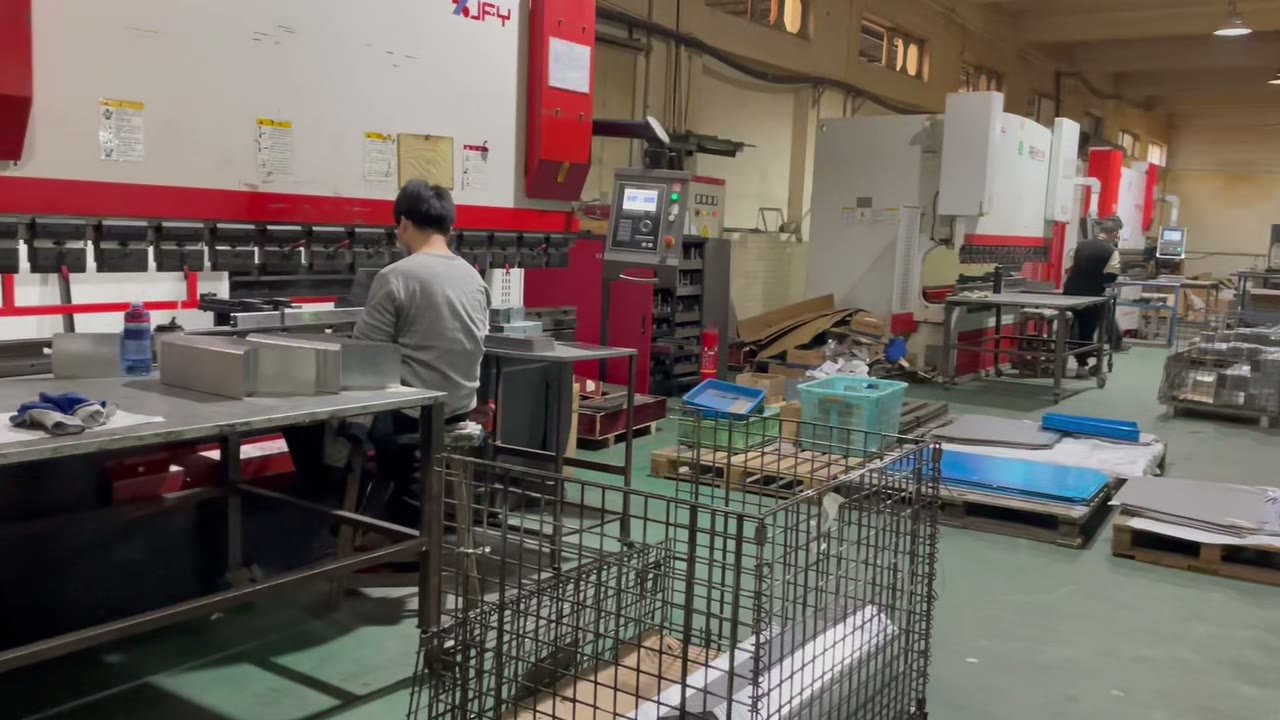
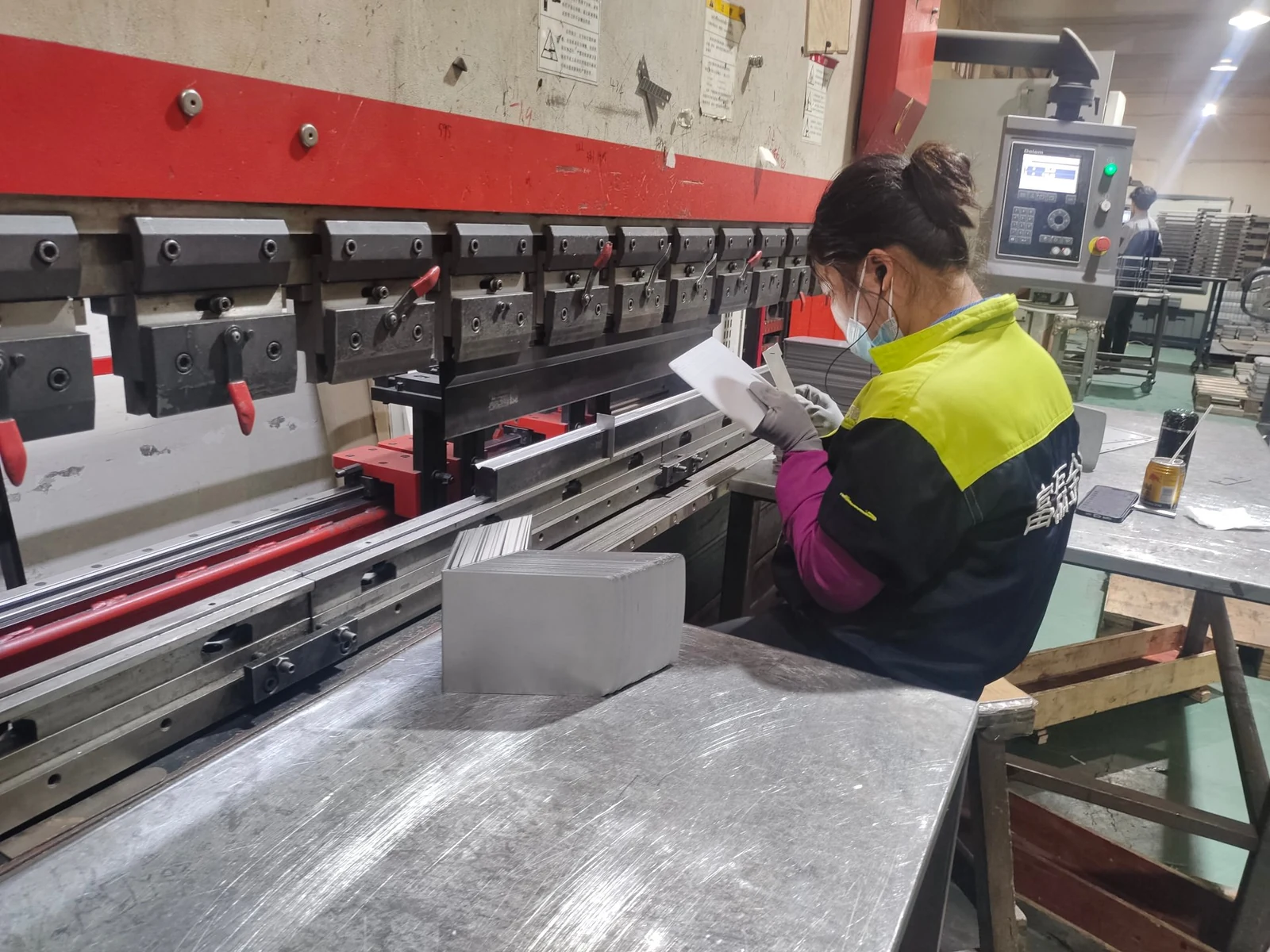
Bends are formed on CNC press brakes. Consistent bend angles are what turn a flat pattern into a part that fits — and what let us repeat the same part on the fiftieth unit as on the first. The first article of each setup is measured against the drawing before production continues.
4. Welding and Riveting
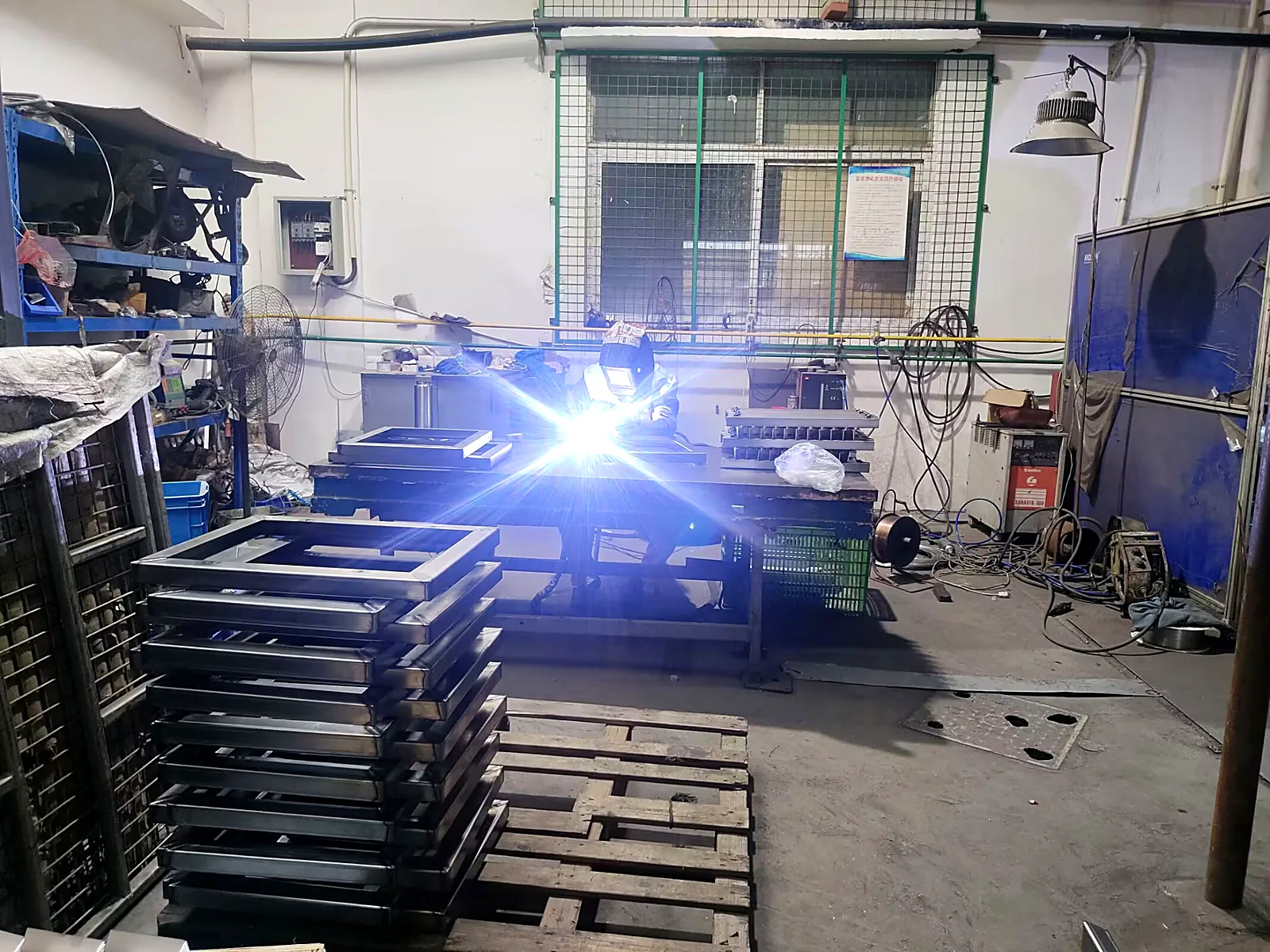
Frames and assemblies are joined by our own team. We weld where welding is right, and use our riveting machine where heat or mixed materials make welding the wrong choice — thin sheet that would distort, or assemblies that may need to come apart later.
5. Inspection and Finishing
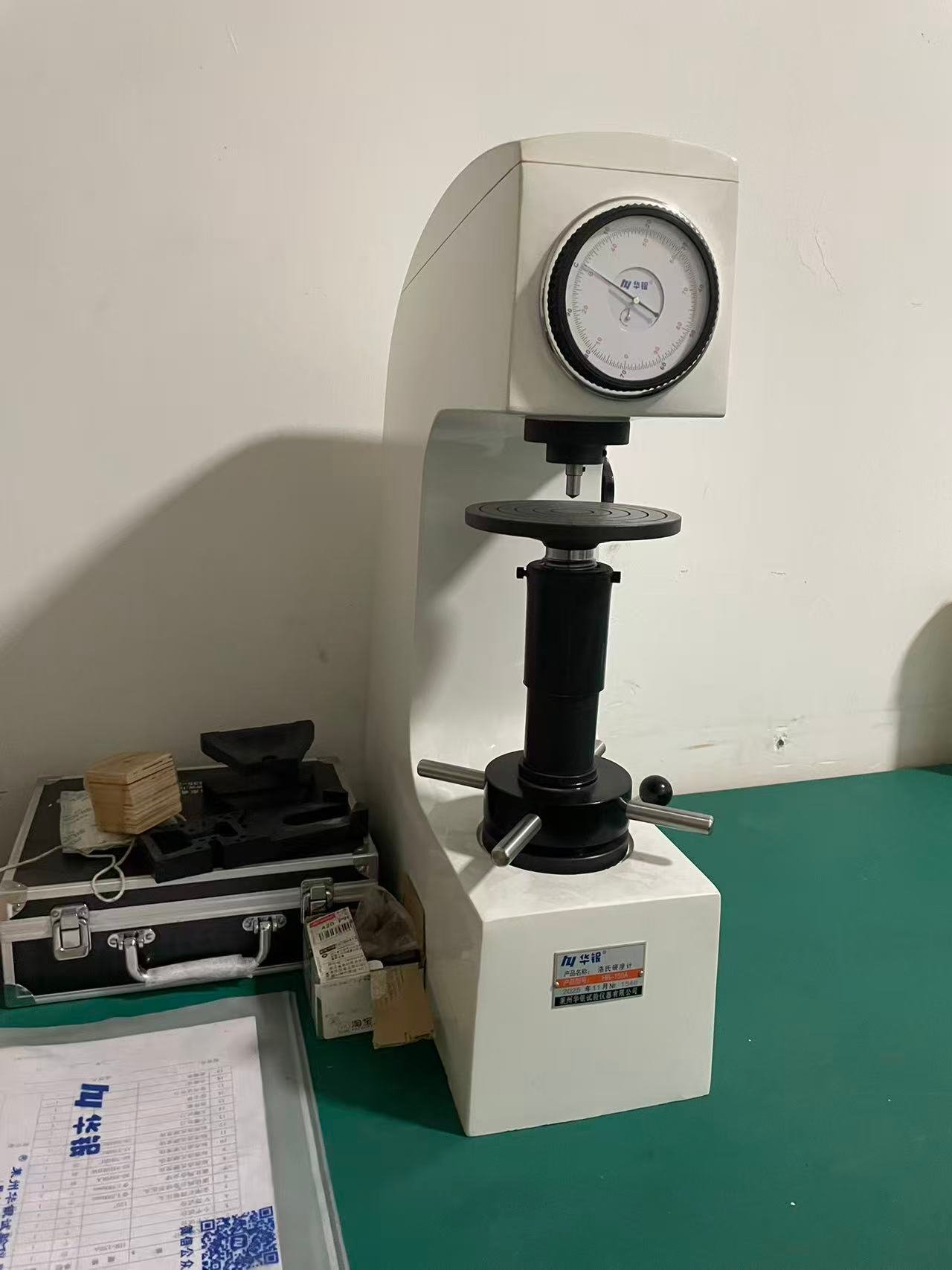
Hardness is verified in house on our Rockwell tester, dimensions are checked against the drawing, and parts are coated to the specified finish before packing. Keeping material verification, cutting, bending, joining, finishing and inspection under one roof is what makes the lead time predictable and the quality traceable.
6. Packing and Dispatch
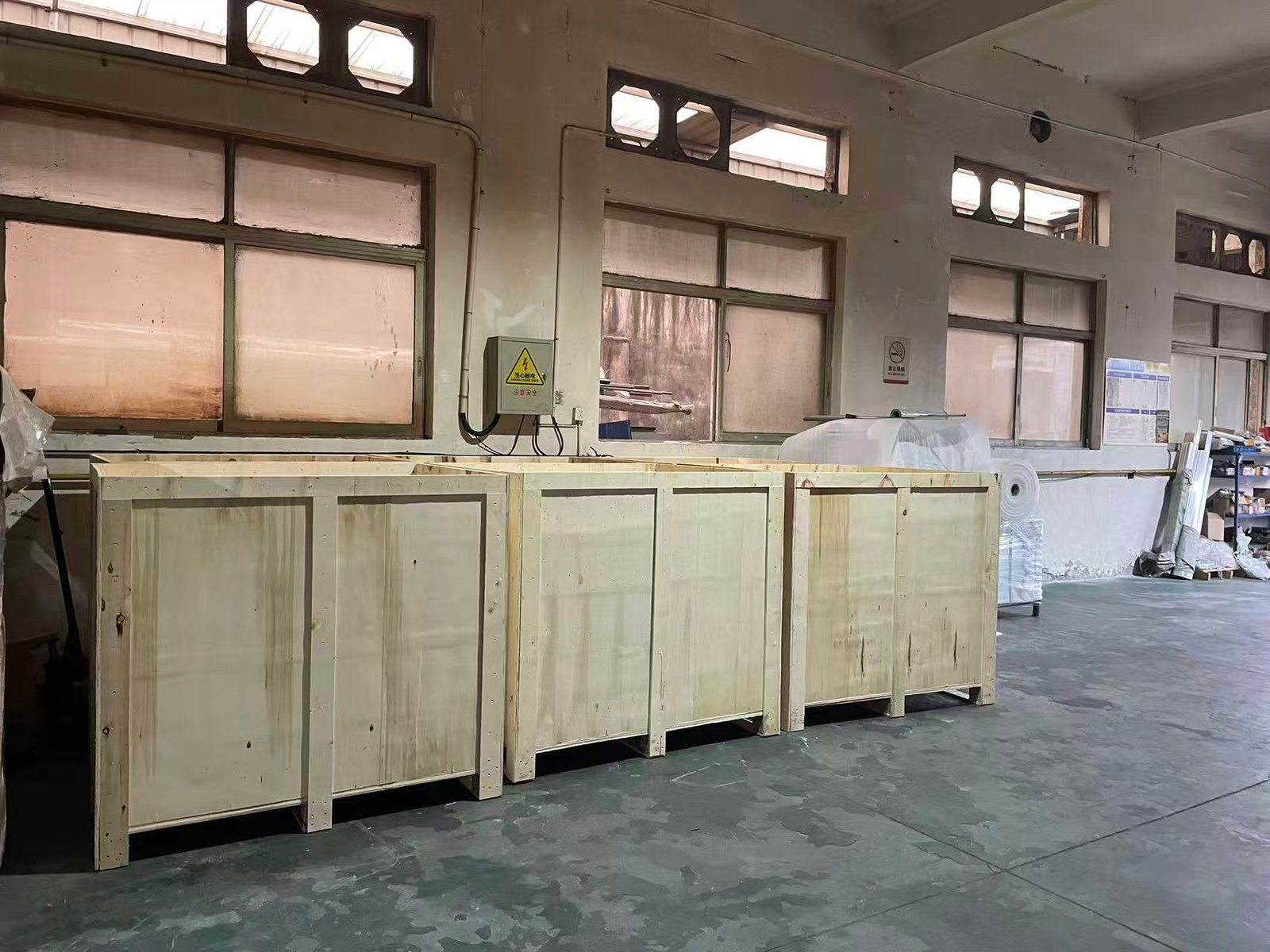
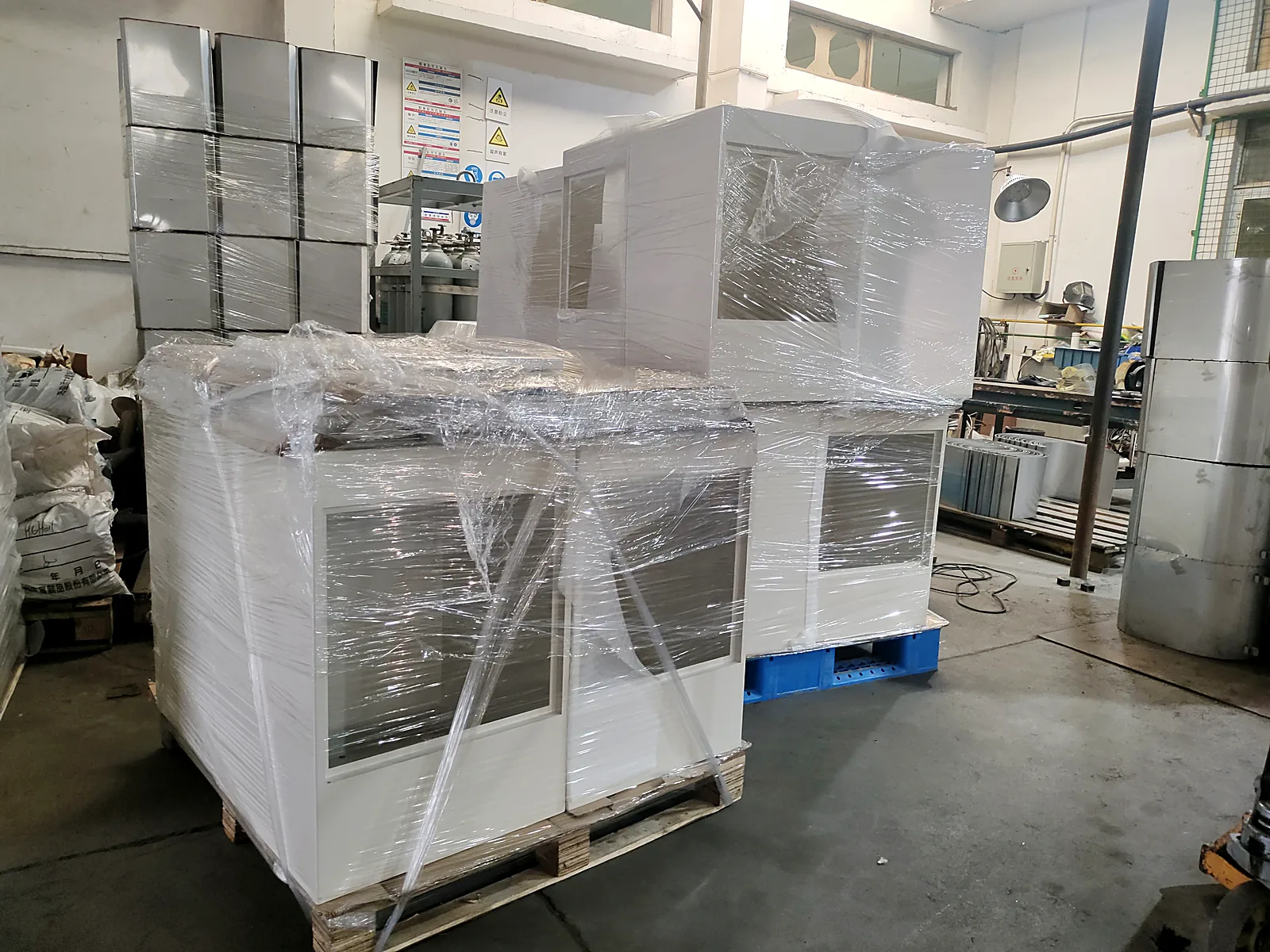
Finished parts are protected for transit. Where the part or the journey calls for it, we build wooden-crate packing so the goods arrive in the condition they left the workshop.
What Buyers Are Really Checking When They Audit a Workshop
Experienced buyers rarely judge a supplier by the size of the building. They look for a smaller set of things that predict whether an order will go smoothly: does the factory actually do the operations in house, can it explain how a dimension is controlled, does it check material before cutting, and will a drawing change be handled the same day or passed to someone else? A workshop tour is useful only if it answers those questions.
That is why we describe the route your material takes rather than just listing machines. If you are comparing suppliers, the useful question is not “do they own a laser” but “what happens to my part between the laser and the press brake, and who is responsible when something does not fit.”
Handling Changes Mid-Order
Most custom projects change after the first sample. A bracket needs one more hole, a handle sits too low, a coating reads differently under your factory lights. What matters is how that change is handled. Because cutting, bending, welding and finishing all sit under one roof, a revision can be assessed on the floor, quoted honestly in terms of time and cost, and put into production without re-explaining the design to three different subcontractors.
We would rather have that conversation early and clearly than absorb a change silently and hope it does not show up in the next twenty units.
What We Do Not Claim
We think being straight about limits is part of serving a serious buyer. We do not hold ISO 9001 certification, and we will not imply that we do. What we can offer is an independently audited factory — Bureau Veritas report MIC-ASR263630, dated 2026-10-09 — plus in-house checks you can verify on the sample we send you. If a specification calls for a certification we do not hold, we will say so before you place an order, not after.
Similarly, when a steel mill issues an EN 10204 3.1 certificate we pass it through as issued; we do not issue one in our own name. Buyers who have been burned by vague claims tend to value that distinction.
What One Roof Buys You
- One point of contact: your project stays with one team from drawing to dispatch.
- Faster samples: no time lost shipping work between subcontractors.
- Repeatable quality: the same machines, operators and checks each time.
- Real traceability: a dimension can be traced back to the operation that made it.
We are an independently audited factory — Bureau Veritas report MIC-ASR263630, dated 2026-10-09, covering our workforce, export experience and production setup. We state what we can verify and do not claim certifications we do not hold. Every drawing and design we receive is treated as confidential by default.
Questions Worth Asking Before You Place a Custom Order
If you are comparing workshops for a custom part, a short set of questions will tell you more than a brochure. Who actually does the cutting, bending and welding — is it all in house? How is material checked before it goes to the laser? What happens if a dimension drifts between the first article and the fiftieth? Can a drawing change be handled without re-explaining the design from scratch? And when something goes wrong, who is accountable for fixing it?
The answers matter because custom work is a chain of decisions, not a single transaction. A supplier who owns the whole chain can correct a problem at the step where it occurred. One who passes work between shops spends your time coordinating, and the accountability gap shows up in the finish, the lead time, or both.
A Note on Serious Buyers
We do our best work with buyers who know what they want the part to achieve, even if they cannot yet express it in a drawing. If you can tell us the load, the space, the environment and the problem you are trying to solve, we can work with you from there. We ask a lot of questions up front because guessing costs both sides more than a clear conversation.
Your design stays yours. We treat customer drawings and data as confidential by default, and we do not show one buyer’s work to another — no confidentiality agreement is needed to discuss a project.
Send Us a Drawing
The best way to judge a workshop is to send it a real part. Use the contact form to tell us what you need and we will show you how we would route it through the floor, with a sample lead time and a quote.
Who We Are
Doing Metal is the trolley-focused manufacturing site of Ningbo Fulei Metal Products. Founded in 2016, we build custom metal trolleys in our own workshop — from a drawing, a photo or just a clear idea of the job.
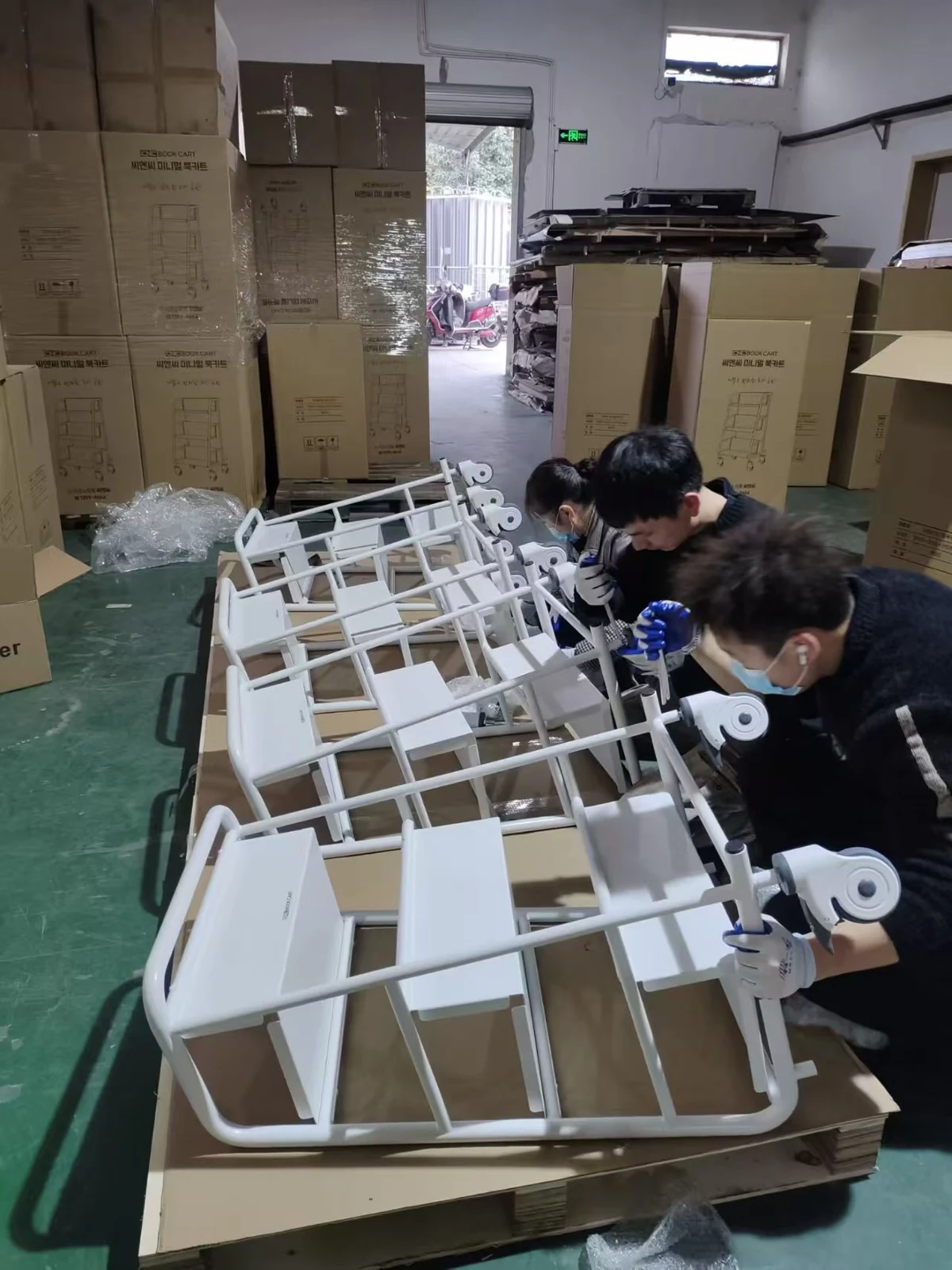
Our Ningbo floor handles the full route in house: laser cutting, CNC bending, welding and riveting, leveling, powder coating, assembly and inspection. One team, one drawing, one accountable partner — from the first sample to a controlled repeat order.
We are an independently audited factory (Bureau Veritas report MIC-ASR263630) and we state our credentials plainly.
Get to know us →Have a Similar Trolley Project? Send It for Review
Send your trolley type, load capacity, size, wheel requirement, quantity, and drawings or reference photos. Our team will review the structure and reply within 24 hours on business days.
Urgent project? Email gao@doingmetal.com or WhatsApp +86 18158549983.