November 16, 2026
New Machines, Better Parts
Three New Machines, One Reason: Better Parts, Fewer Surprises
We recently added three pieces of equipment to our floor: a precision leveling machine, a Rockwell hardness tester, and a riveting machine. None of them are there for show. Each one solves a specific problem that shows up on custom sheet metal orders — and each one gives us more control over the parts we send you.
Here is what changed, and what it means for the next order you place with us.
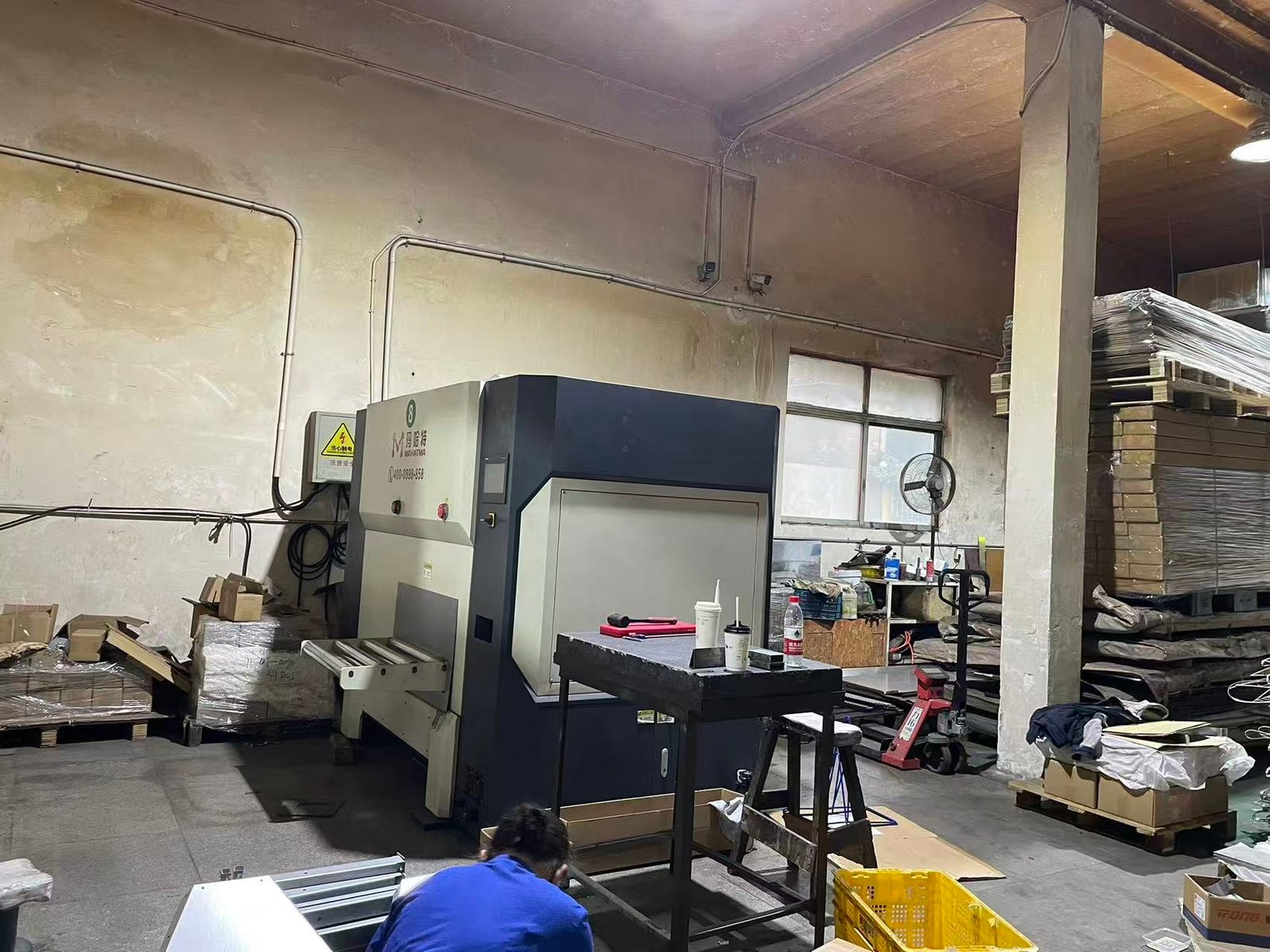
1. A Leveling Machine — Flatter Sheet, More Predictable Bends
Mill sheet is never perfectly flat. It arrives with subtle waves and internal stress from rolling, and if you cut and bend it as-is, those stresses come back as twist, bow, or dimensions that drift after the part leaves the press brake.
A leveling machine passes the sheet through a series of closely spaced rollers that gently stretch and flatten it, relieving that stored stress before machining begins. The result is sheet that stays flat through laser cutting and bends that land where the drawing says they should — especially on larger panels and tighter tolerances.
For you: flatter panels, more consistent bend angles, and less risk of a part that fits in our workshop but not in your assembly.
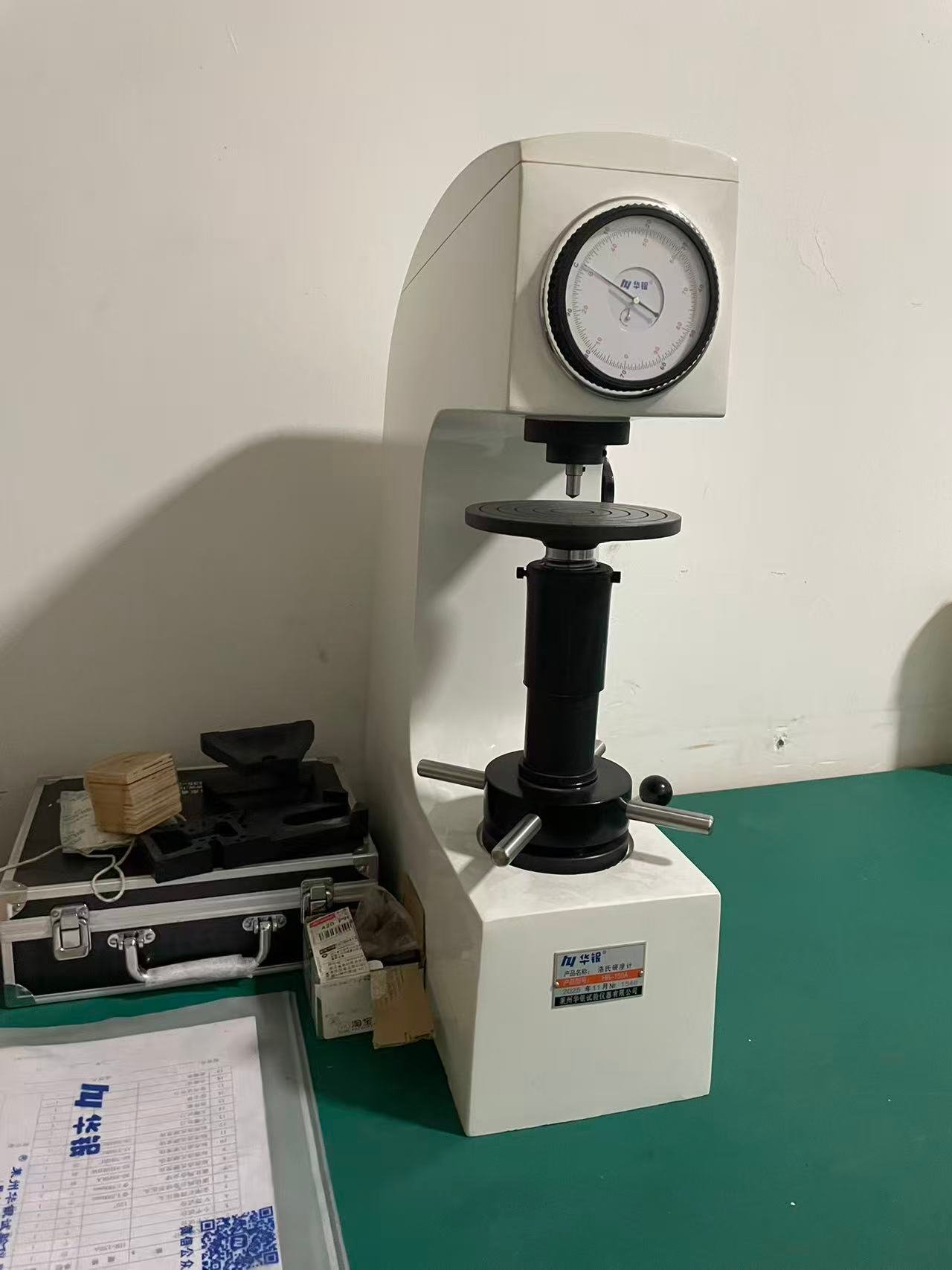
2. A Hardness Tester — Material Verified, Not Assumed
Two sheets of the “same” grade can behave very differently if their temper is off. Too soft and a bent edge springs back; too hard and it cracks at the bend line. A hardness reading is the fastest way to confirm that a batch is what it is supposed to be before we commit it to a production run.
Our Rockwell hardness tester lets us check incoming material and verify temper in house, rather than relying on a mill certificate alone. When a steel mill issues an EN 10204 3.1 certificate, we pass it through as issued — we do not issue one in our own name.
For you: the material in your parts has actually been checked, and the risk of a temper-related bend failure is caught before cutting, not after delivery.
3. A Riveting Machine — Another Way to Join, When Welding Is Wrong
Welding is not always the right answer. Thin sheet can distort under heat, dissimilar materials are difficult to weld, and some assemblies need a joint that can be disassembled. A riveting machine gives us a clean, low-heat joining option for exactly those cases.
Having riveting in house means we can recommend the right joining method for your part instead of forcing every design into a weld — and we can do it under the same roof as cutting, bending and finishing.
For you: more design freedom, less heat distortion on thin or mixed-material assemblies, and one team responsible for the whole build.
Why This Matters More on Low-Volume Custom Work
On a long production run, a bad sheet can be detected, scrapped and replaced without much disruption. On a custom order of five or twenty parts, there is no spare material to absorb the mistake. That is why in-house material verification and flatness control matter more, not less, on small runs: the cost of a surprise is concentrated in a handful of pieces.
The same logic applies to joining. If a design calls for riveting because heat would distort a thin panel, sending it to a shop that only welds means the design gets changed to suit the process. Keeping both options in house lets the part be built the way it was intended.
Equipment Alone Is Not the Point
Machines do not make parts by themselves. A leveling machine is useful only if someone knows which material needs it and by how much; a hardness tester is useful only if someone reads the result and acts on it. When you assess a supplier, the meaningful question is not how many machines are on the floor but whether the people running them understand why each step exists.
We would rather show you the decision behind a process than the process alone. If you tell us what has gone wrong on a previous order — a bowed panel, a cracked bend, a coating that flaked — we can tell you which step in our route is designed to prevent it.
A Note on Drawing Work
If you arrive without a production drawing, we can produce one from a concept, a photograph or a sample. We recommend you supply your own where possible: it is faster and keeps the design under your control. Where we do the engineering, drawing work is quoted case by case, typically starting around USD 1,000 and ten days or more depending on complexity — and we deliver a PDF and renders, not CAD source files. Being clear about that up front avoids an awkward conversation later.
What This Adds Up To
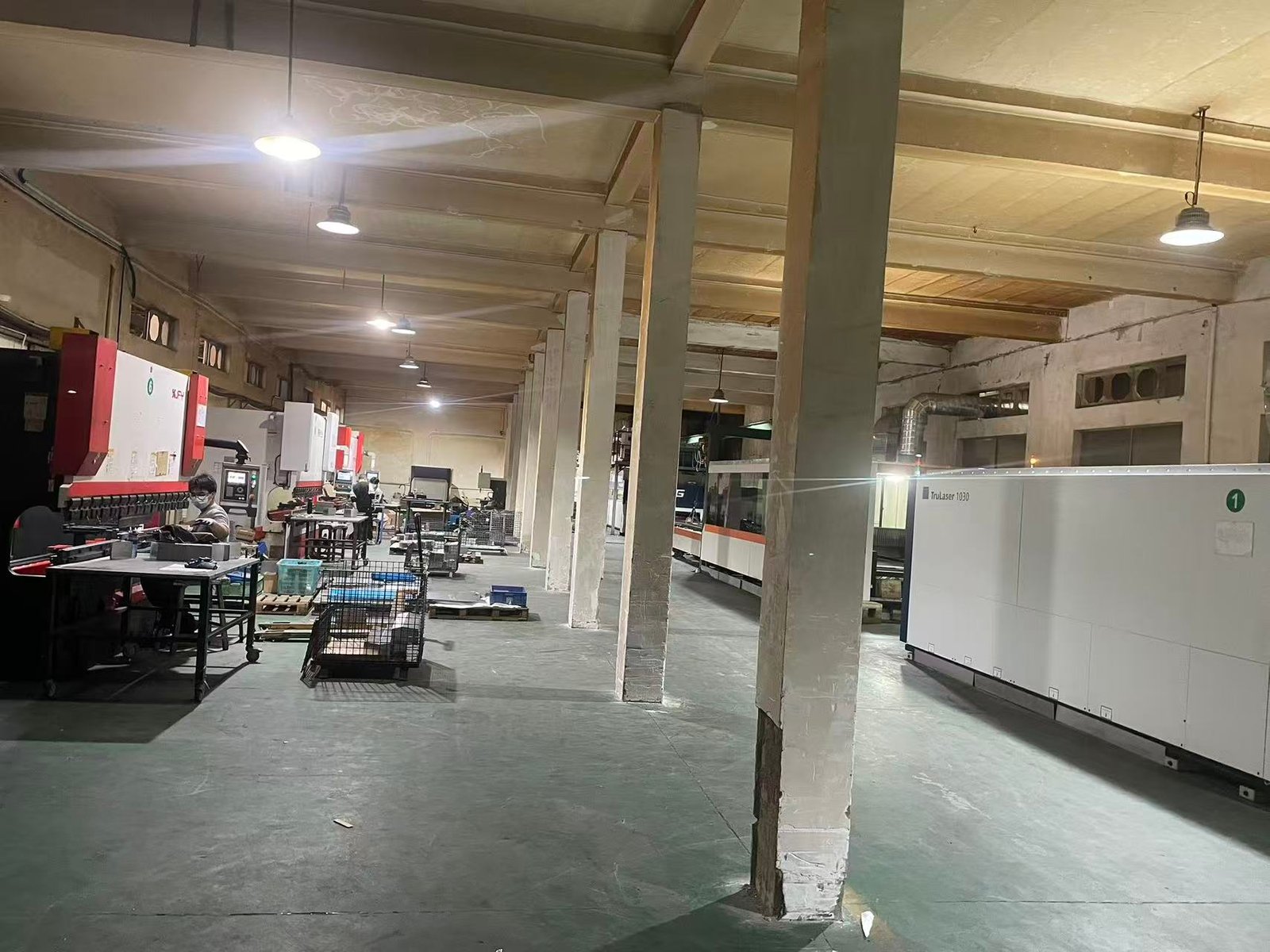
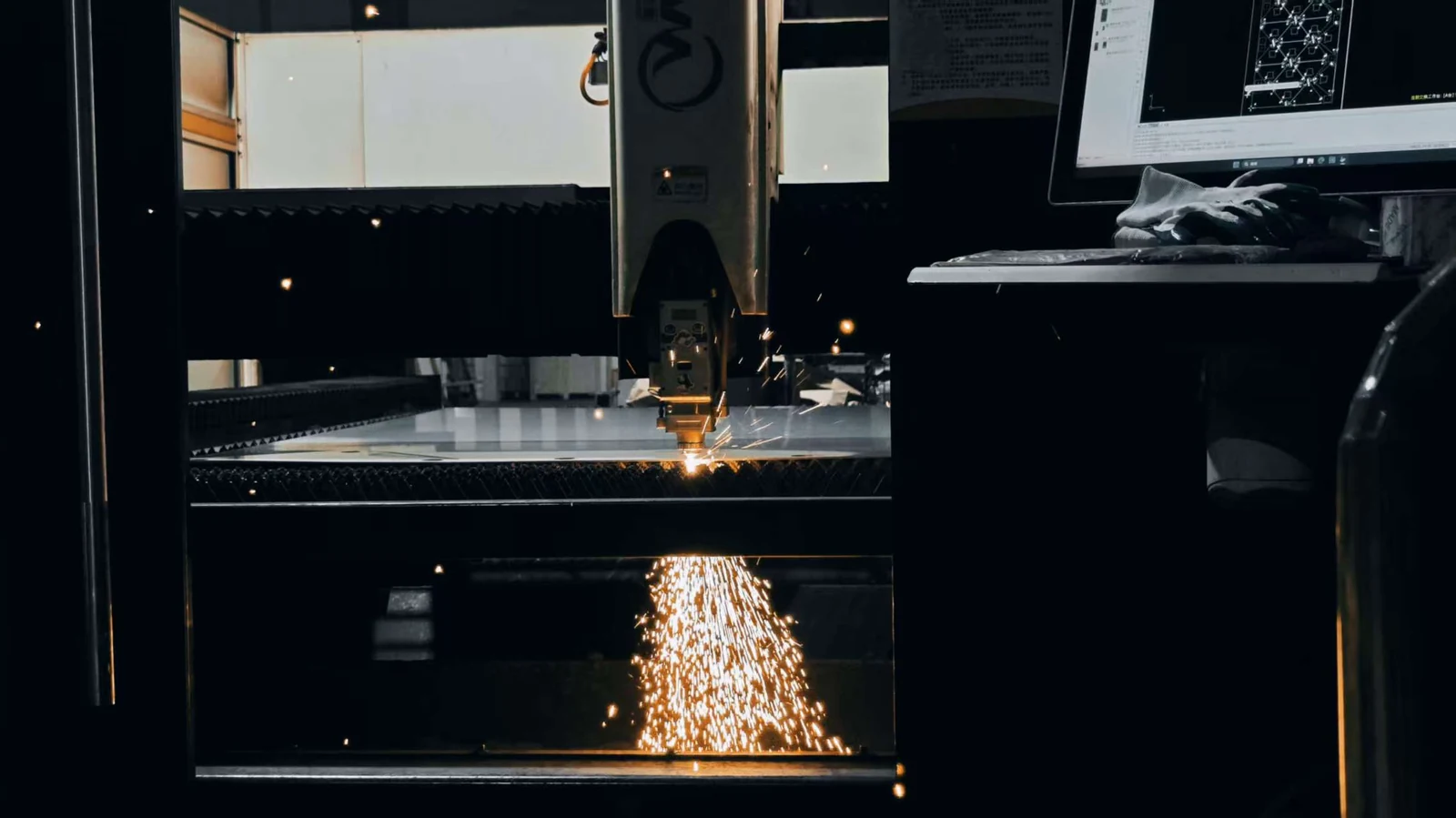
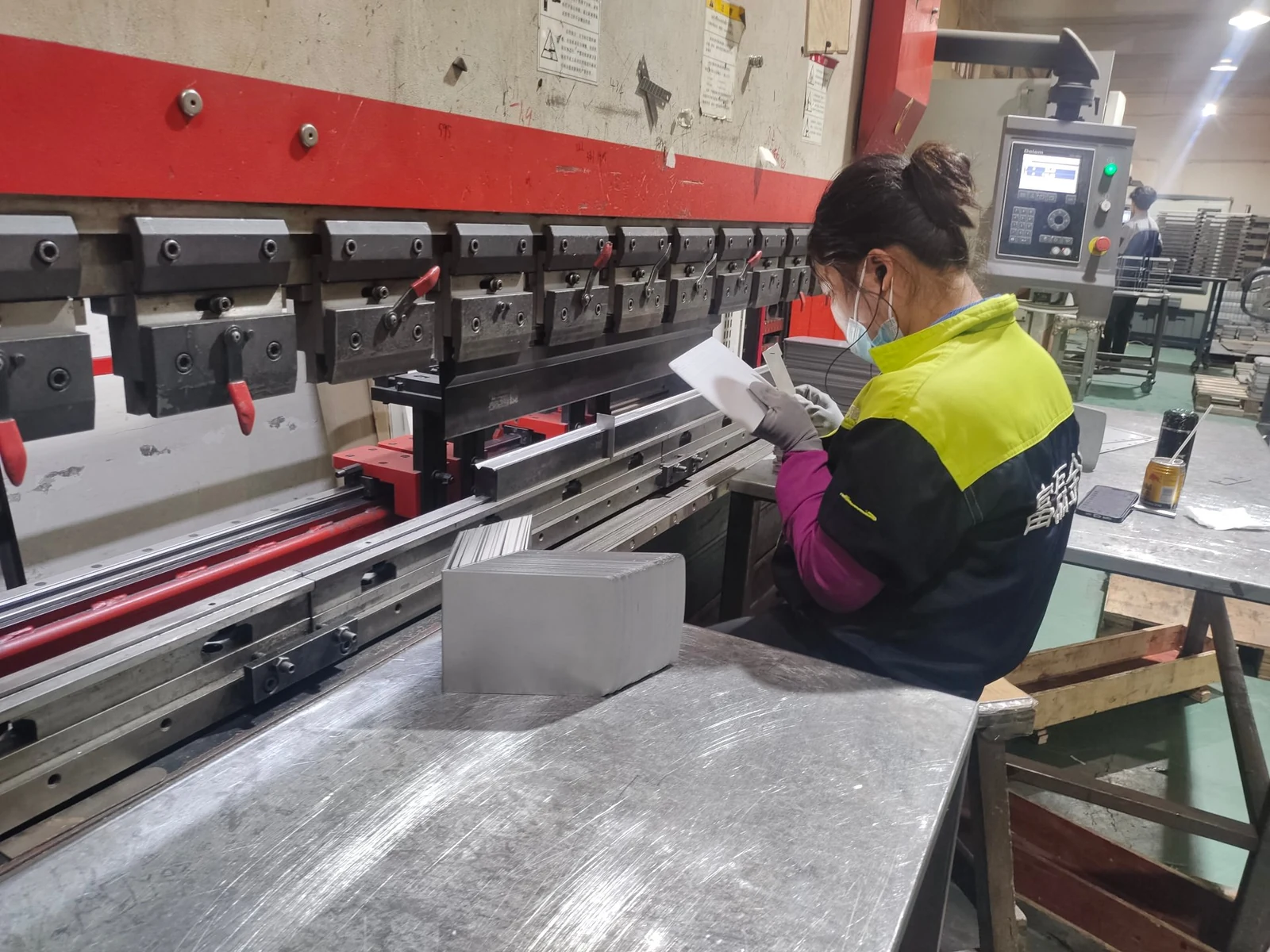
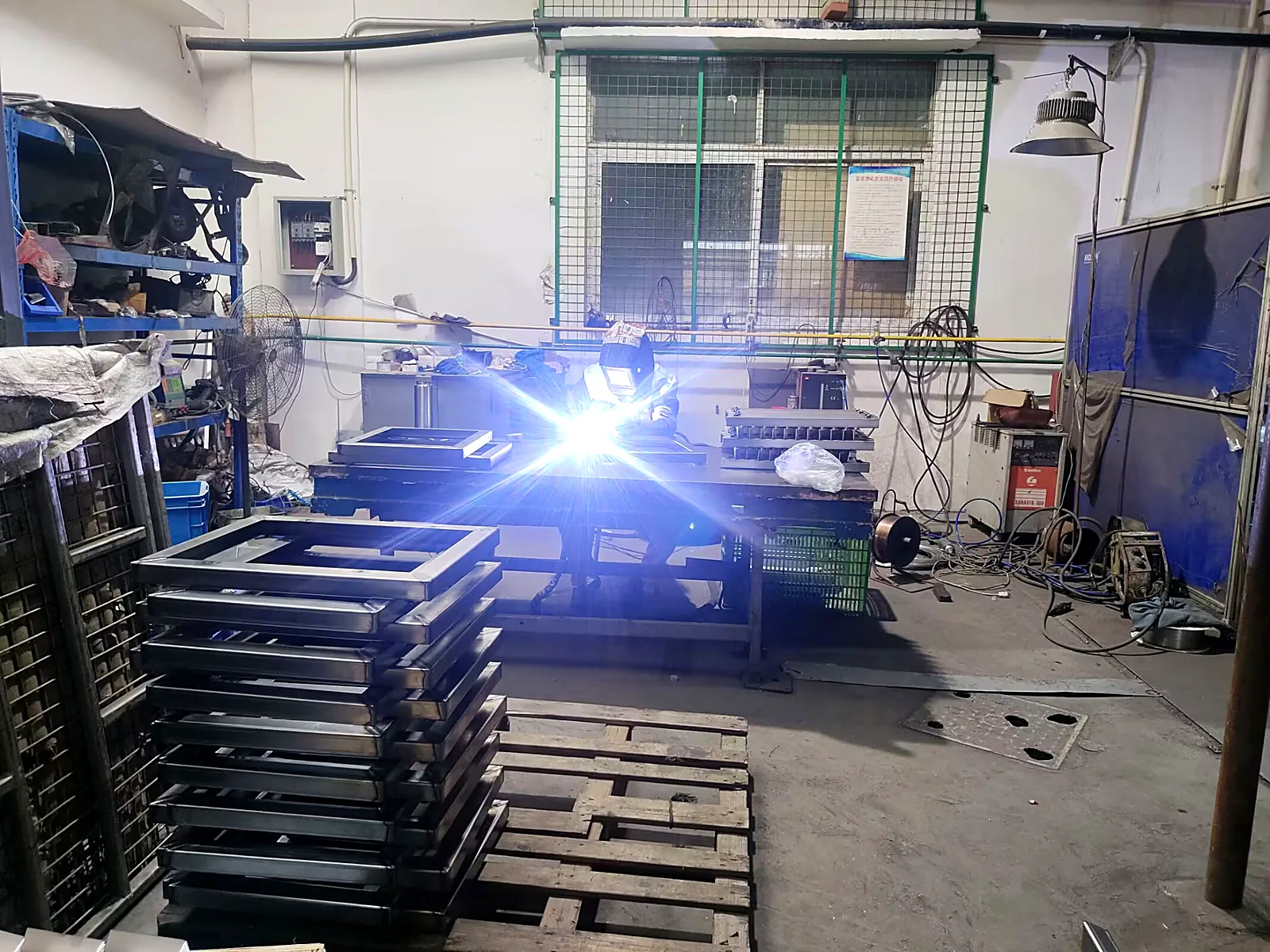
These machines join an existing setup that already includes laser cutting, CNC bending, welding and in-house finishing. Keeping the steps together is what makes a custom order predictable: the drawing does not leave our floor, a change can be made the same day, and a dimension can be traced back to the operation that produced it.
- Faster samples: no time lost shipping material between subcontractors.
- More consistent repeat orders: the same machines, operators and checks each time.
- Earlier problem detection: material and flatness issues are caught before they become scrap.
We Protect Your Design by Default
Many of the parts we make are custom to one customer and are never shown to another. We treat every drawing and design as confidential by default — you do not need to sign a confidentiality agreement to discuss a project. If you do not have a production drawing, we can produce one, but we recommend you supply your own where possible; it is faster and keeps the design under your control. Drawing work is quoted case by case (typically starting around USD 1,000 and ten days or more).
We are an independently audited factory (Bureau Veritas report MIC-ASR263630, dated 2026-10-09). We state what we can verify and do not claim certifications we do not hold.
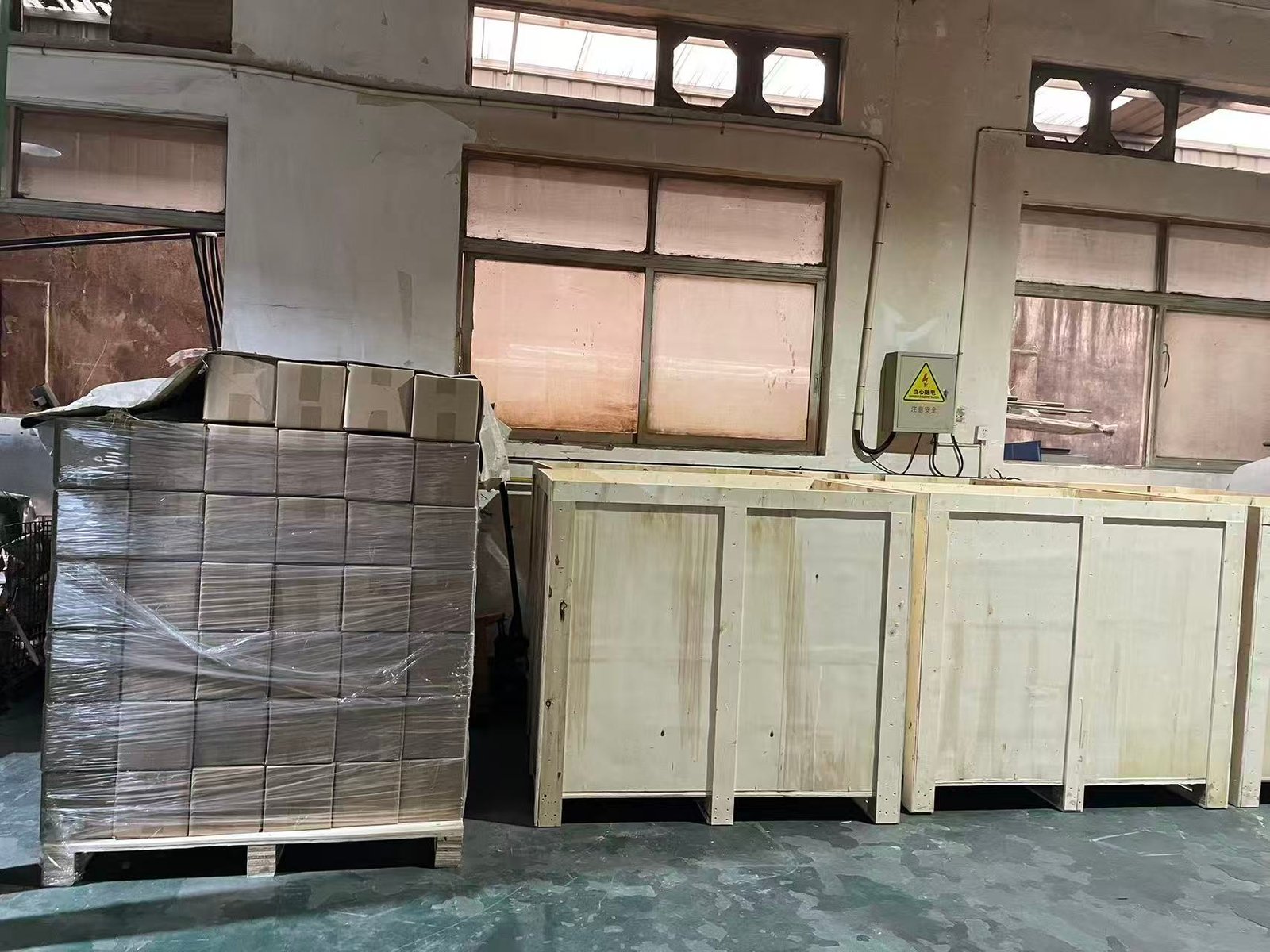
See What the New Setup Can Do for Your Part
The best way to judge a workshop is to send it a real drawing. Tell us what you need through the contact form and we will show you how we would route it through leveling, cutting, bending, joining and inspection — with a sample lead time and a quote.
Who We Are
Doing Metal is the trolley-focused manufacturing site of Ningbo Fulei Metal Products. Founded in 2016, we build custom metal trolleys in our own workshop — from a drawing, a photo or just a clear idea of the job.
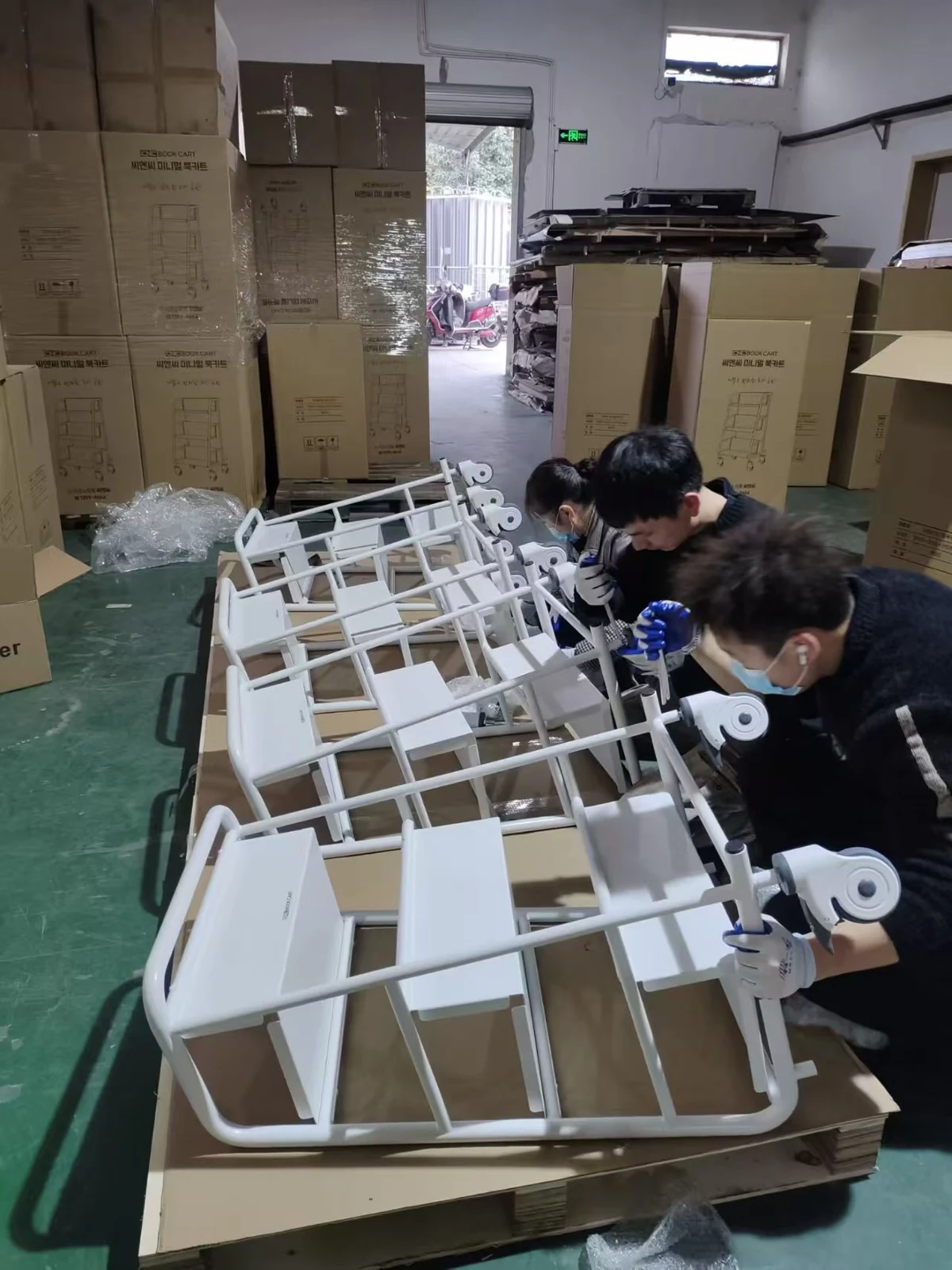
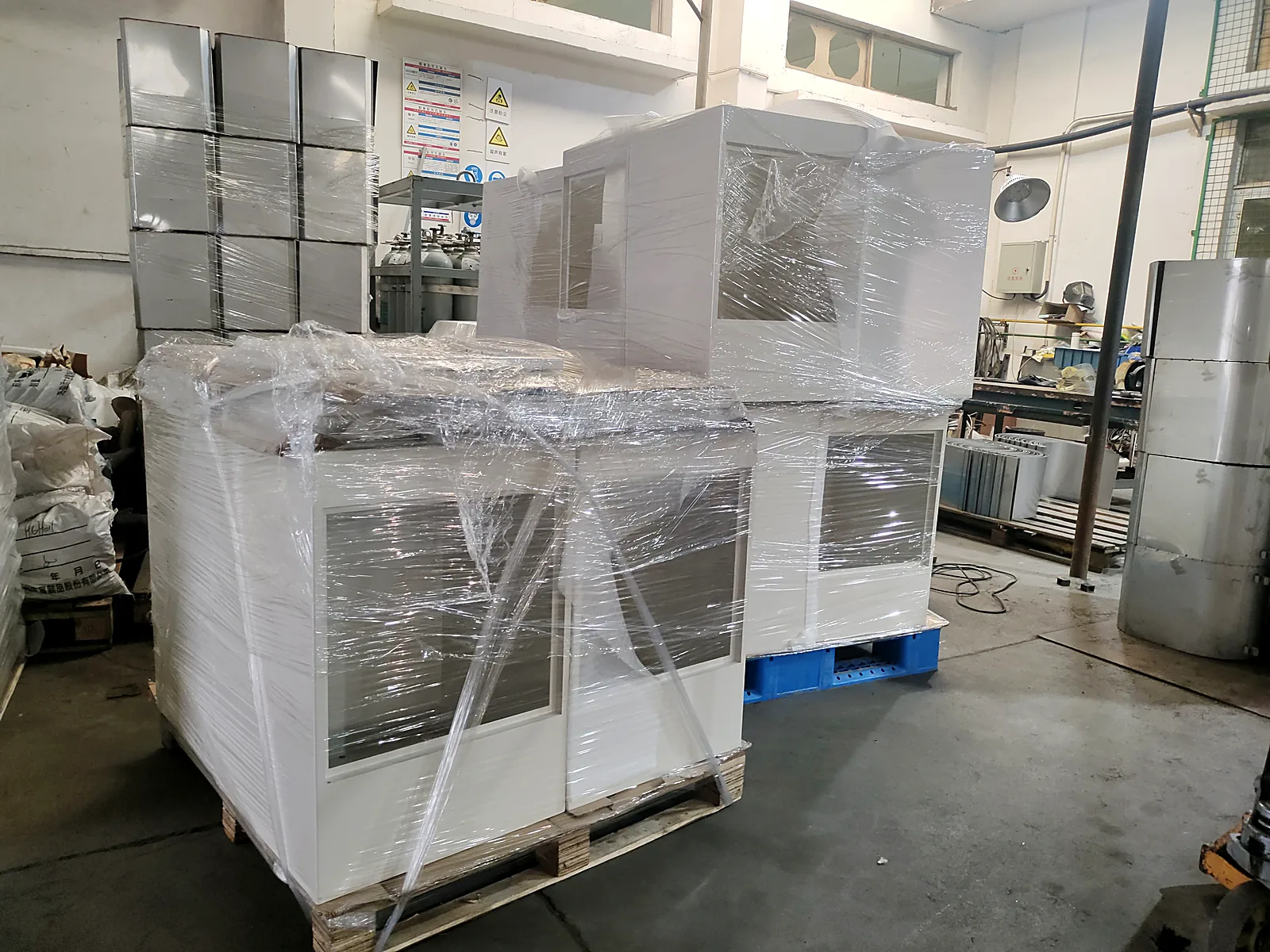
Our Ningbo floor handles the full route in house: laser cutting, CNC bending, welding and riveting, leveling, powder coating, assembly and inspection. One team, one drawing, one accountable partner — from the first sample to a controlled repeat order.
We are an independently audited factory (Bureau Veritas report MIC-ASR263630) and we state our credentials plainly.
Get to know us →Have a Similar Trolley Project? Send It for Review
Send your trolley type, load capacity, size, wheel requirement, quantity, and drawings or reference photos. Our team will review the structure and reply within 24 hours on business days.
Urgent project? Email gao@doingmetal.com or WhatsApp +86 18158549983.