
September 22, 2026
How to Read a Custom Trolley Quotation | Doing Metal
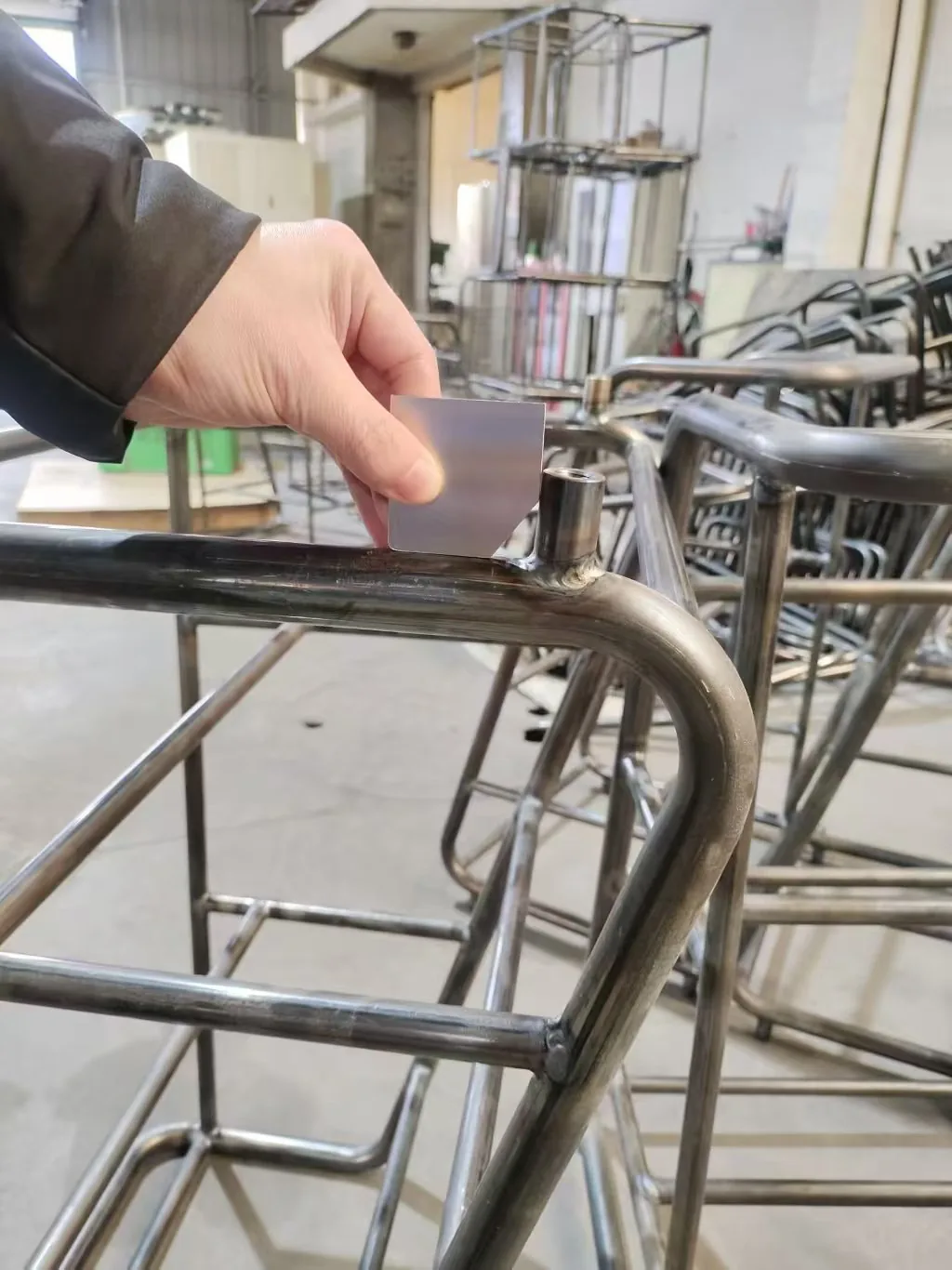
The cheapest quotation is rarely the cheapest cart. On built-to-drawing work, two suppliers can quote the same photograph and mean different material, different wheels and different packing. Learning to read a quotation properly is the fastest way to avoid paying twice.
Start with what is actually specified
Before comparing numbers, check that both quotes describe the same product. Look for:
- Material and grade. Cold-rolled steel, stainless 304 or 316, aluminium – each has a different price and a different service life.
- Section sizes. Tube diameter and wall thickness, plate thickness. “Steel frame” is not a specification.
- Caster specification. Diameter, tread material, bearing type, brake type, and the load rating per wheel rather than per cart.
- Finish. Pretreatment, coating type, thickness, colour reference.
- Load rating and the condition it applies to. Evenly distributed or concentrated, static or moving.
If any of these are missing, the quote is not comparable – it is an estimate with assumptions you have not seen.
The lines buyers forget to compare
Scope differences usually live outside the unit price:
- Packing. Included, or a separate line? Carton, pallet, crate, or bulk?
- Tooling or setup. Charged once, amortised into units, or hidden?
- Samples. Priced separately, and is the cost credited against the batch?
- Documentation. Inspection reports and certificates included, or extra?
- Spares. Wheels and brakes priced, or assumed?
- Validity. How long the price holds, and what happens to material cost movement.
Reading the assumptions behind the price
A good quotation tells you what it assumed. If it does not, ask. The most important assumptions to surface:
- Quantity the price is based on, and the price at your real quantity
- Whether the price includes the drawing revision you last sent
- Lead time, and whether it starts at order confirmation or drawing approval
- Whether the schedule assumes a specific finish slot that could move
- Whether freight is included, and under which term
Most disputes on custom work come from an assumption nobody wrote down, not from a deliberate omission.
A simple comparison method
When two quotes look nothing alike, put them on the same sheet:
- Write the specification you require, in your own words, with numbers
- Mark each quote against it: matches, exceeds, or silent
- For anything silent, ask the supplier to confirm in writing
- Add packing, tooling, documentation, spares and freight to each unit price
- Convert to landed cost per usable cart in your currency
- Only then compare
This takes an hour and regularly changes which quote wins.
When a higher price is the better decision
Sometimes the more expensive quote is correct:
- When it specifies a wheel that suits your floor and the cheaper one does not
- When it includes inspection documentation you will need for your own quality system
- When it uses a heavier section at the load point where your carts actually fail
- When it includes packing that will stop finish damage on a long voyage
- When the supplier asked about your route, which means the specification was considered rather than copied
Red flags in a quotation
Things that are worth a question rather than a signature:
- A price that does not state material, section sizes or caster specification
- No mention of packing, or packing listed as “standard” without detail
- A lead time that starts at order rather than at drawing approval
- No validity period, or a price that changes with material cost without notice
- Questions never asked about route, floor or load distribution, which usually means the specification was copied rather than considered
Negotiating without damaging the product
The safest savings leave the specification alone:
- Adjust quantity bands and consolidate shipments
- Standardise finish colours and fastener sizes
- Flex the delivery window where your schedule allows
- Order spares in the same container rather than separately
- Reduce documentation to what you will actually use
What not to cut: wheel specification, wall thickness at load points, and packing. Those three account for most long-term cost on a cart programme.
Frequently asked questions
Why do quotes differ so much for the same cart?
Usually because of unspecified details: wall thickness, wheel specification, finish system and packing. Ask each supplier to state those four and the gap normally narrows or becomes justified.
Should I send my drawing to many suppliers at once?
A shortlist of two or three is realistic and keeps quality of response high. Sending the same drawing to ten suppliers usually produces ten estimates rather than three quotations.
Can you review a quote we already have?
We can review the specification behind it and tell you where the assumptions sit. Send the drawing and the quote and we will be direct about whether it is comparable.
What makes a quote fast?
Complete information. See the RFQ checklist for the package that gets answered in one round.
Send your drawing and any competing quote through the contact page for a straight comparison.
Have a Similar Trolley Project? Send It for Review
Send your trolley type, load capacity, size, wheel requirement, quantity, and drawings or reference photos. Our team will review the structure and reply within 24 hours on business days.
Urgent project? Email gao@doingmetal.com or WhatsApp +86 18158549983.