
November 2, 2026
Building a Care-Home Medicine Trolley
When a care-home operator in Northern Europe first contacted us, they did not send a drawing. They sent a photograph of a medicine trolley they had seen in another facility, plus a short list of what their nurses actually needed: a locked cabinet on wheels, a few adjustable shelves, surfaces that wipe clean, and casters that would not scuff the floor. That is a common starting point for us. Most buyers outside an engineering department do not arrive with CAD files – they arrive with a problem and a reference picture. Our job is to convert that into a production trolley that meets the spec and ships on schedule.
- Load rating built to 80-1,000 kg by frame design; a care-home medicine trolley typically lands in the 120-200 kg range.
- Frame tube: O20-50 mm outer diameter, wall 1.2-3.0 mm; deck and side panels in plate 0.8-3.0 mm.
- Casters: 75-200 mm diameter in PU, rubber, nylon or pneumatic; heavy-duty swivel with brakes for clinical floors.
- Business terms: MOQ 50 units, sample in 7-15 days, mass production 25-35 days, tooling and fixtures quoted separately.
- Engineering service: we recommend you supply your own drawings. Where we produce them, the work normally starts from USD 1,000 and takes 10 days or more; complex products can take six months to a year. Quoted case by case before we start (PDF dimension drawing + rendered view only, no CAD source released).
- Certification: we hold a Bureau Veritas factory audit, report MIC-ASR263630 (2026-10-09). We cannot provide ISO 9001, CE, UKCA, UL, EN 1090, ISO 3834 or EN 10204 3.1 in our name, and we issue no food-contact statement.
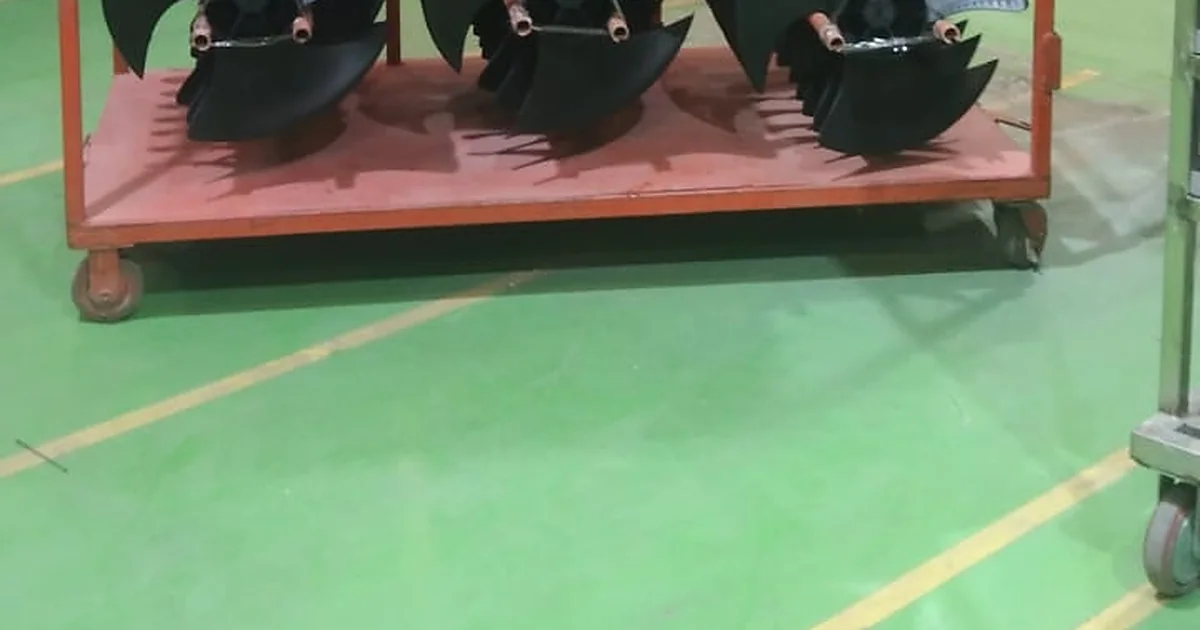
A trolley base, deck and casters built in our Ningbo workshop.
Start from the workflow, not the drawing
The first step is never to guess dimensions. We ask how the trolley will be used hour to hour: how many staff push it, how wide the doorways are, whether it rides in a lift, and what has to be secured. A medicine trolley in a care home is moved several times a day between a storage room and resident rooms, so push height, turn circle and brake behaviour matter more than raw capacity. From a single photo we can already read a great deal – the number of shelves, the door style, the caster type – and that gives us a basis to propose a frame.
Material choice: stainless or coated steel
For a stainless build we default to grade 304, with 316 available on request where a more aggressive cleaner is used. Stainless is the right call when the trolley is wiped down frequently and must stay presentable; see our notes on the stainless-steel trolley range for typical frame and finish choices. Where budget is tighter and the environment is dry, a powder-coated carbon-steel frame achieves the same geometry at lower cost, with the 60-80 um coating standing up to daily cleaning.
Turning a reference photo into a dimensioned design
Because the buyer had no drawing, we produced the first concept ourselves. We modelled a welded steel frame using square or round tube in the O20-50 mm range with 1.2-3.0 mm walls, then added a cabinet body in 0.8-3.0 mm plate. Double doors with a simple lock, three adjustable shelves on slot-in brackets, and four swivel casters – at least two with brakes – completed the base layout. Powder coating was specified at 60-80 um film thickness, a durable finish that resists the repeated wiping these trolleys receive.
This is the kind of work described on our engineering service page: when you bring a concept or a photo, we can return a dimensioned PDF and a rendered view you can show your team, without releasing any CAD source file. It is neither free nor quick — drawing work normally starts from USD 1,000, takes 10 days or more, and complex products can take six months to a year. The fee is quoted case by case before we begin. Our recommendation is to have the drawing made on your side first.
Shelves, doors and the details that decide if it works
A medicine trolley fails in the details. Shelves that bow under load frustrate staff and risk spills, so we size the plate and support spacing to the expected weight per shelf, not just the total. Doors need a latch a nurse can operate with one hand while the trolley is moving. Casters need to roll quietly and brake firmly at the bedside. None of this appears in a reference photo, which is why we walk the buyer through a short checklist rather than simply copying what they sent.
Casters: the part you actually feel
Of every component, the casters are what staff notice first. For clinical floors we recommend PU or rubber tyres in the 100-125 mm range, with swivel mounts and at least two brakes, so the trolley stays put when medication is being handled. A 75 mm wheel is fine for light, smooth surfaces; a 200 mm pneumatic wheel belongs on rough or outdoor routes. Choosing the right caster is less about the catalogue and more about the building the trolley lives in.
What we can and cannot certify
Care buyers often ask for a hygiene or medical certificate up front. We are transparent about our limits: our only third-party factory credential is the Bureau Veritas audit MIC-ASR263630 dated 2026-10-09. We do not hold ISO 9001, CE, UKCA, UL, EN 1090 or ISO 3834, and we cannot issue EN 10204 3.1 material certificates in our name. Our position on traceability and the documentation we do provide is laid out on the certificates and traceability page, so buyers can plan their own compliance around it.
From approval to shipment
Once the PDF and render are approved, we build a sample – usually within 7-15 days – and ship it for hands-on evaluation. Production of 50 or more units then runs 25-35 days. Because the frame is welded and the body is folded from plate, tooling is minimal; where a custom bracket or fixture is needed we quote it separately rather than hiding it in the unit price. The result is a trolley that started as a single photograph and ended as a documented, repeatable product.
If your team has a trolley need that exists only as a picture or a sentence, that is normal. Send what you have and we will return a drawing you can act on.
Have a Similar Trolley Project? Send It for Review
Send your trolley type, load capacity, size, wheel requirement, quantity, and drawings or reference photos. Our team will review the structure and reply within 24 hours on business days.
Urgent project? Email gao@doingmetal.com or WhatsApp +86 18158549983.