A trolley may look simple, but precision sheet metal fabrication decides many downstream problems. If wheel plate holes are off, casters do not align. If shelf blanks are not consistent, bending and welding fixtures become harder to control. If cut edges remain sharp, the finished trolley is less safe to handle and powder coating can look poor around corners.
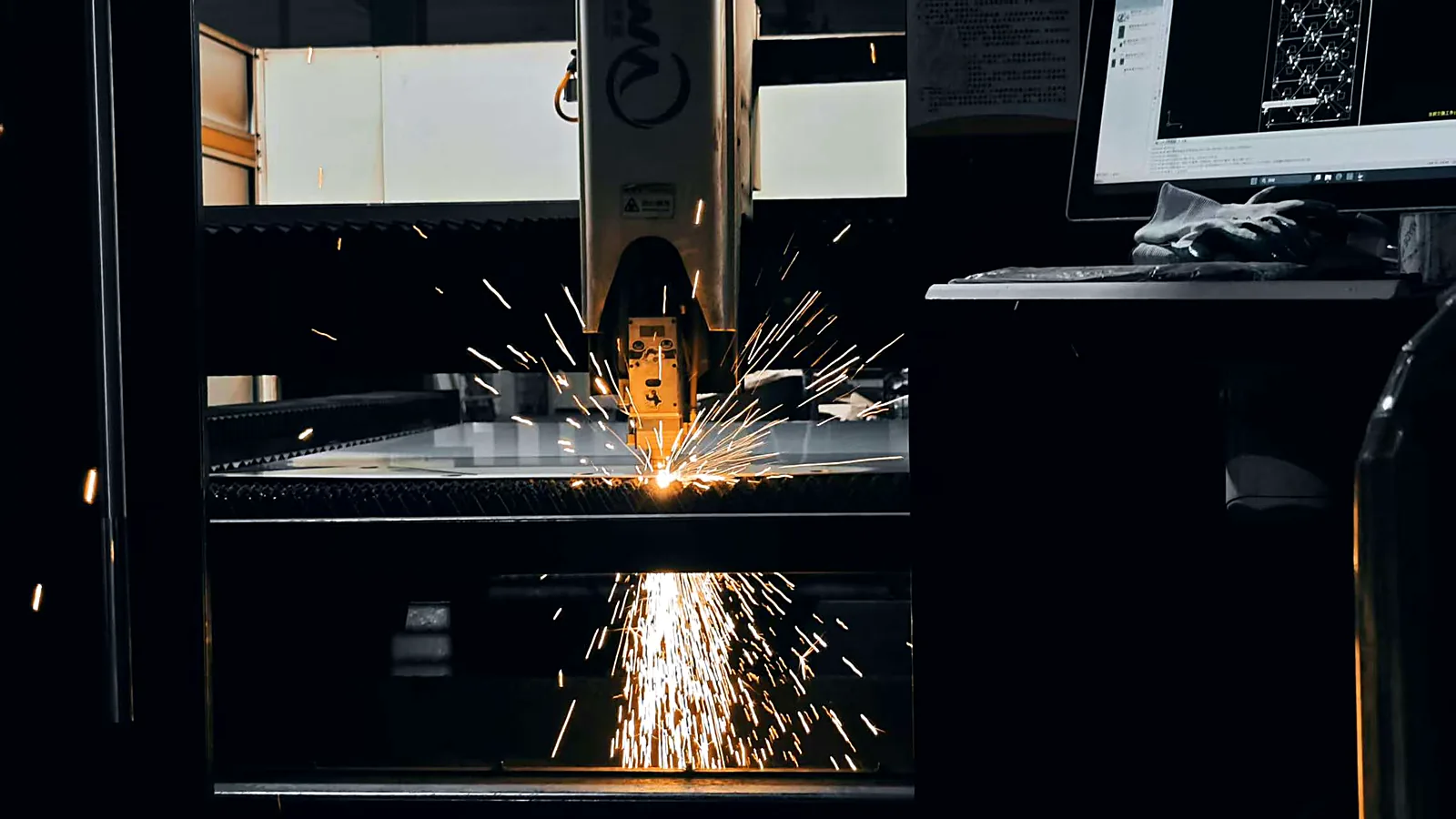
The 2024 audit report recorded two laser cutting machines. Fulei Metal added a TRUMPF laser cutting machine in June 2026. The current model, working envelope, material thickness limit and achievable tolerance are confirmed against the selected machine, material grade, part size, hole geometry, edge requirement and downstream bending, welding or coating process.
For custom trolley buyers, laser cutting is useful when the product needs accurate holes, slots, tabs, mounting plates, logo plates, ventilation patterns, lightening cutouts or repeated parts across a production batch. It also helps prototypes move faster because no hard tooling is required for the first flat blanks.