Application Map
Find the Page That Matches Your Daily Handling Problem
Each page is organized for an engineering or purchasing conversation: what is difficult today, what the cart needs to do, which options matter and what to send for quotation.
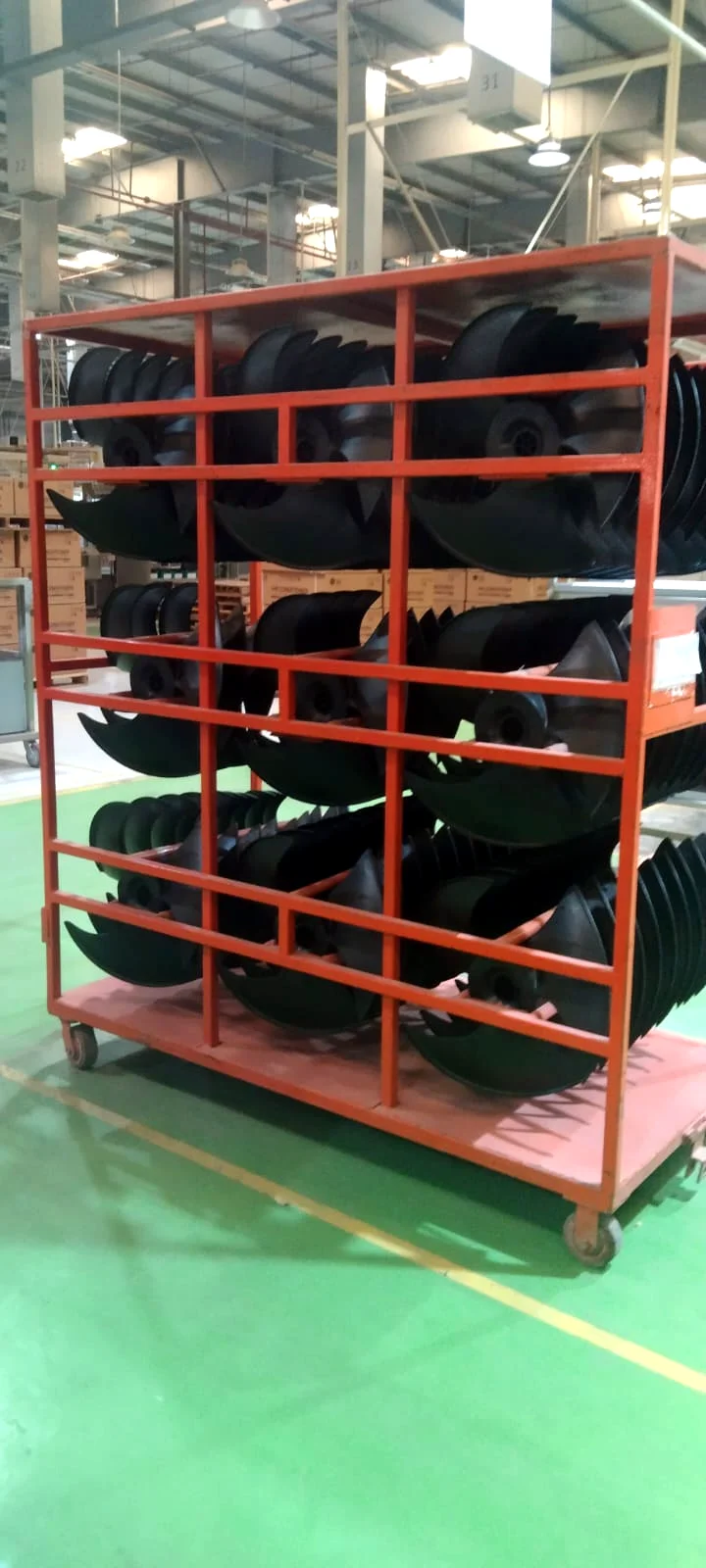
Warehouse & Logistics
Common pain: Long routes, narrow aisles, mixed cartons and repeated pushing make standard carts slow or unstable.
Design direction: Match shelf or deck layout, caster direction, brake position, handle, load class and packing to the warehouse route.
Open Warehouse & Logistics guide
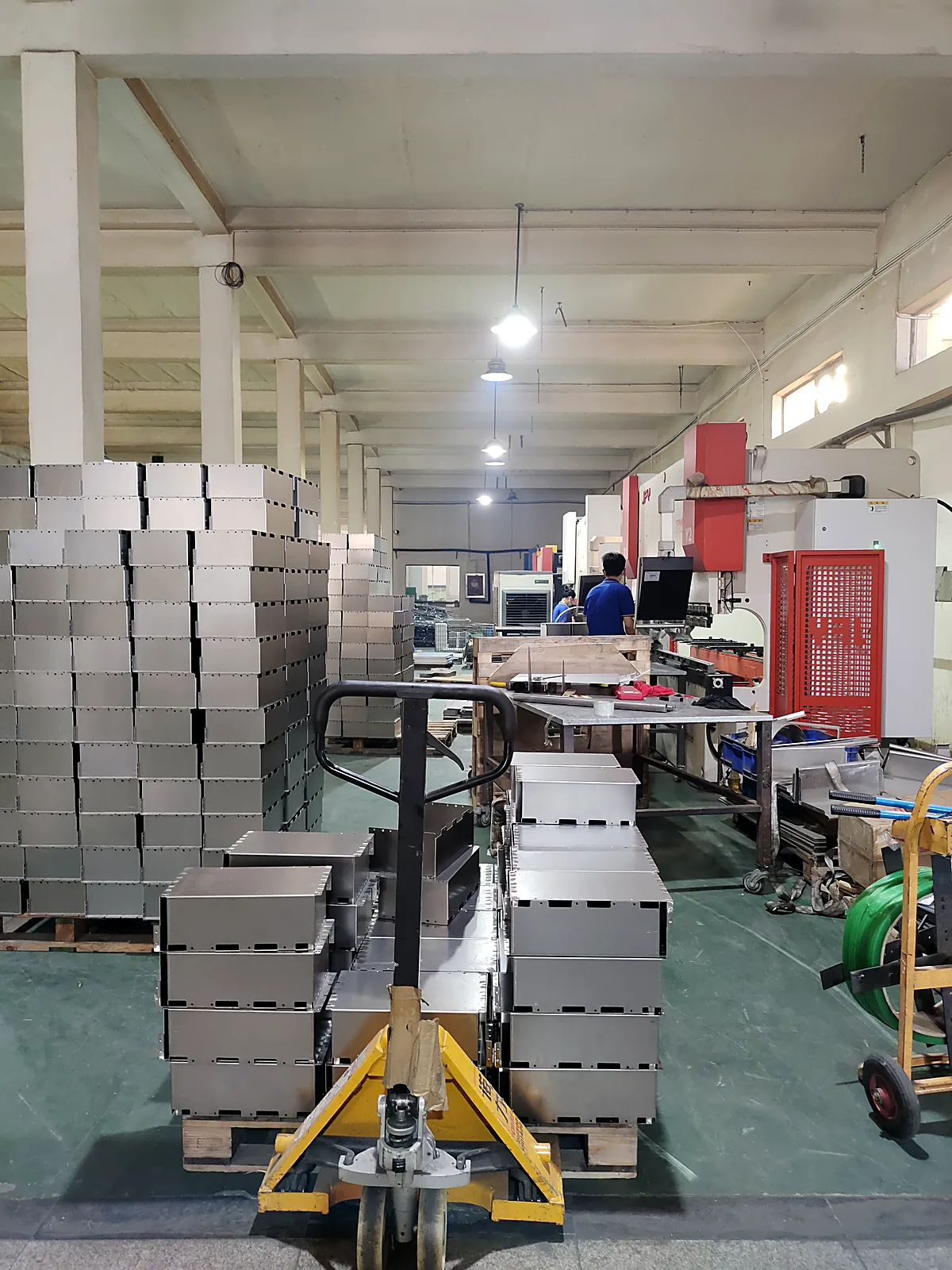
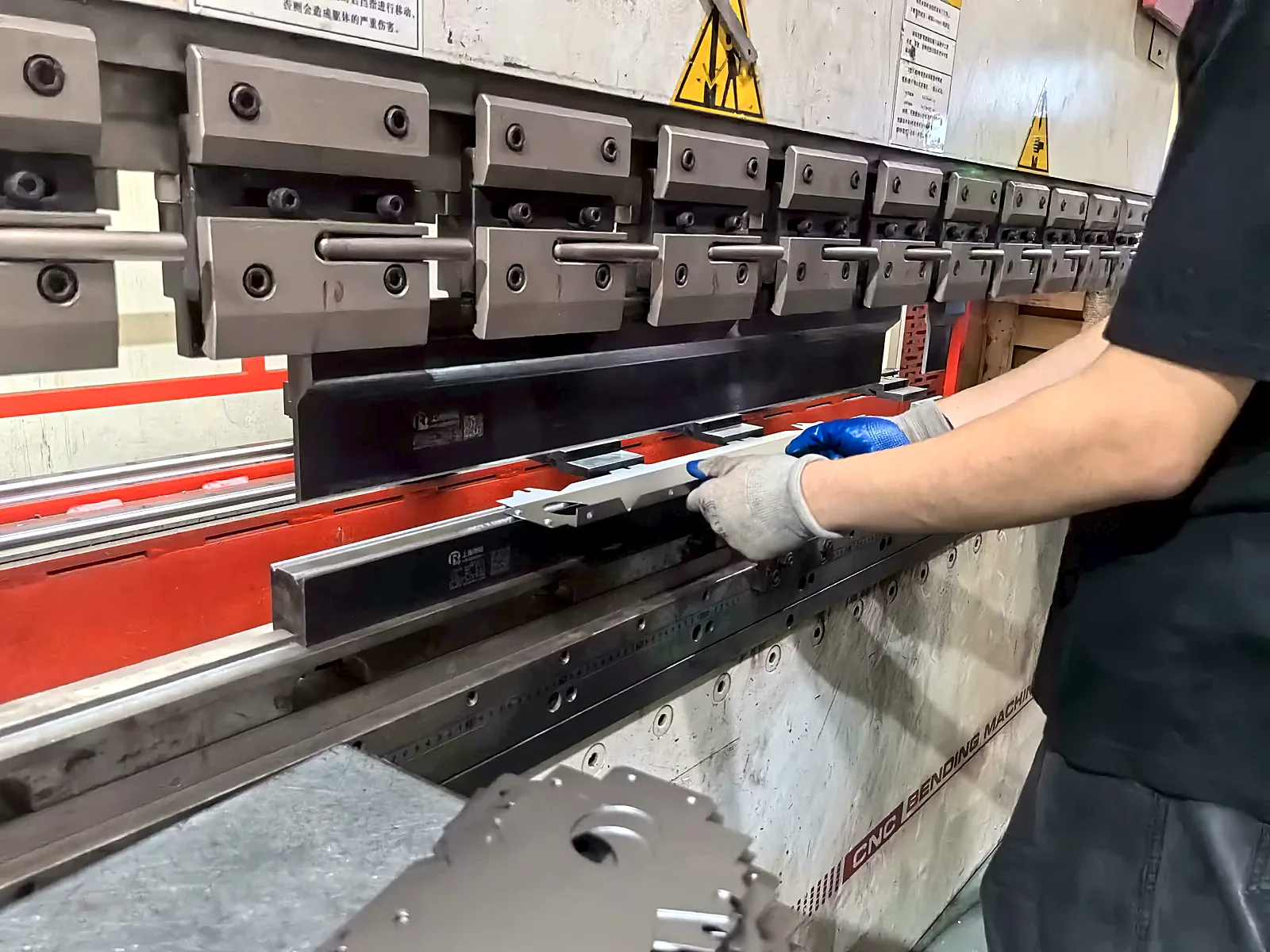
Manufacturing Workshops
Common pain: Tools, WIP parts and maintenance kits become difficult to find, move and protect at the line side.
Design direction: Use trays, drawers, pegboards, dividers, anti-slip surfaces and a frame sized for the real parts and operator route.
Open Manufacturing Workshops guide
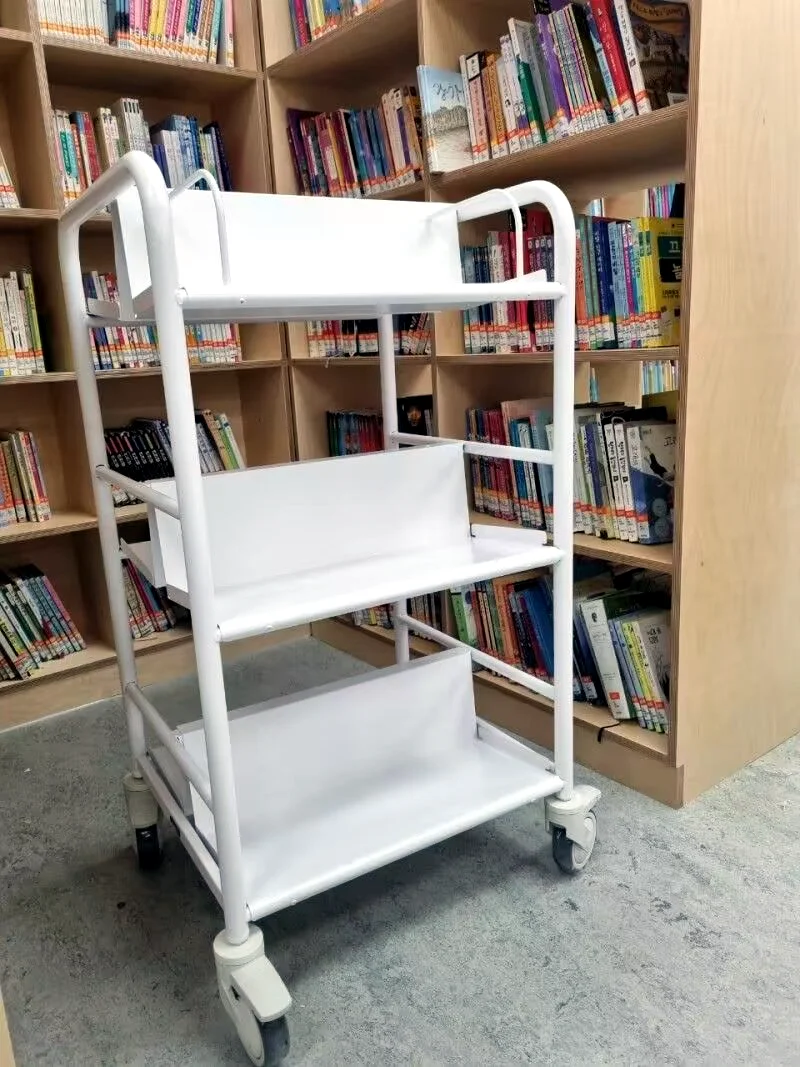
Library & Education
Common pain: Noise, sharp edges, unstable books and poor turning make a trolley unsuitable for public spaces.
Design direction: Review shelf angle, shelf lips, quiet casters, smooth edges, compact dimensions, finish and color.
Open Library & Education guide
Film & TV Production
Common pain: Camera, lighting, cable and case sizes change constantly, while equipment must remain protected and easy to reach.
Design direction: Build the shelves, dividers, rail guards, cable hooks, padded zones, wheel system and brake layout around the equipment list.
Open Film & TV Production guide
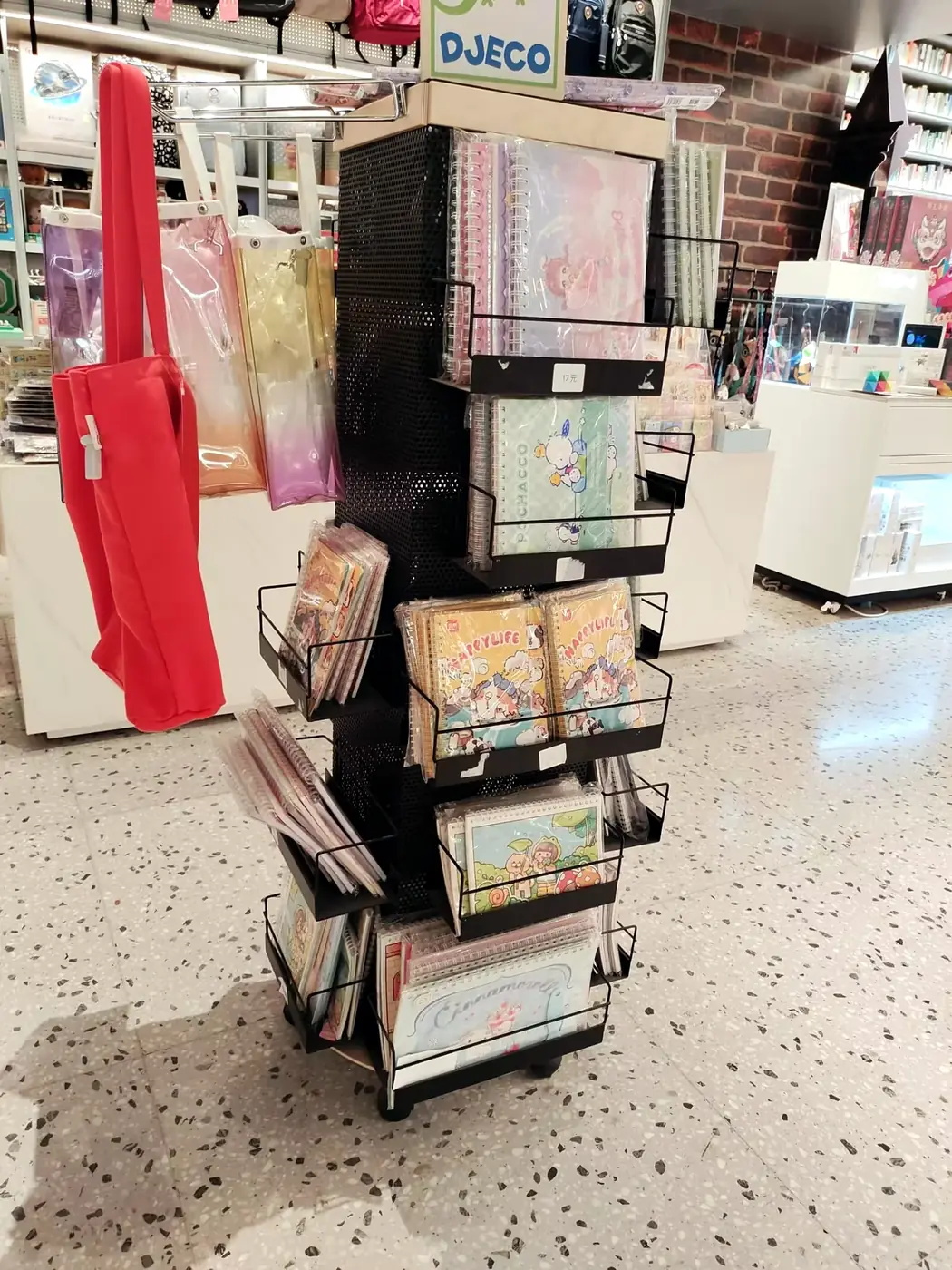
Retail & Commercial
Common pain: Backroom stock and replenishment work needs visible containment, easy loading and a clean customer-facing appearance.
Design direction: Select cage or shelf structure, door access, labels, wheel noise, finish, logo and nested or knock-down packing.
Open Retail & Commercial guide
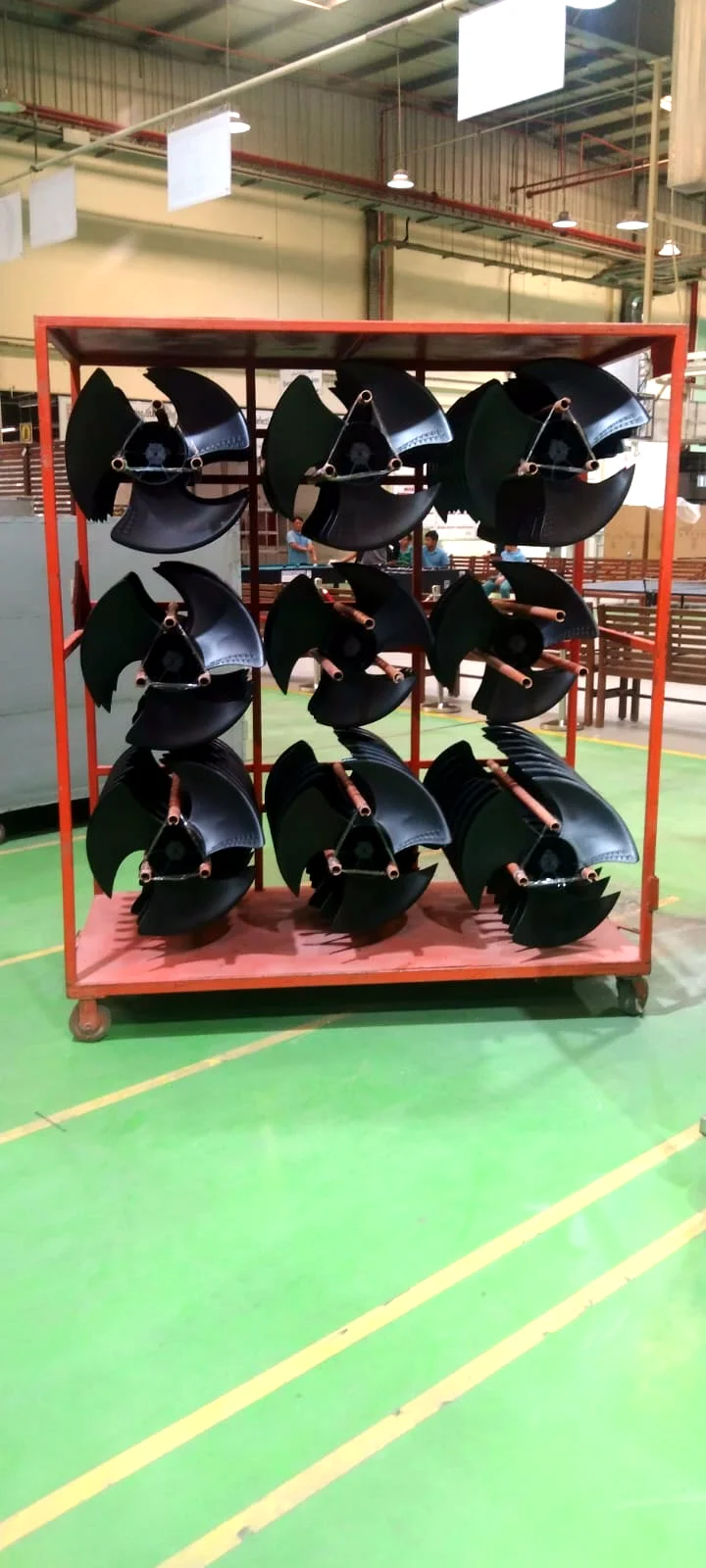
Livestock & Agriculture
Common pain: Rough floors, feed or equipment impact, moisture and frequent cleaning expose weak frames and unsuitable finishes.
Design direction: Discuss cage or platform structure, corrosion protection, cleanable geometry, wheel clearance, load distribution and outdoor handling.
Open Livestock & Agriculture guide
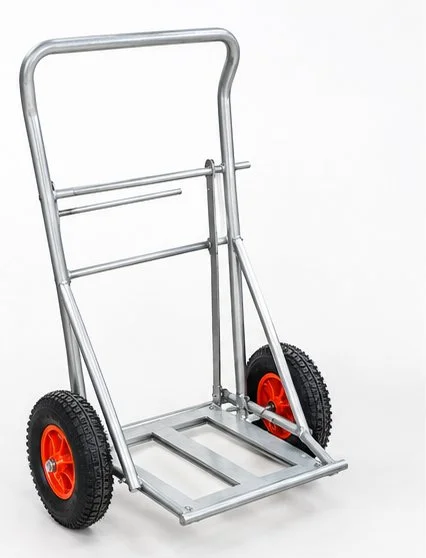
Construction & Maintenance
Common pain: Tools and parts move over thresholds, uneven floors and changing work areas where small wheels or weak handles fail.
Design direction: Review larger wheels, handle geometry, platform reinforcement, brakes, corrosion protection and safe packing.
Open Construction & Maintenance guide
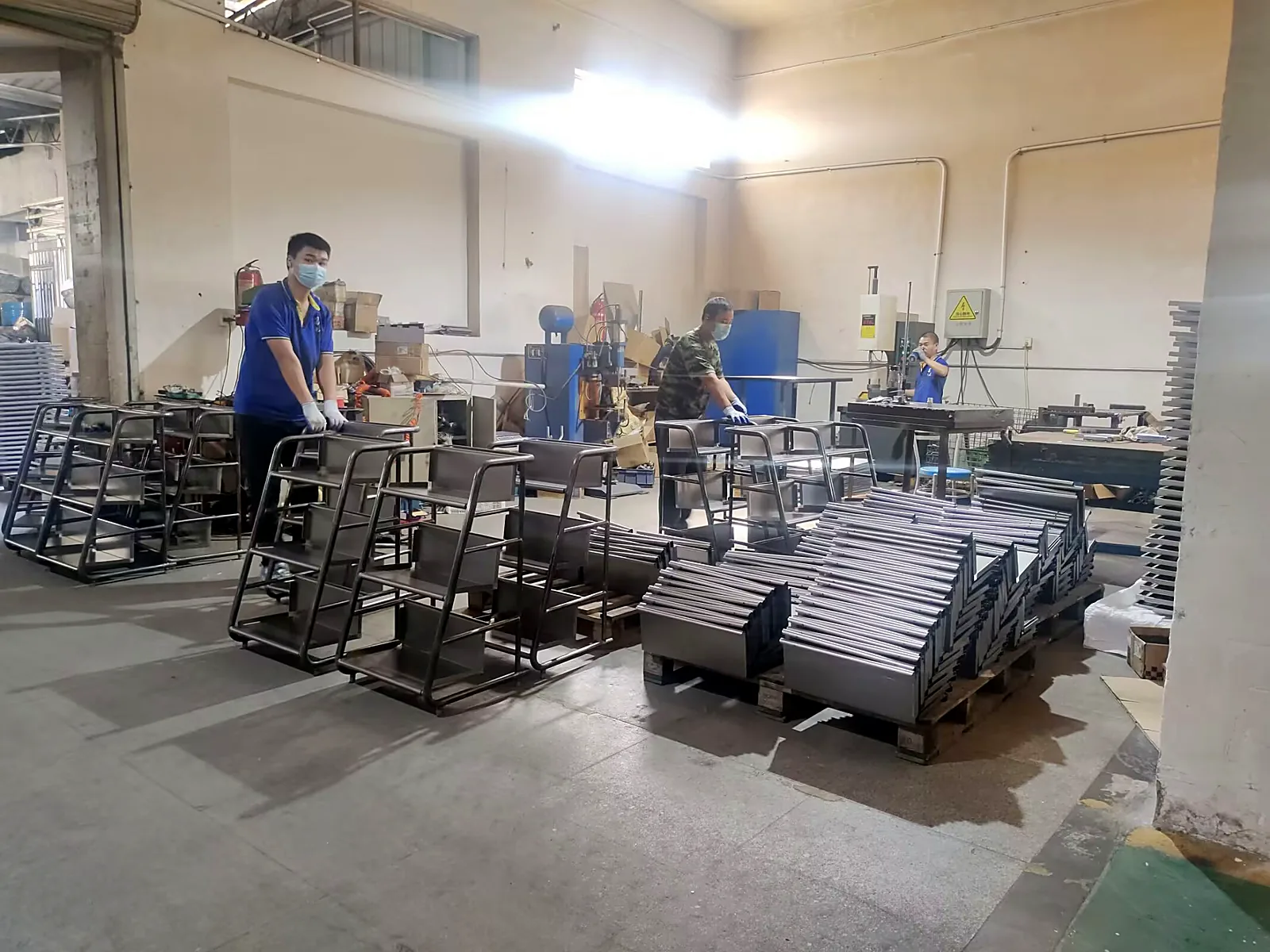
Automotive & Transportation
Common pain: Parts, bins and tools must arrive at the right station without damage, awkward lifting or wasted walking.
Design direction: Design around WIP containers, line-side access, part protection, caster load, ergonomic handle height and repeatable packing.
Open Automotive & Transportation guide